

 EN
EN  عربى
عربى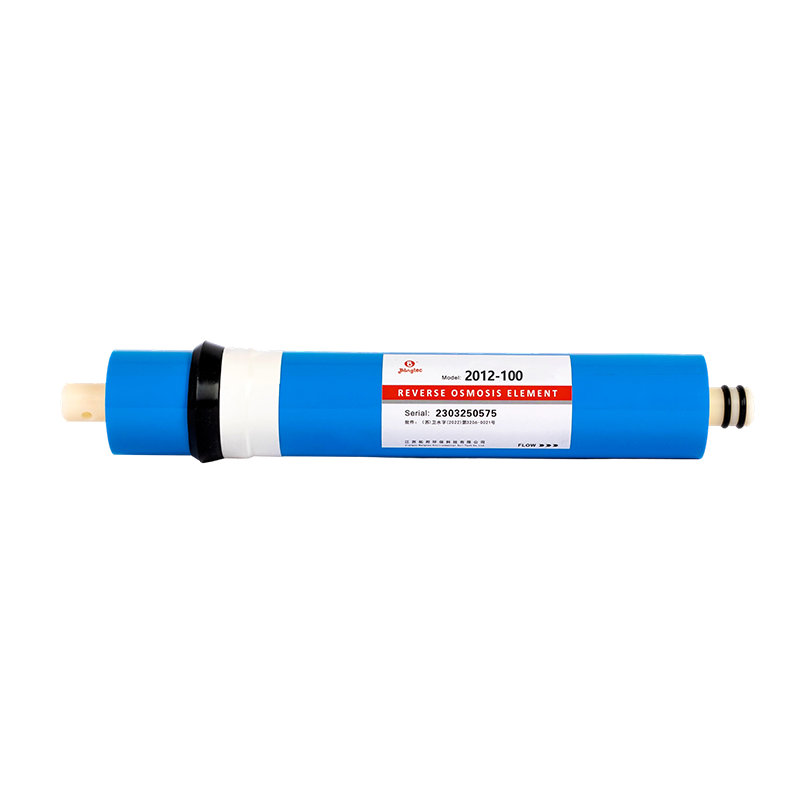

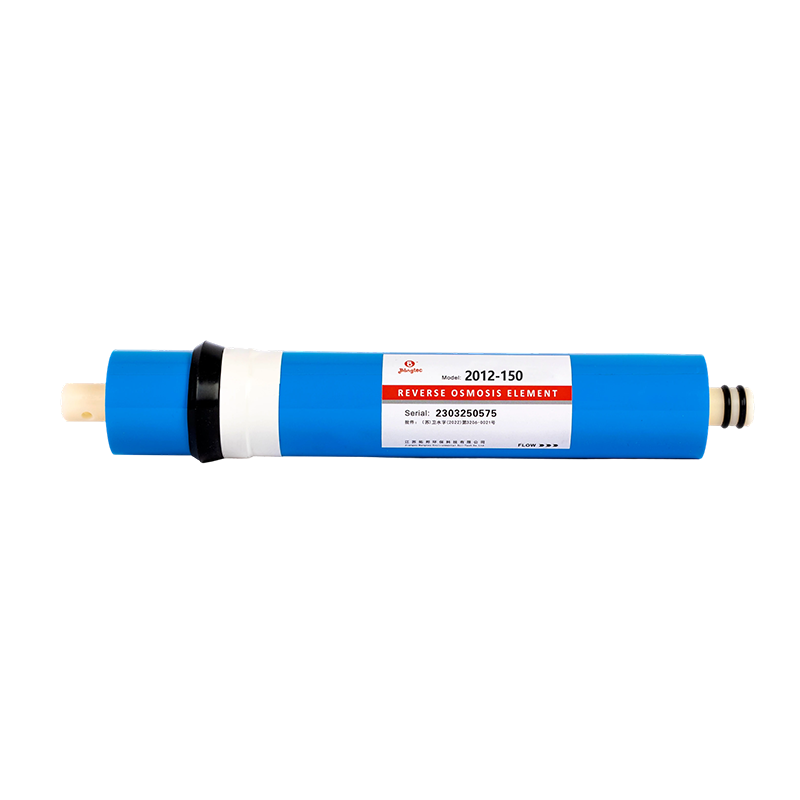
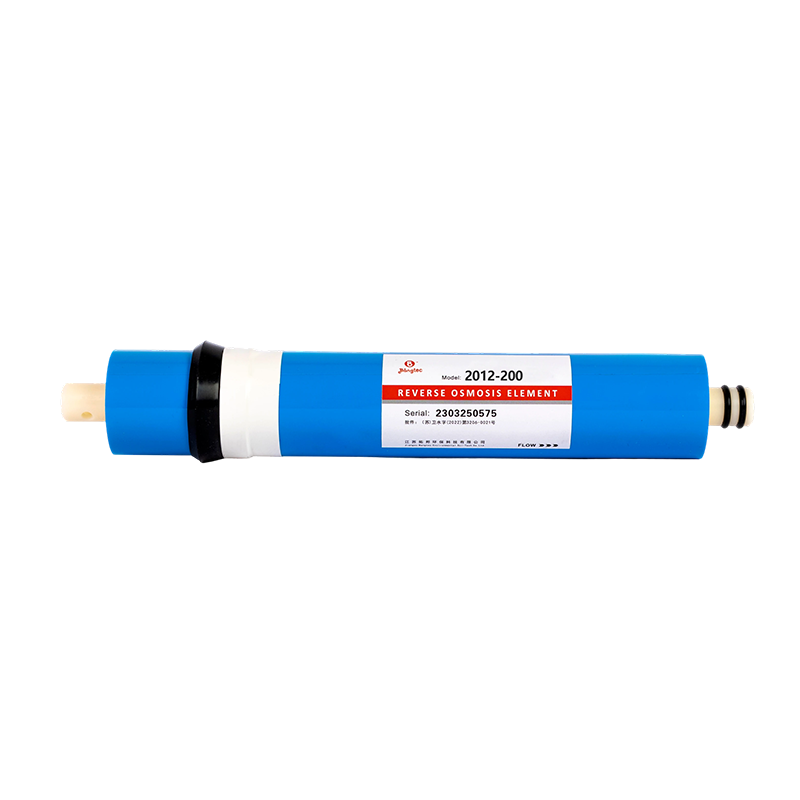
Domestic RO Membrane 2012 is one of the most widely adopted membrane element specifications in the water purifier industry. With a diameter of 2.0 inches and a length of 12 inches, it fits standard 2012 membrane housings. This model covers multiple production capacities including 50GPD, 75GPD, and 100GPD, meeting the water purification needs of various household scenarios. As a representative product in the China Domestic RO Membrane sector, the 2012 model has become a core filtration component for home RO water purification systems due to its compact size and stable salt rejection performance.
Technical Parameters and Performance of the 2012 Model
The standard test conditions for Domestic RO Membrane 2012 are: water temperature at 25 degrees Celsius, NaCl concentration of 250 mg/L, test pressure at 60 psi (approximately 0.41 MPa), pH value of 7.0, and recovery rate of 15 percent. Under these standard conditions, the 50GPD model delivers a stable permeate flow of 50 gallons per day (approximately 0.19 cubic meters per day), the 75GPD model delivers 75 gallons per day (approximately 0.28 cubic meters per day), and the 100GPD model delivers 100 gallons per day (approximately 0.38 cubic meters per day). The stabilized salt rejection rate for all models generally reaches 96 percent or higher, with a minimum rejection rate of no less than 95 percent.
In terms of membrane area, the 50GPD and 75GPD models typically utilize an effective membrane area of 4 square feet (approximately 0.37 square meters), while the 100GPD model extends to 5 square feet (approximately 0.46 square meters). The standard dimensions of the membrane element are: total length 298 mm, outer diameter 48.5 mm, and center tube inner diameter 17 mm. These precise dimensional parameters ensure perfect compatibility with standard membrane housings.
Main Classifications and Application Scenarios of Domestic RO Membranes
Based on operating pressure and performance characteristics, Domestic RO Membrane can be divided into several subcategories. Domestic High Rejection Membrane focuses on improving salt rejection rates, making it suitable for areas with high water hardness or strict requirements for outlet TDS levels. Domestic High Flow Membrane optimizes membrane sheet structure to achieve greater water production, meeting the needs of large households.
Domestic ULP Membrane and Domestic XLP Membrane are categories that have seen rapid market demand growth in recent years. ULP membranes can operate stably at low pressures of 40 to 50 psi, making them ideal for older residential buildings or high-rise apartments with low water pressure. XLP membranes further reduce operating pressure to 30 to 40 psi, demonstrating outstanding performance in energy conservation. Jiangsu Bangtec Huachuang Sci-tech Co., Ltd., as a leading Domestic RO Membrane Manufacturer in China, has a research and development team led by a doctoral graduate from the Chinese Academy of Sciences, with three overseas R&D institutions continuously driving the iterative upgrade of low-pressure membrane technology.
Selection Comparison of 2012 Model Membrane Elements
| Comparison Item | 50GPD Model | 75GPD Model | 100GPD Model |
| Daily Production | 50 Gallons (189 Liters) | 75 Gallons (284 Liters) | 100 Gallons (379 Liters) |
| Stabilized Salt Rejection | Greater than or equal to 96 percent | Greater than or equal to 96 percent | Greater than or equal to 96 percent |
| Test Pressure | 60 psi (0.41 MPa) | 60 psi (0.41 MPa) | 60 psi (0.41 MPa) |
| Effective Membrane Area | 4 Square Feet | 4 Square Feet | 5 Square Feet |
| Suitable Household Size | 1 to 2 People | 2 to 4 People | 4 to 6 People |
| Typical Application | Studio Apartments, Small Kitchens | Standard Families, Regular Residences | Large Homes, Villas, Light Commercial Use |
Operating Limits and Maintenance Requirements
The operating limit parameters of Domestic RO Membrane Element are critical for ensuring membrane longevity. The maximum operating pressure is 300 psi (2.0 MPa), the maximum feed water temperature is 45 degrees Celsius, the maximum feed water SDI value is 5, and the free chlorine tolerance must remain below 0.1 mg/L. The continuous operating pH range is 3 to 10, and the chemical cleaning pH range is 2 to 11. These parameters provide clear technical boundaries for Domestic RO Membrane Supplier operations.
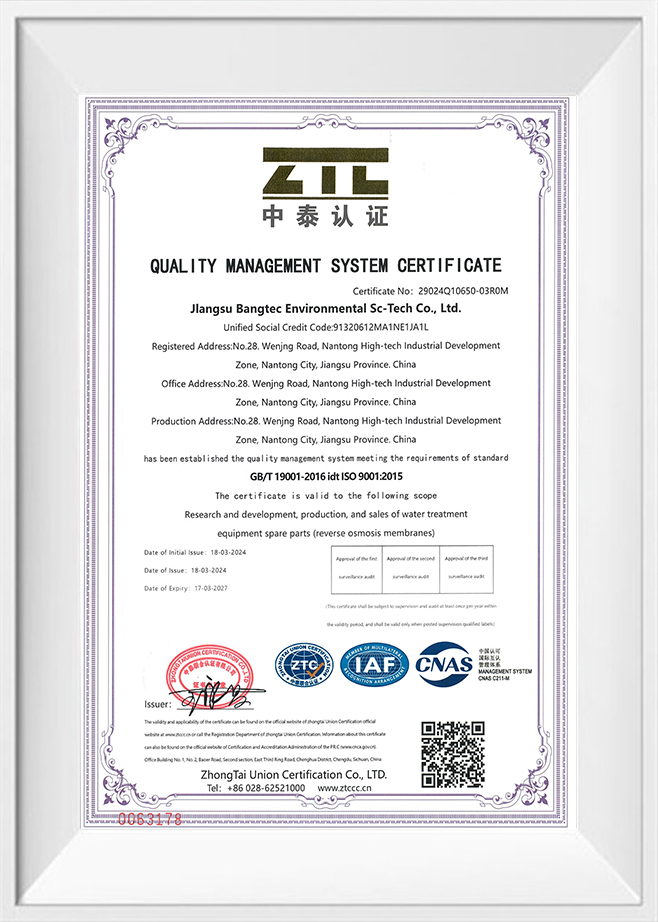
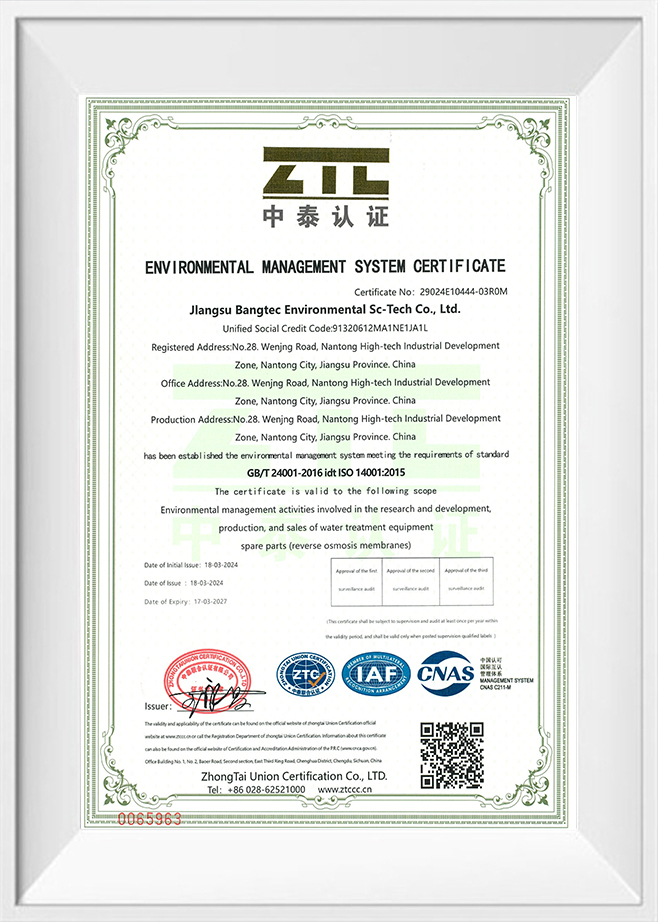
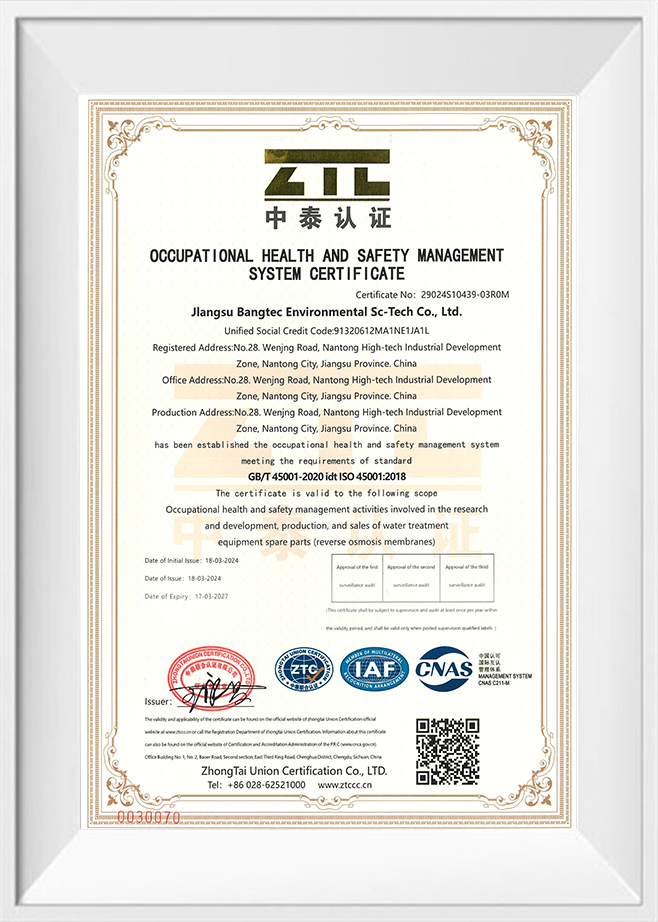
In practical use, it is recommended to replace pre-filters every 6 to 12 months and evaluate membrane element performance degradation every 24 to 36 months. When water production drops by more than 15 percent or salt rejection falls below 95 percent, membrane replacement should be considered. Jiangsu Bangtec Huachuang Sci-tech Co., Ltd. has obtained triple certifications including ISO9001 Quality Management System, ISO14001 Environmental Management System, and ISO45001 Occupational Health and Safety Management System. All Household RO membrane components produced undergo rigorous airtightness testing and performance calibration before leaving the factory.
Market Trends and Technology Evolution
The current domestic reverse osmosis membrane market shows two major trends: first, low-pressureization, with ULP and XLP membranes gaining market share year by year; second, high-flow orientation, with demand for 100GPD and above specifications growing noticeably. From a technical perspective, polyamide composite membranes remain mainstream, but anti-fouling coating technology and membrane surface modification technology are developing rapidly. These technological advances enable membrane elements to significantly improve resistance to organic and biological fouling while maintaining high salt rejection rates.
At the industry chain level, Domestic RO Membrane Manufacturer in China has formed a complete industrial chain spanning membrane sheet preparation, element rolling, and system integration. Companies such as Jiangsu Bangtec Huachuang Sci-tech Co., Ltd., through the introduction of overseas high-level talents and the establishment of international R&D platforms, have reached international leading levels in new product development. Their products are widely used in multiple industrial fields including photovoltaics, lithium batteries, steel, electric power, chemicals, printing and dyeing, and coal chemicals, while also maintaining stable supply capabilities in the home water purification market.