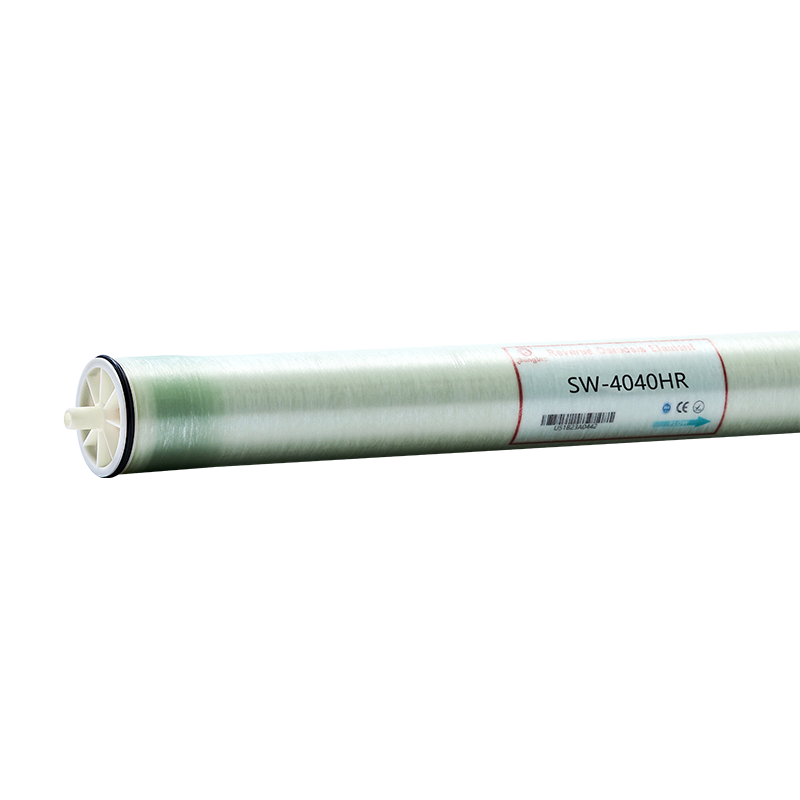
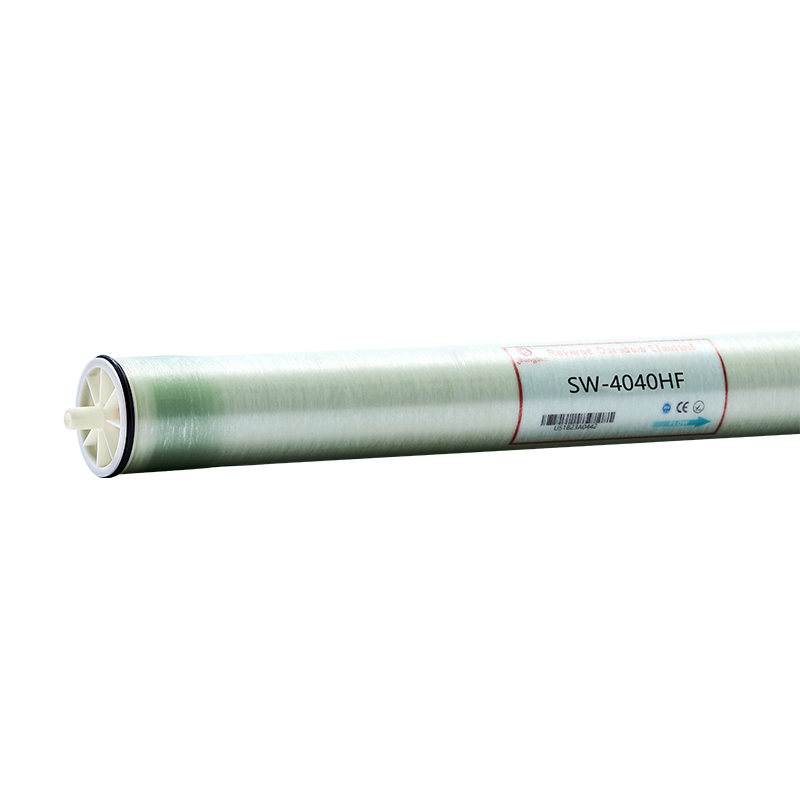
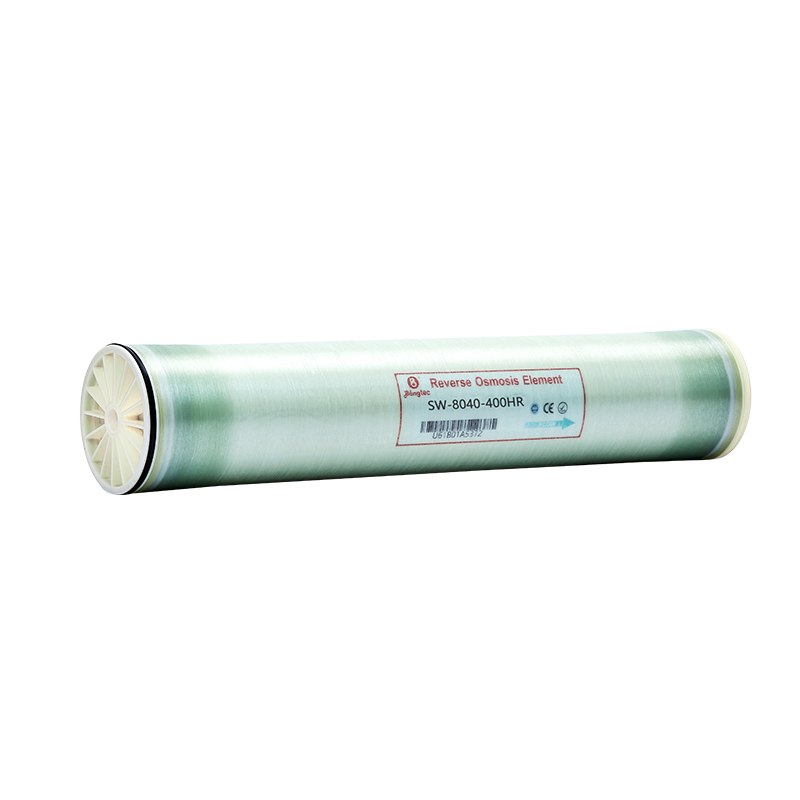
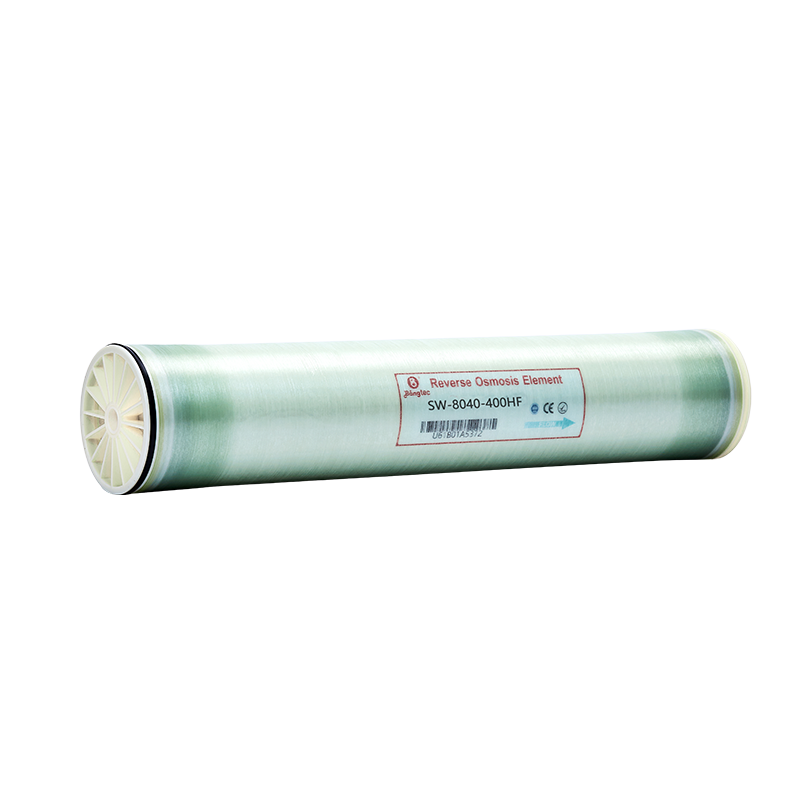
Sea Water RO Membrane is the core separation element of seawater desalination systems. By applying external pressure exceeding the osmotic pressure of seawater (typically 5.5-7.0 MPa), water molecules selectively permeate through the polyamide composite membrane layer while dissolved salts, heavy metal ions, and microorganisms are rejected, producing freshwater with TDS below 500 mg/L. As a critical technology product in the China Sea Water RO Membrane sector, its performance directly determines the output water quality, energy consumption level, and operational stability of desalination systems. Jiangsu Bangtec Huachuang Sci-tech Co., Ltd., leveraging the technical expertise of a Chinese Academy of Sciences doctoral team and overseas R&D institutions, is committed to the development and industrialization of high-rejection, low-energy SW Ro Membrane products. The product portfolio covers high-pressure, medium-pressure, and low-pressure reverse osmosis membranes as well as anti-fouling membrane series, widely applied in coastal city water supply, island desalination, and industrial high-salinity water treatment scenarios.
Core Performance Indicators and Operating Parameters
Premium Sea Water Ro Membrane must simultaneously meet three core requirements: high salt rejection, high permeate flux, and long-term stability. Under standard industry test conditions (32,000 ppm NaCl, 5.5 MPa operating pressure, 25 degrees C, pH 8, 8% recovery), mainstream SW RO Membrane products achieve stable salt rejection rates between 99.65% and 99.80%, with single 8040-format membrane elements delivering permeate flow rates of 6,500-7,500 GPD (24.6-28.3 cubic meters per day). In actual engineering operations, system recovery rates are typically controlled at 45%-50%; excessively high recovery rates cause rapid increases in concentrate-side salt concentration, intensifying scaling risks and reducing membrane lifespan.
| Performance Parameter |
Typical Range |
Description |
| Salt Rejection |
99.5% - 99.8% |
Based on NaCl test standard; nominal values achieved after 24-48 hours of continuous operation |
| Operating Pressure |
55 - 70 bar (800-1000 psi) |
Depends on feed TDS and temperature; approximately 0.07 bar osmotic pressure increase per 100 mg/L TDS |
| System Recovery |
45% - 50% |
Standard for single-stage design; two-stage systems can reach 55%-60% |
| Permeate Flux |
7 - 9 gfd (11.9-15.3 L/m2·h) |
Lower values for open seawater intake; higher values for beach well water |
| Specific Energy Consumption |
2.8 - 3.8 kWh/m3 |
Optimized systems with energy recovery devices can achieve below 3.0 kWh/m3 |
| Maximum Operating Temperature |
45 degrees C |
Exceeding this accelerates polyamide layer hydrolysis and shortens membrane life |
| Free Chlorine Tolerance |
< 0.1 ppm |
Free chlorine oxidizes and destroys the polyamide functional layer; removal via activated carbon or sodium bisulfite is required |
| Feed SDI Limit |
< 5 |
Recommended SDI below 3 after UF/MF pretreatment to extend cleaning intervals |
Membrane Material Structure and Separation Mechanism
Modern Sea Water RO Membrane employs a thin-film composite (TFC) structure comprising three precisely engineered functional layers. The base layer is a polyester non-woven fabric providing mechanical strength; the middle layer is a porous polysulfone ultrafiltration substrate serving as support and transition; the surface layer is a cross-linked aromatic polyamide active layer approximately 0.2 micrometers thick, which is the core for achieving selective separation. This active layer is prepared via interfacial polymerization, and its dense cross-linked structure exhibits extremely high water permeability (water permeability coefficient A approximately 2-5×10^-12 m/s·Pa) while showing very low permeability to monovalent ions such as NaCl (salt permeability coefficient B approximately 2-8×10^-8 m/s).
The separation process follows the solution-diffusion mechanism: water molecules on the high-pressure side preferentially dissolve into the polyamide layer and diffuse to the low-pressure side driven by the chemical potential gradient. Hydrated ions with larger radii, including Na+, Cl-, Mg2+, and Ca2+, are effectively rejected due to steric hindrance and Donnan exclusion effects. For neutral small molecules such as boric acid (H3BO3), conventional membranes achieve rejection rates of approximately 90%-92%. To reduce permeate boron concentration below 0.3 ppm, either increasing pH above 8.5 to convert boric acid to borate ions, or employing two-pass RO design, is necessary.
Critical Impact of Pretreatment on Membrane Lifespan
The completeness of pretreatment systems directly determines the operational cycle and cleaning frequency of Sea Water Ro Membrane. Untreated seawater contains suspended solids, colloids, organic matter, microorganisms, and scaling ions (Ca2+, Mg2+, Ba2+, Sr2+, SiO2), which form organic fouling, biofouling, or inorganic scaling on the membrane surface. Engineering practice demonstrates that insufficient pretreatment can cause irreversible flux decline of 30%-50% within 12 months, while optimized pretreatment (such as replacing conventional sand filtration with UF/MF membrane filtration) combined with periodic CIP cleaning can extend membrane service life beyond 3 years.
The recommended pretreatment process includes: after seawater intake, coarse debris and sand are removed via bar screens and hydrocyclones; coagulation-sedimentation or dissolved air flotation reduces turbidity and algae content; subsequent multi-media filtration or ultrafiltration membrane filtration controls effluent SDI below 3 and turbidity below 0.1 NTU; finally, cartridge filters (5 micrometers) intercept residual particles, and reducing agents are dosed to eliminate residual chlorine. For high-hardness seawater, antiscalant dosing before RO feed is also required to control the Langelier Saturation Index (LSI) below +1.5 and calcium sulfate saturation below 230%.
Application Fields and Typical Project Scenarios
The application of Sea Water RO Membrane has expanded from traditional municipal drinking water supply to multiple industrial sub-sectors. In the municipal sector, large SWRO desalination plants achieve single-train production capacities exceeding 100,000 cubic meters per day, with global SWRO desalination capacity surpassing 40 million cubic meters per day. In industrial applications, Sea Water Ro Membrane is widely used for boiler feedwater preparation at coastal power plants, circulating cooling water desalination in the petrochemical industry, and freshwater supply for island resorts and marine vessels.
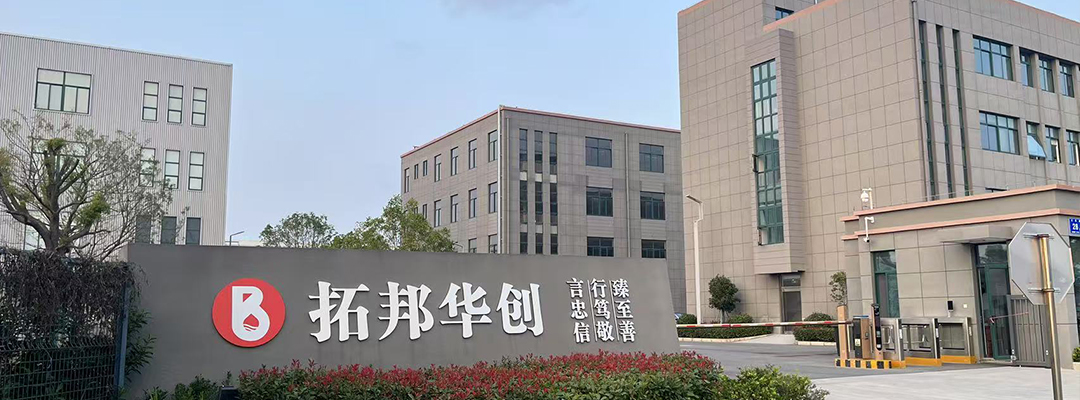
As a professional Sea Water RO Membrane Manufacturer, Jiangsu Bangtec Huachuang Sci-tech Co., Ltd. has deployed its products in demanding industrial sectors including photovoltaics, lithium batteries, steel, power generation, chemicals, textile printing and dyeing, and coal chemicals. The company's R&D team has developed special separation nanofiltration membranes and anti-fouling reverse osmosis membrane combination solutions targeting high-salinity wastewater concentration and zero-liquid-discharge requirements. These solutions maintain stable flux under high-COD, high-hardness feed conditions, helping customers achieve wastewater reuse rates exceeding 85%.
| Application Field |
Typical Feed TDS |
Product Water Requirement |
Key Membrane Selection Criteria |
| Municipal Drinking Water |
35,000 - 38,000 ppm |
TDS < 500 mg/L |
High rejection (≥99.7%), attention to boron rejection rate |
| Industrial Boiler Feedwater |
35,000 - 45,000 ppm |
TDS < 50 mg/L |
Ultra-high rejection (≥99.8%), combined with second-pass RO or mixed bed |
| Island/Marine Water Supply |
30,000 - 38,000 ppm |
TDS < 1,000 mg/L |
Compact modular design, emphasis on vibration resistance and space efficiency |
| High-Salinity Wastewater Concentration |
10,000 - 80,000 ppm |
Concentrate volume reduction |
Anti-fouling membrane surface, wide feed spacer, high pressure rating |
| Agricultural Irrigation |
35,000 - 40,000 ppm |
TDS < 1,000 mg/L |
Balance between rejection and energy consumption, control product water cost |
Operation Maintenance and Cleaning Strategies
The long-term stable operation of Sea Water RO Membrane depends on standardized maintenance procedures and timely chemical cleaning (CIP). During normal operation, feed pressure, inter-stage pressure differential, permeate flow, and permeate conductivity should be recorded daily. When normalized permeate flow decreases by 10%-15%, inter-stage pressure differential increases by 15%, or salt rejection declines, membrane surface fouling is indicated and CIP procedures should be initiated.
Cleaning protocols must be selected based on contaminant type: inorganic scaling (carbonate, sulfate, silica) is treated with citric acid or hydrochloric acid solution (pH 2-3) circulation; organic fouling and biofilm are addressed with alkaline cleaning agents (pH 11-12, containing surfactants and chelating agents); iron and aluminum oxide fouling is treated with oxalic acid or sodium bisulfite reduction cleaning. Cleaning temperature should be controlled below 35 degrees C, with single-element pressure drop not exceeding 1.0 bar, to avoid membrane layer damage from mechanical stress or chemical attack. During extended shutdowns, membrane elements should be immersed in 1% sodium bisulfite preservative solution to prevent microbial growth.
Selection Considerations and Cost Optimization
When selecting Sea Water RO Membrane, initial purchase price should not be the sole decision criterion; total cost of ownership (TCO) must be evaluated comprehensively. High-rejection membrane elements, though higher in unit price, can reduce downstream treatment steps and chemical consumption. Low-energy membranes (Low Energy SWRO) achieve target flux at lower operating pressures, reducing high-pressure pump power requirements and long-term electricity costs. For a 10,000 cubic meters per day desalination plant, every 1 bar reduction in operating pressure can save approximately 150,000-200,000 kWh annually.
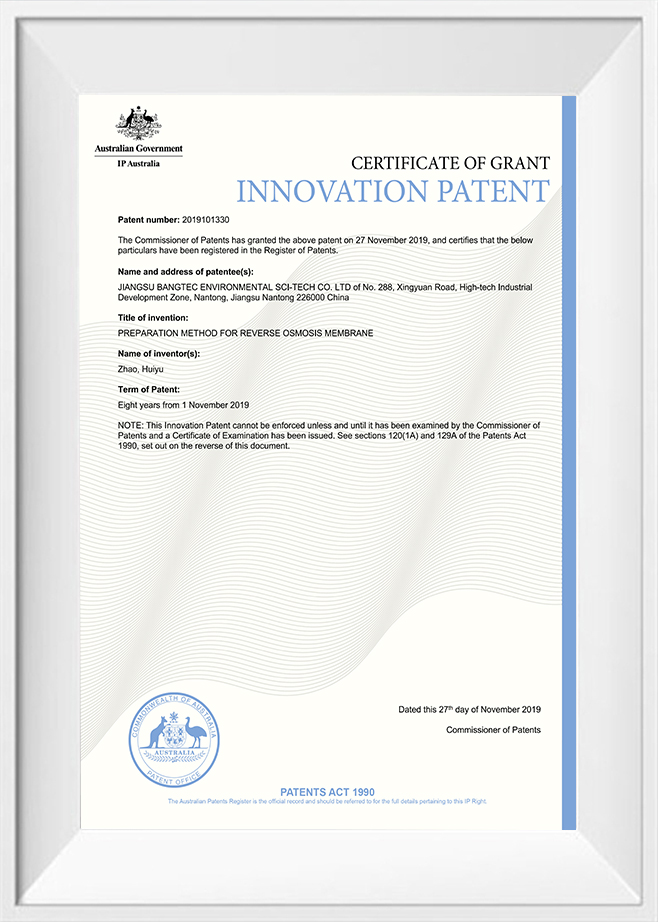
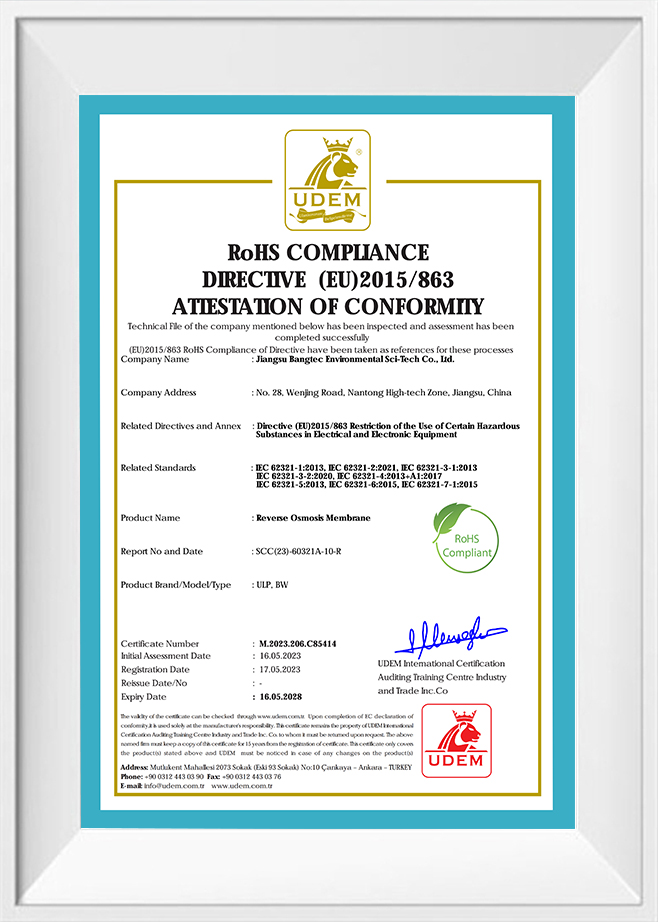
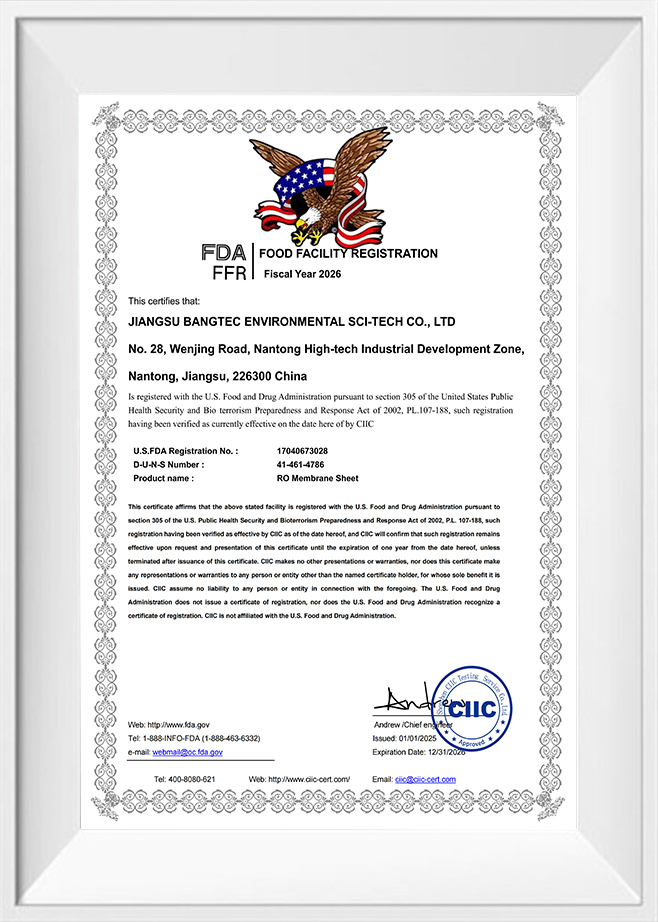
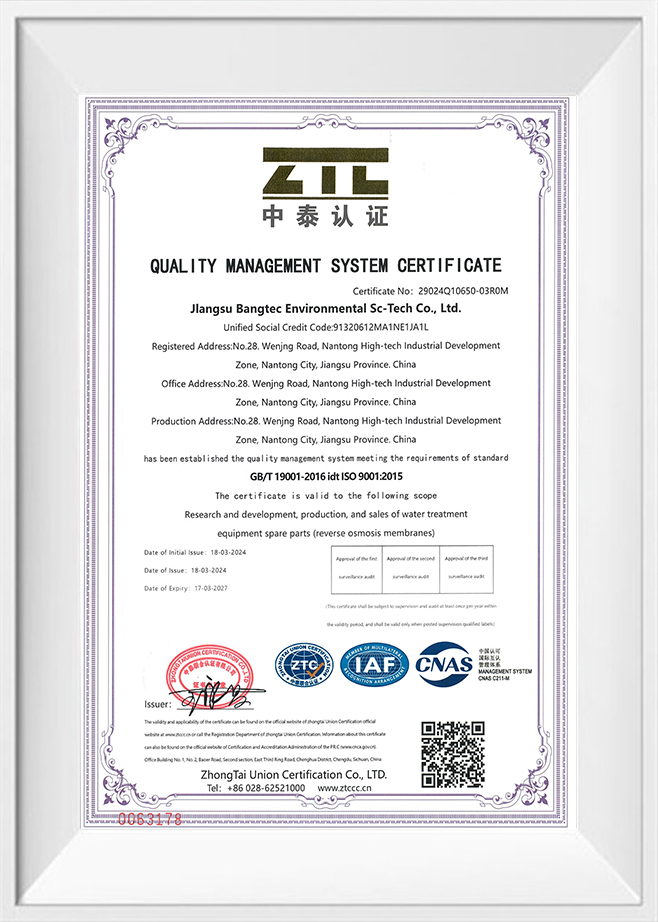
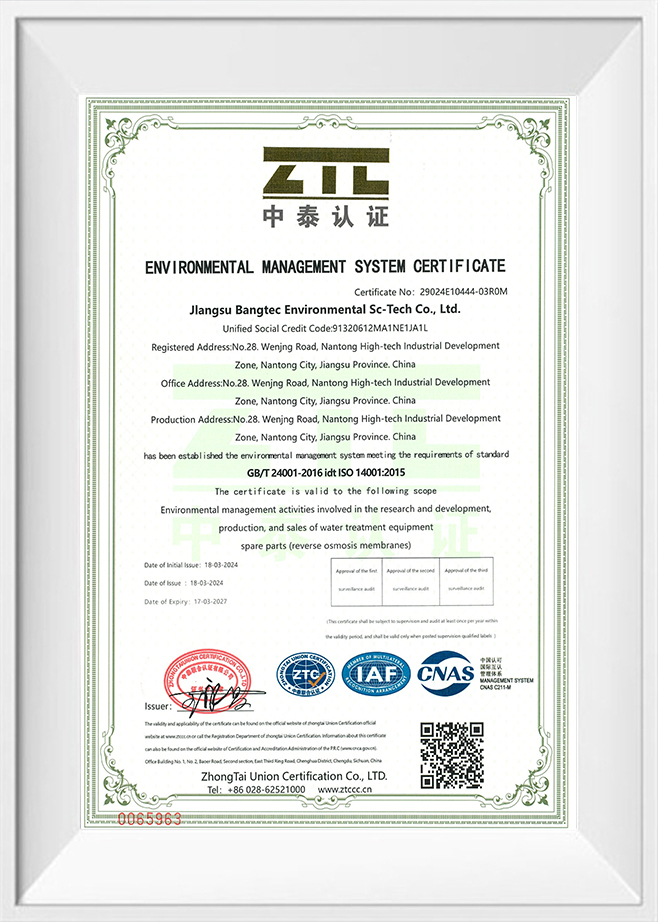
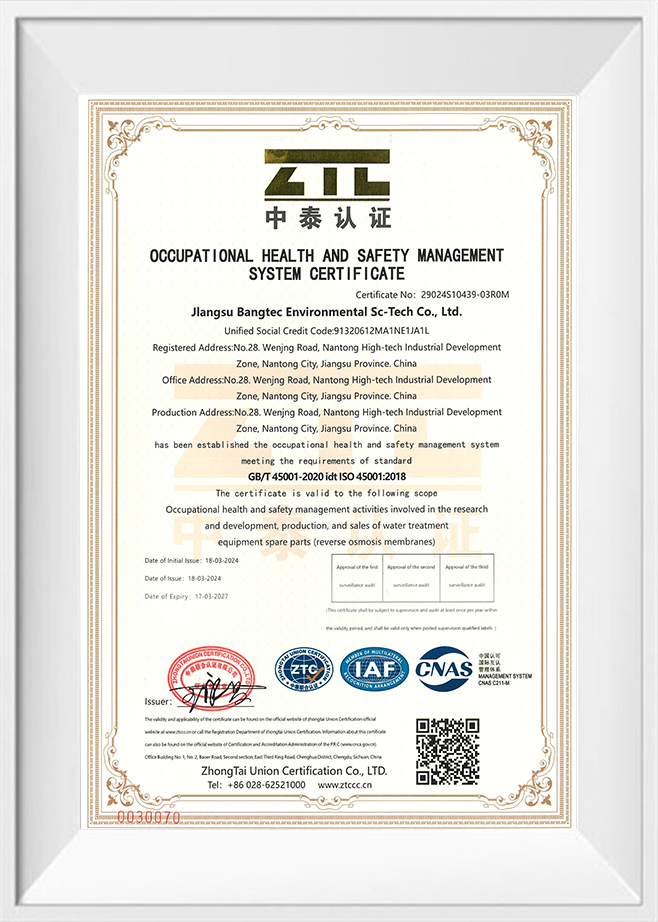
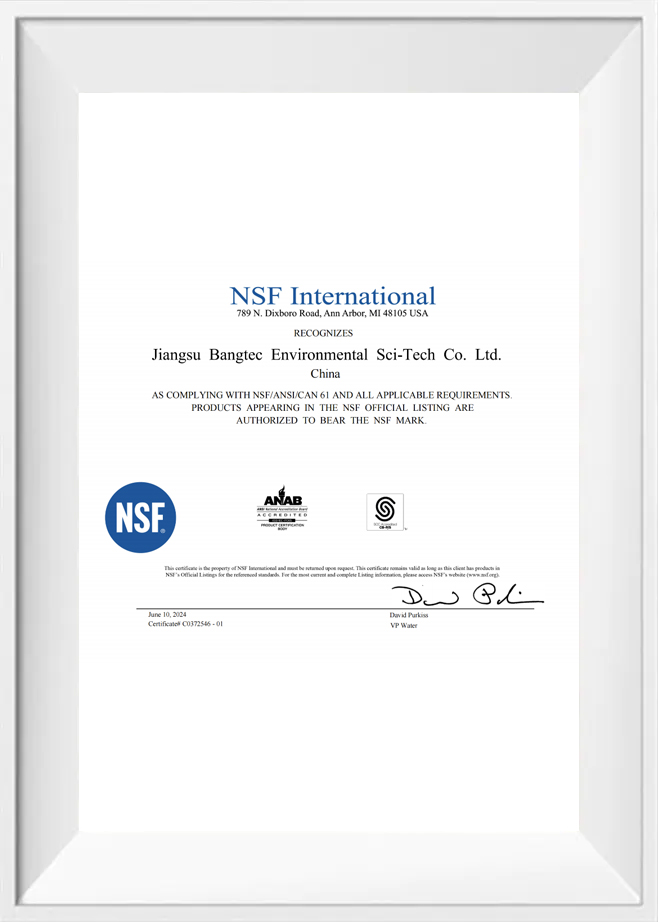
Furthermore, membrane element cleaning recovery rate and replacement cycle significantly impact TCO. Membrane surfaces with excellent anti-fouling performance (such as wide feed spacer and smooth surface design) reduce cleaning frequency and extend service life. As a certified Sea Water RO Membrane Supplier, Jiangsu Bangtec Huachuang Sci-tech Co., Ltd. maintains ISO9001, ISO14001, ISO45001, and CE certifications, establishing a comprehensive quality control system spanning membrane sheet preparation, element rolling, and performance testing to ensure that every membrane element meets international leading standards in rejection, flux, and durability.
Frequently Asked Questions
01
Key Differences Between Seawater and Brackish Water Membranes
Sea Water RO Membrane is designed for salinity above 35,000 ppm, featuring a denser polyamide active layer and higher-pressure-rated FRP outer wrap, requiring operating pressures of 55-70 bar. Brackish water membranes are suited for TDS below 10,000 ppm, operating at 10-25 bar with higher flux but lower rejection. The two types are not interchangeable.
02
Common Causes of Declining Salt Rejection
Primary causes include: polyamide layer oxidative damage (excessive free chlorine), mechanical damage (water hammer or excessive pressure differential), scaling/fouling-induced concentration polarization, and O-ring or interconnector leakage. Regular free chlorine monitoring below 0.1 ppm and proper pretreatment and cleaning are essential.
03
Typical Energy Consumption of SWRO Systems
Modern SWRO desalination plants consume approximately 2.8-3.8 kWh per cubic meter, with high-pressure pump energy accounting for 60%-70%. Energy recovery devices (such as Pelton turbines or pressure exchangers) can recover concentrate residual pressure, reducing system energy below 3.0 kWh/m3, with some advanced projects achieving 2.5 kWh/m3.
04
Storage and Protection Requirements for Membrane Elements
New membrane elements are vacuum-sealed in polyethylene bags containing 1% sodium bisulfite, with a shelf life of approximately 3-6 months. After installation, if the system shuts down for more than 7 days, elements should be immersed in preservative solution; for short-term shutdowns (1-7 days), low-pressure flushing for 30 minutes every 24 hours is recommended. Storage temperature should be 5-30 degrees C, avoiding direct sunlight and freezing.
05
Determining When Membrane Elements Require Replacement
When standardized permeate flow remains below 70% of initial value after proper CIP cleaning, salt rejection consistently falls below guaranteed values, or inter-stage pressure differential cannot be restored to normal range, the membrane has reached end-of-life. Typical seawater membranes last 3-5 years under good maintenance, depending on feed water quality and operating conditions.
06
Temperature Effects on Membrane Performance
For every 1 degree C increase, permeate flow increases by approximately 3%-3.5%, but salt passage also increases, reducing rejection. During winter low temperatures, flow decreases but water quality improves; during summer high temperatures, operating pressure must be moderately increased to maintain flow. Design calculations should account for the highest annual water temperature when sizing membrane elements and high-pressure pumps.


 EN
EN  عربى
عربى