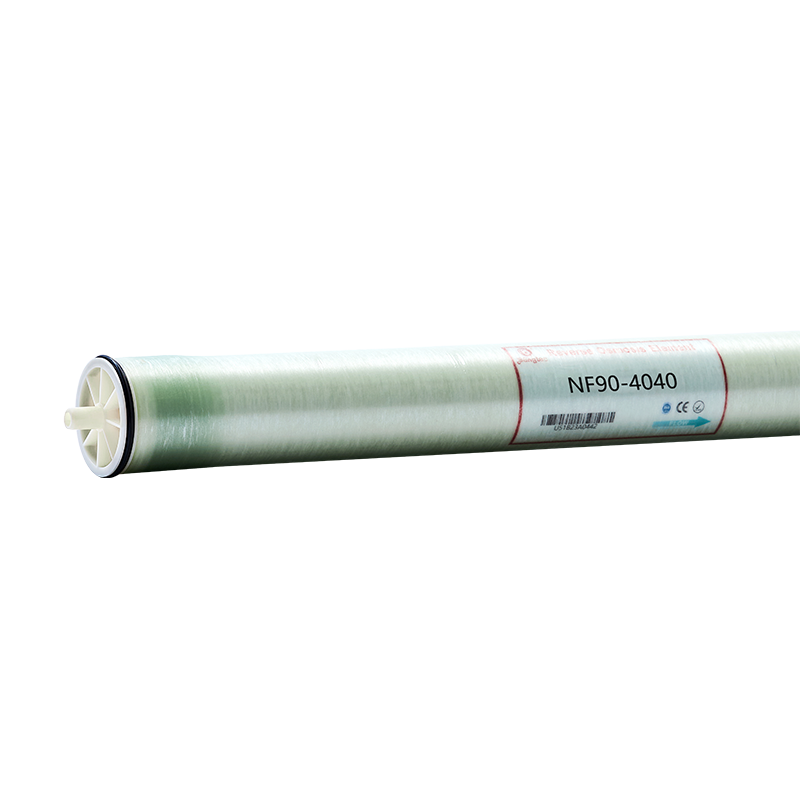
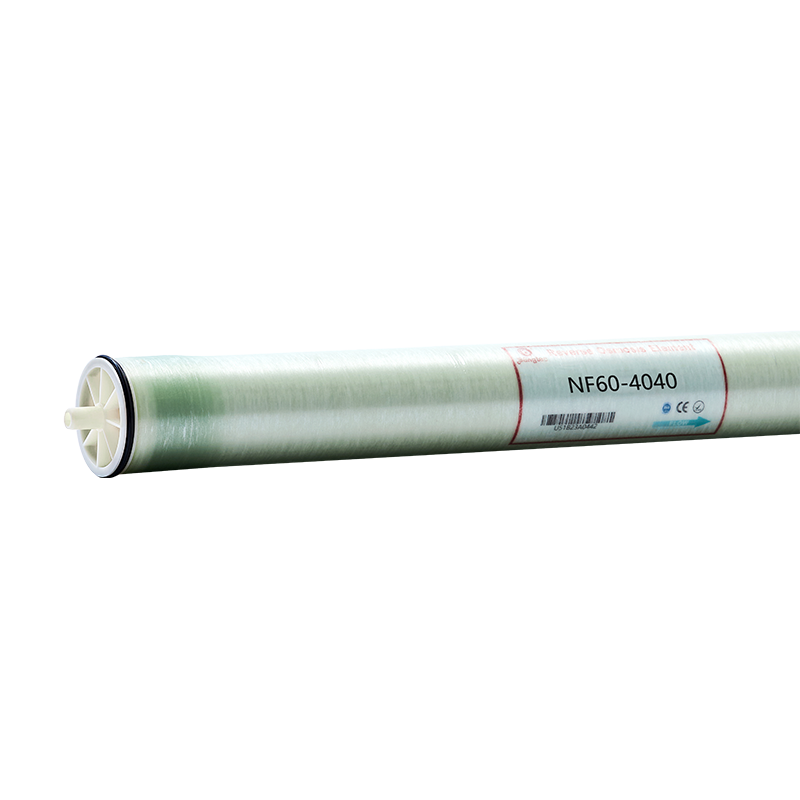
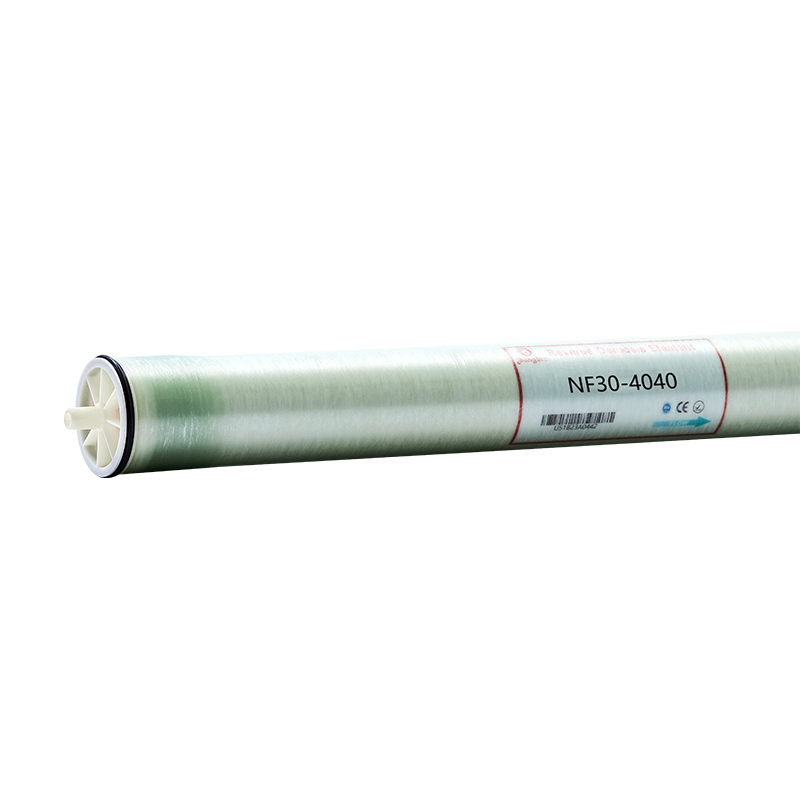
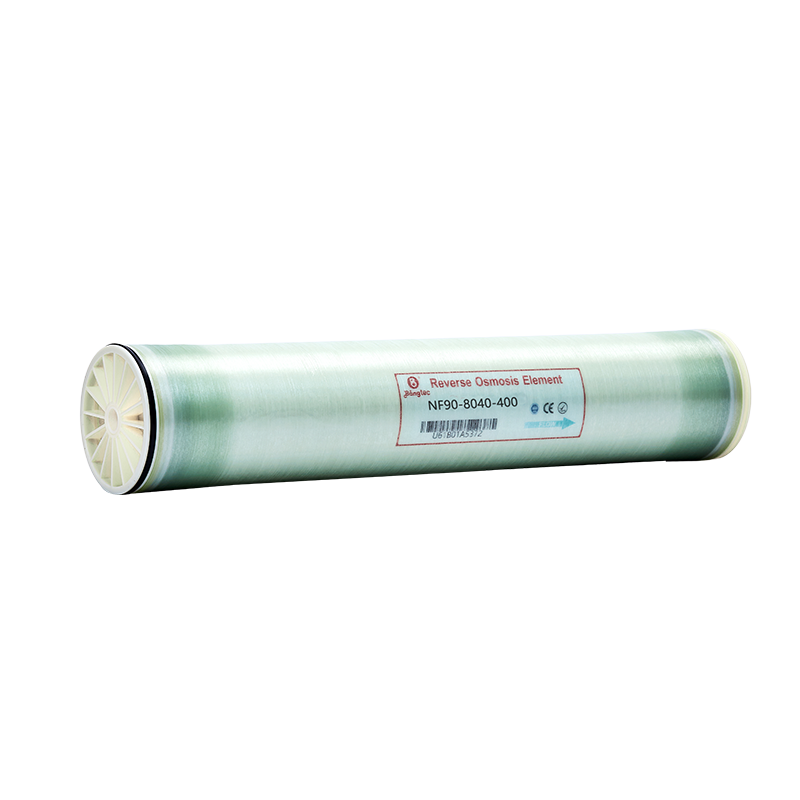
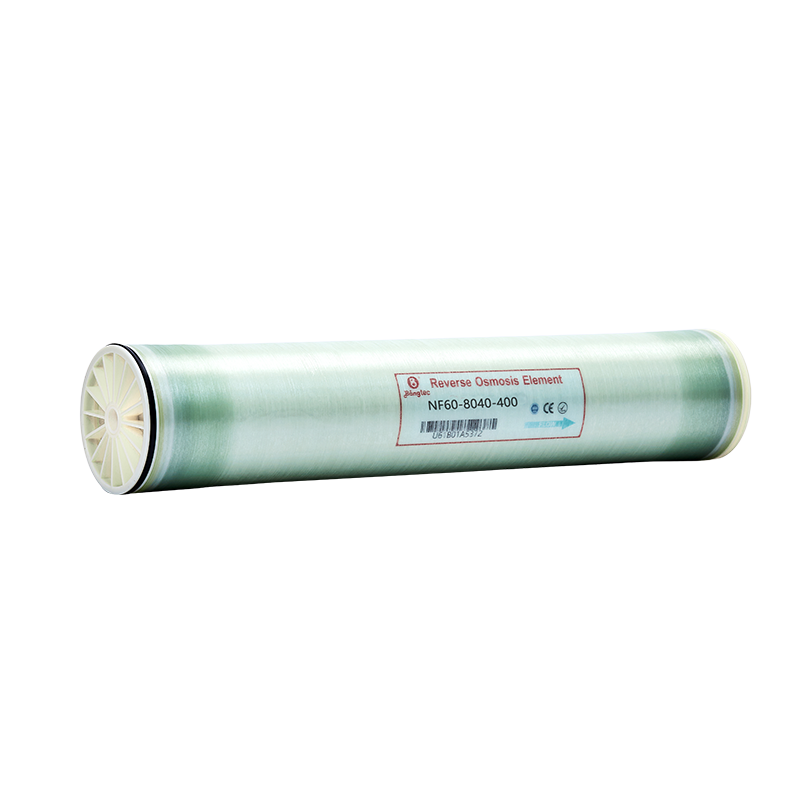
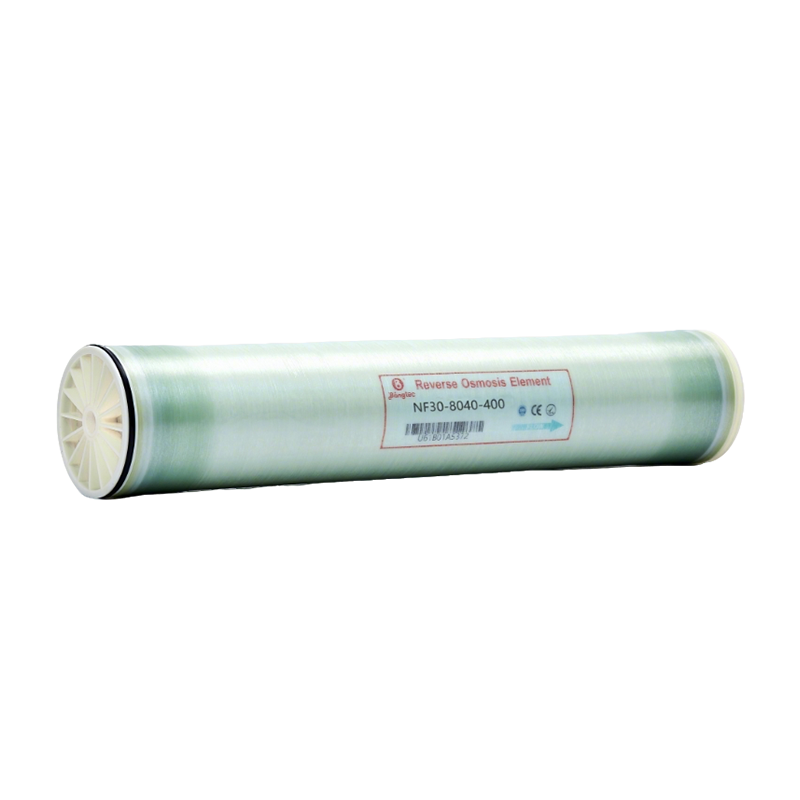
Nanofiltration Membrane is a pressure-driven membrane separation technology positioned between ultrafiltration and reverse osmosis, with a molecular weight cutoff typically ranging from 200 to 1000 Daltons. It exhibits high rejection rates for divalent and multivalent ions while allowing efficient permeation of monovalent ions and water molecules. As a critical component in water treatment applications, Nanofiltration Membrane is widely deployed in municipal water supply, industrial wastewater treatment, material separation, and residential water purification.
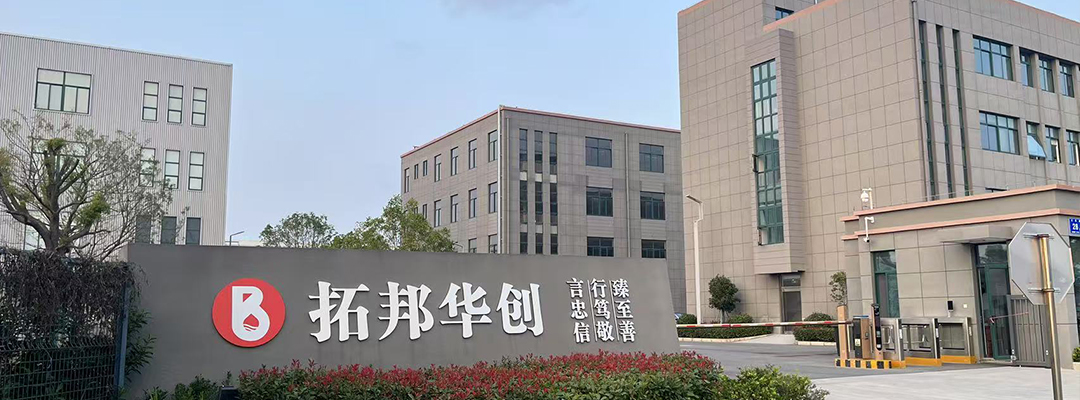
Jiangsu Bangtec Huachuang Sci-tech Co., Ltd., serving as a China Nanofiltration Membrane Manufacturer and Nanofiltration Membrane Supplier, specializes in the industrial development of high-end NF Membrane Element products and the promotion of integrated solutions. The product portfolio covers high-pressure, medium-pressure, and low-pressure series, along with acid-resistant and alkali-resistant models for special operating conditions, serving industries including photovoltaics, lithium batteries, steel, power generation, chemicals, printing and dyeing, and coal chemicals.
KEY TAKEAWAY
The separation mechanism of Nanofiltration Membrane is primarily based on size exclusion and Donnan effects. With a pore size of approximately 0.5 to 2 nanometers, it effectively retains organic compounds, viruses, bacteria, and certain inorganic salts with molecular weights exceeding 200 Daltons, while maintaining relatively low rejection rates for monovalent salts such as sodium chloride, typically between 20% and 80%. This characteristic provides unique advantages in softening treatment, organic removal, and selective separation.
Taking municipal administration NF Membrane applications as an example, a municipal water treatment plant employing an NF system achieved a reduction in outlet hardness from the original 450 mg/L to below 80 mg/L, with TOC removal reaching 92%, while retaining trace minerals beneficial to human health. This selective separation capability is unattainable with reverse osmosis membranes and represents the core driving force behind the continued growth of Nanofiltration Membrane in drinking water treatment.
200-1000Da
Molecular Weight Cutoff
20-80%
NaCl Rejection Rate
Based on operating pressure and chemical resistance, Nanofiltration Membrane can be divided into multiple subcategories. Industrial NF Membrane is typically designed as high-pressure type, with operating pressures reaching 4.0 to 8.0 MPa, suitable for high-concentration wastewater treatment and material concentration recovery. Domestic NF Membrane adopts low-pressure design, with operating pressures between 0.2 and 0.5 MPa, optimized for Water Purifier NF Membrane and domestic direct drinking fountain NF Membrane applications.
| Product Type |
Operating Pressure Range |
Typical Applications |
Core Advantages |
| Industrial NF Membrane |
4.0 - 8.0 MPa |
Industrial wastewater zero discharge, material concentration |
High flux, high rejection rate |
| Water Purifier NF Membrane |
0.2 - 0.5 MPa |
Residential water purifiers, direct drinking fountains |
Low-pressure operation, mineral retention |
| Municipal Administration NF Membrane |
0.5 - 1.5 MPa |
Municipal water softening, organic removal |
Large flux, low energy consumption |
| Material Separation NF Membrane |
2.0 - 6.0 MPa |
Pharmaceutical separation, food concentration |
High-precision selective separation |
| Acid Resistance NF Membrane |
1.0 - 4.0 MPa |
Acidic wastewater treatment, acid recovery |
pH tolerance range 1-3 |
| Alkali Resistance NF Membrane |
1.0 - 4.0 MPa |
Alkaline wastewater treatment, alkali purification |
pH tolerance range 10-14 |
| High Pressure NF Membrane |
6.0 - 10.0 MPa |
High-salinity wastewater concentration, seawater softening |
Ultra-high desalination rate, stable operation |
Nanofiltration Membrane typically adopts a Thin Film Composite structure, consisting of a non-woven fabric support layer, a polysulfone ultrafiltration substrate membrane, and a polyamide active separation layer. The cross-linking density and charge characteristics of the active layer directly determine the membrane separation performance.
The NF Membrane Element developed by Jiangsu Bangtec Huachuang Sci-tech Co., Ltd. employs a proprietary interfacial polymerization process, with the active layer thickness controlled between 50 and 150 nanometers. The surface Zeta potential reaches -15 to -25 mV at pH 7, conferring excellent anti-fouling performance.
Standard 8040 Performance
Test Temperature25C
Test Pressure0.5 MPa
MgSO4 Rejection≥98%
NaCl Rejection40%-60%
Permeate Flux25-40 LMH
Annual Flux Decline<5%
Typical performance data indicates that a standard 8040 NF Membrane Element, tested at 25 degrees Celsius and 0.5 MPa pressure, achieves magnesium sulfate rejection rates exceeding 98%, sodium chloride rejection rates of approximately 40% to 60%, and permeate flux maintained at 25 to 40 LMH (liters per square meter per hour). The High Pressure NF Membrane model, tested at 6.0 MPa, achieves total hardness removal rates exceeding 99%, while maintaining a stable permeate flux decline rate below 5% annually.
In highly corrosive environments such as chemicals, printing and dyeing, and coal chemicals, the demand for Acid Resistance NF Membrane and Alkali Resistance NF Membrane is increasingly prominent. Conventional polyamide membranes are prone to amide bond hydrolysis under strong acid or alkali conditions, leading to performance degradation. By introducing chemically resistant sulfonated polysulfone or polyethersulfone substrate membranes and optimizing the active layer cross-linking structure, the pH operating range can be extended to 1 to 14.
Conventional NF Membrane
Flux decline exceeds 30% within 3 months
VS
Alkali-Resistant NF Membrane
Only 8% flux decline after 12 months
Practical application cases demonstrate that a large printing and dyeing enterprise employing Alkali Resistance NF Membrane to treat mercerizing wastewater at pH 12 achieved a flux decline of only 8% after 12 months of continuous operation, whereas conventional NF membranes experienced flux decline exceeding 30% within 3 months under equivalent conditions. This data fully validates the reliability advantages of specialized chemically resistant NF Membrane Element in extreme operating conditions.
The global Nanofiltration Membrane market has long been dominated by European, American, and Japanese enterprises. However, the China Nanofiltration Membrane industry has developed rapidly in recent years, with domestic membrane products gradually approaching international advanced levels in performance indicators. Taking domestic direct drinking fountain NF Membrane as an example, domestic membrane elements have narrowed the gap with imported products to within 5% in key parameters such as permeate flux, desalination rate, and service life, while pricing at only 60% to 70% of imported products.
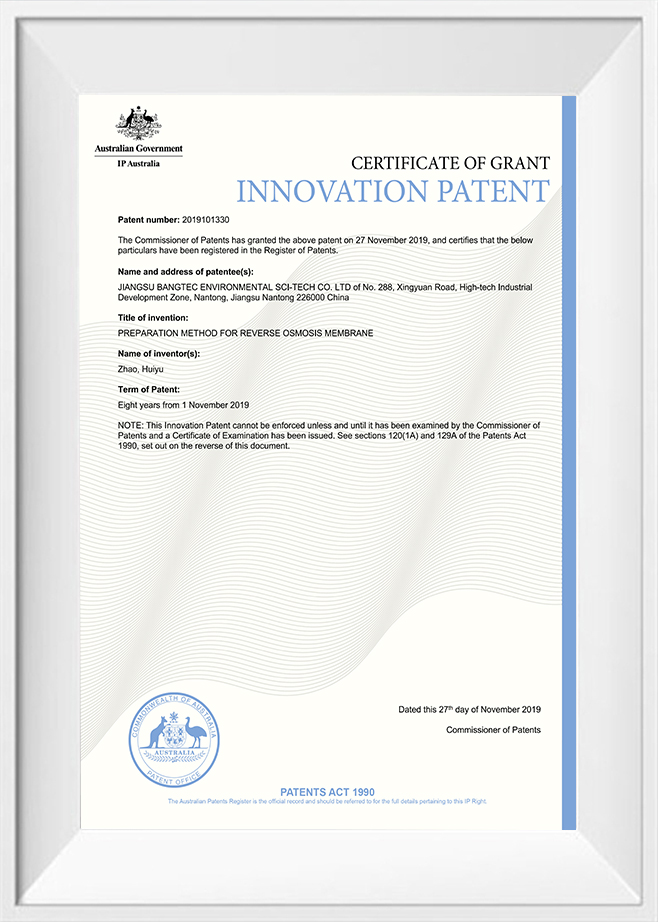
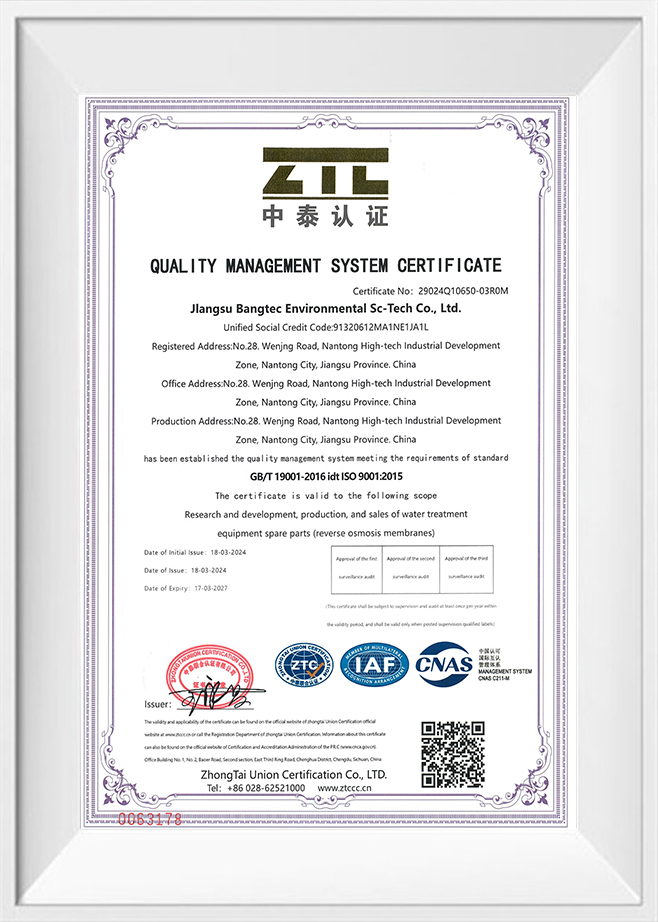
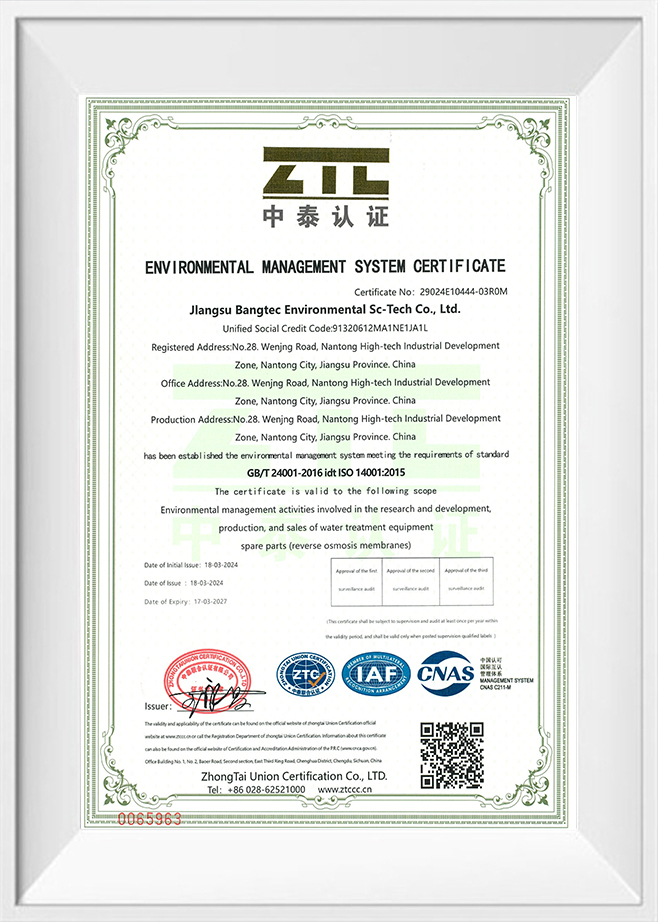
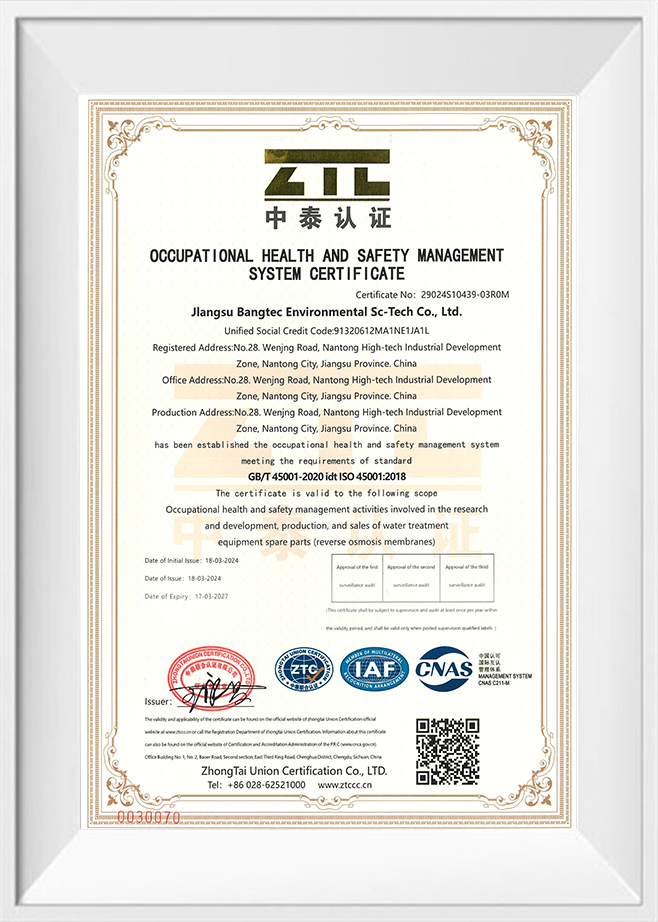
Jiangsu Bangtec Huachuang Sci-tech Co., Ltd., as a significant participant in the China Nanofiltration Membrane sector, leverages the technical expertise of a doctoral team from the Chinese Academy of Sciences to establish a comprehensive product line covering high-pressure, medium-pressure, low-pressure, and special separation requirements. The company has obtained ISO9001, ISO14001, and ISO45001 integrated management system certifications as well as CE certification. Product performance has been verified by third-party testing to reach international leading levels, providing numerous reliable water treatment NF Membrane solutions for industries including photovoltaics, lithium batteries, steel, and power generation.
Selecting the appropriate Nanofiltration Membrane requires comprehensive consideration of feed water quality, target permeate requirements, operating pressure, and chemical cleaning frequency. For high-hardness water sources, priority should be given to Municipal Administration NF Membrane with high divalent ion rejection rates. For industrial wastewater containing organic solvents or strong acids and bases, Acid Resistance NF Membrane or Alkali Resistance NF Membrane should be matched accordingly.
Maintenance Recommendation
Regular chemical cleaning can extend the service life of NF Membrane Element to 5 to 7 years. The recommended cleaning cycle is to initiate the cleaning procedure when standardized permeate production decreases by 10% or transmembrane pressure differential increases by 15%. For Water Purifier NF Membrane residential applications, it is recommended to replace pre-filters every 6 to 12 months to protect membrane elements from particulate contamination.
Q1
What is the difference between Nanofiltration Membrane and reverse osmosis membrane
NF membranes have a molecular weight cutoff of approximately 200-1000 Daltons, with high rejection of divalent ions but lower rejection of monovalent salts, typically operating at 0.5-2.0 MPa. RO membranes reject nearly all ions and require 1.5-10.0 MPa. NF is more suitable for softening and selective separation, while RO is preferred for high-purity desalination.
Q2
What is the typical service life of Industrial NF Membrane
Under proper maintenance conditions, Industrial NF Membrane typically lasts 3 to 5 years. With good feed water quality and timely cleaning, some High Pressure NF Membrane models can operate stably for over 7 years. Key influencing factors include feed water SDI value, residual chlorine content, and chemical cleaning frequency.
Q3
Can Domestic NF Membrane remove heavy metals
Domestic NF Membrane achieves rejection rates exceeding 95% for divalent heavy metal ions such as lead, cadmium, and chromium. The removal effect for trivalent arsenic is superior to pentavalent forms. Water Purifier NF Membrane effectively removes harmful heavy metals while retaining beneficial minerals such as calcium and magnesium, making it an ideal choice for residential water purification.
Q4
What is the pH range for Acid Resistance NF Membrane
Acid Resistance NF Membrane can operate continuously in strong acid environments with pH 1 to 3, and withstand short-term cleaning with chemical agents ranging from pH 1 to 14. Its active layer employs a special cross-linking structure that reduces amide bond hydrolysis rates by over 80% compared to conventional membranes, making it suitable for acid recovery and acidic wastewater treatment.
Q5
What causes flux decline in NF Membrane Element
Flux decline primarily results from membrane surface fouling, concentration polarization, and chemical degradation. Inorganic scaling, organic adsorption, and biofouling are the three main causes. By optimizing pretreatment processes, controlling recovery rates, and conducting regular chemical cleaning, annual flux decline can be controlled below 5%.
Q6
How to determine when NF membrane needs replacement
Replacement is recommended when the following conditions occur: standardized permeate production drops by over 20%, transmembrane pressure differential increases by over 25%, desalination rate decreases by over 10%, or performance cannot be restored after chemical cleaning. For Material Separation NF Membrane in high-precision pharmaceutical applications, more stringent performance monitoring is recommended.


 EN
EN  عربى
عربى