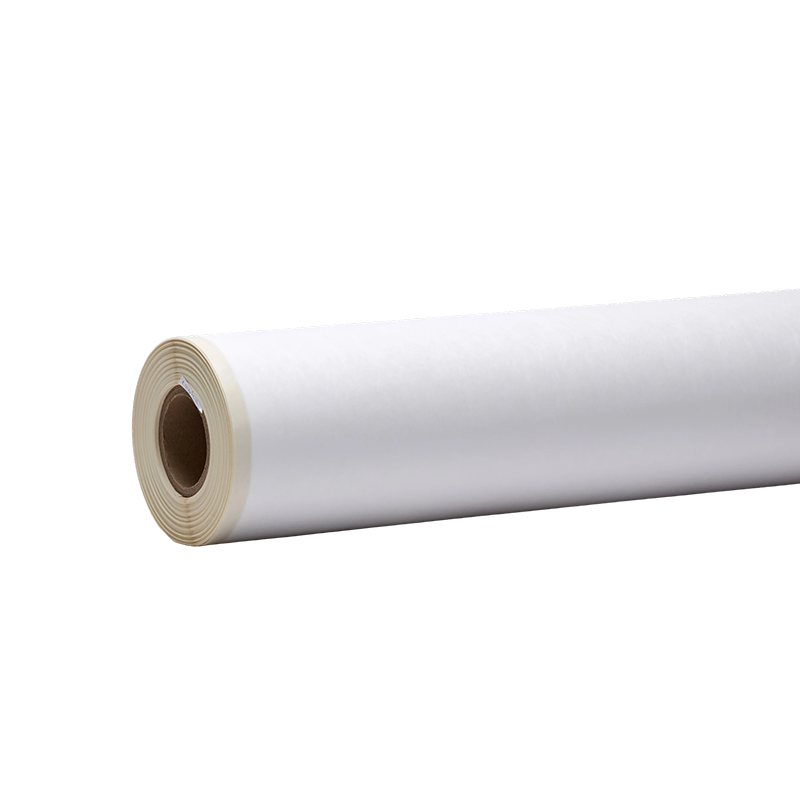
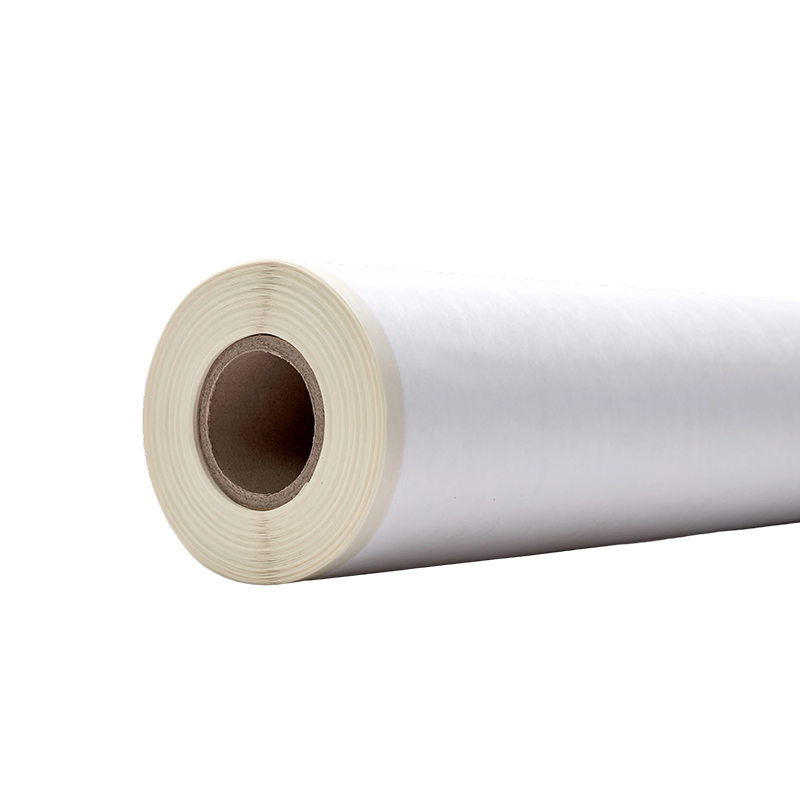
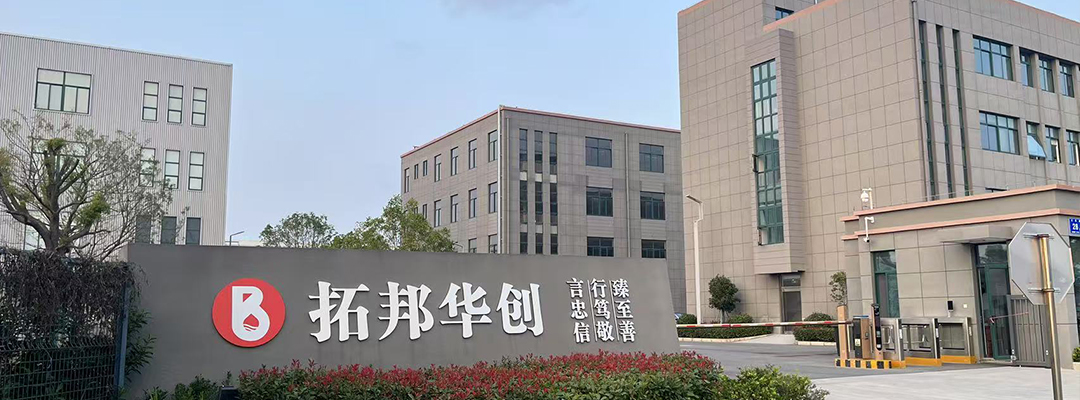
RO Membrane Sheet is the core material constituting RO Membrane Element, directly determining the salt rejection rate, water production capacity, and operational stability of water treatment systems. As a critical upstream product in the reverse osmosis technology supply chain, RO Membrane Sheet is widely applied in seawater desalination, industrial pure water preparation, municipal drinking water purification, and wastewater reuse. Jiangsu Bangtec Huachuang Sci-tech Co., Ltd., as a China RO Membrane Sheet Manufacturer and RO Membrane Sheet Supplier, leverages the technical expertise of a doctoral team from the Chinese Academy of Sciences to specialize in the industrialization of high-end nanofiltration membrane products. Its product portfolio covers a series of innovative products including high, medium, and low-pressure reverse osmosis membranes, fouling resistance RO membranes, and special separation nanofiltration membranes.
Technical Principles and Core Performance Indicators of RO Membrane Sheet
RO Membrane Sheet achieves separation of solvent and solute through the selective permeation of a semi-permeable membrane driven by external pressure. Its separation performance is primarily measured by the following core indicators:
| Performance Indicator |
Definition |
Typical Range |
| Salt Rejection Rate |
Ability of the membrane to retain dissolved salts |
98.0% - 99.8% |
| Water Flux |
Water production per unit area per unit time |
25 - 80 GFD |
| Operating Pressure |
Minimum feed water pressure for normal operation |
0.5 - 15 bar |
| pH Tolerance Range |
Acidic and alkaline environment for stable operation |
2 - 11 |
| Maximum Operating Temperature |
Upper temperature limit for long-term operation |
45 degrees C |
| Free Chlorine Tolerance |
Tolerance level to oxidizing agents |
0.1 - 1.0 ppm |
Different application scenarios impose significantly different requirements on membrane performance. For instance, seawater desalination requires membranes to maintain high salt rejection rates above 99.5% under high pressure conditions of 55-70 bar, while municipal drinking water treatment focuses more on water flux performance under low-pressure operating conditions. Through continuous technological innovation, Bangtec has achieved internationally leading performance in newly developed products, providing customized membrane sheet solutions for multiple sectors including photovoltaics, lithium batteries, steel, electric power, chemicals, printing and dyeing, and coal chemical industries.
Main Classifications and Application Scenarios of RO Membrane Sheet
Based on variations in operating pressure, fouling resistance characteristics, and chemical tolerance, RO Membrane Sheet can be classified into multiple categories. The following table outlines the primary membrane types within Bangtec product portfolio and their typical applications:
| Membrane Type |
Core Characteristics |
Typical Applications |
| Low Pressure RO Sheet |
Low operating pressure, approximately 30% energy savings |
Municipal drinking water, brackish water desalination |
| XLP RO Sheet / Extra Low Pressure RO Sheet |
Extremely low pressure operation, high water flux |
Low salinity water sources, energy-efficient systems |
| FR RO Sheet / Fouling Resistance RO Sheet |
Surface hydrophilic modification, resistant to organic fouling |
Wastewater reuse, high COD feed water |
| Oxidation Resistance RO Sheet |
Tolerant to free chlorine shock, extended cleaning intervals |
Chlorinated water sources, chemical industry |
| High Pressure RO Sheet |
High salt rejection, dense structure |
Seawater desalination, high salinity wastewater |
| Nanofiltration Membrane Sheet |
Selective retention of divalent ions |
Special separation, material concentration |
In practical selection, the choice of membrane type requires comprehensive consideration of feed water quality, product water requirements, operating costs, and system maintenance cycles. For example, in wastewater reuse projects for the printing and dyeing industry featuring high colority and high COD, the fouling resistance characteristics of FR RO Sheet can reduce chemical cleaning frequency from monthly to quarterly, significantly lowering operation and maintenance costs.
Manufacturing Process and Quality Control of RO Membrane Sheet
The manufacturing of high-quality RO Membrane Sheet involves multiple critical processes including precision coating, interfacial polymerization, heat treatment, and post-treatment modification. Taking polyamide composite membranes as an example, the production flow mainly includes:
1. Substrate Preparation: High-strength polyester non-woven fabric is selected as the support layer to ensure mechanical stability during the rolling process.
2. Polysulfone Layer Coating: A polysulfone ultrafiltration layer is uniformly coated on the non-woven fabric surface to form a porous intermediate support structure.
3. Interfacial Polymerization: Through the interfacial reaction between aqueous phase monomer (m-phenylenediamine) and organic phase monomer (trimesoyl chloride), a polyamide separation layer approximately 200 nanometers thick is formed on the polysulfone layer surface.
4. Heat Treatment Shaping: The membrane sheet undergoes heat treatment under controlled temperature to optimize the cross-linking density and micro-morphology of the polyamide layer.
5. Post-Treatment Modification: Depending on functional requirements, hydrophilic modification, oxidation resistance modification, or anti-fouling coating treatment is applied.
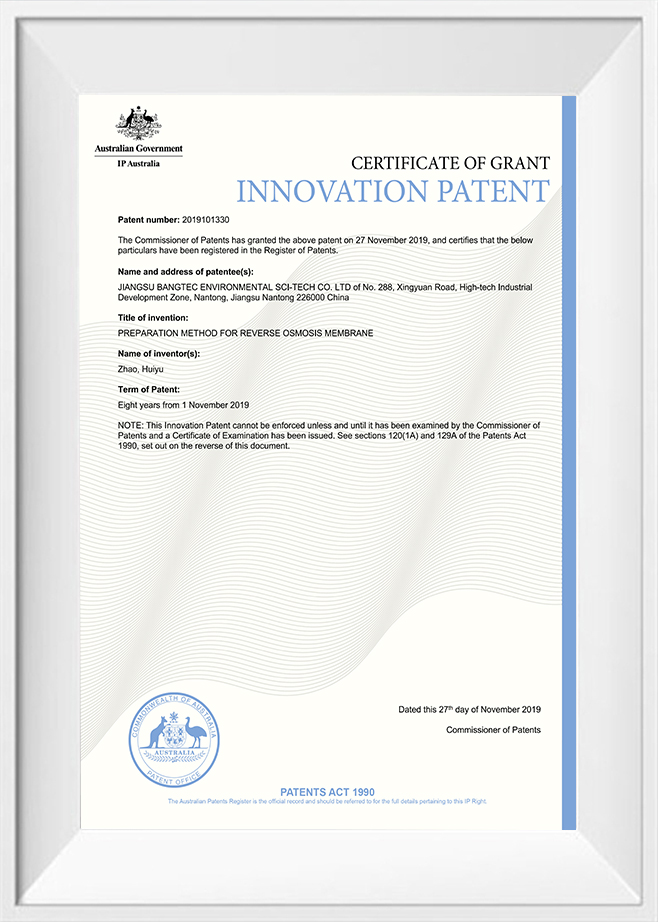
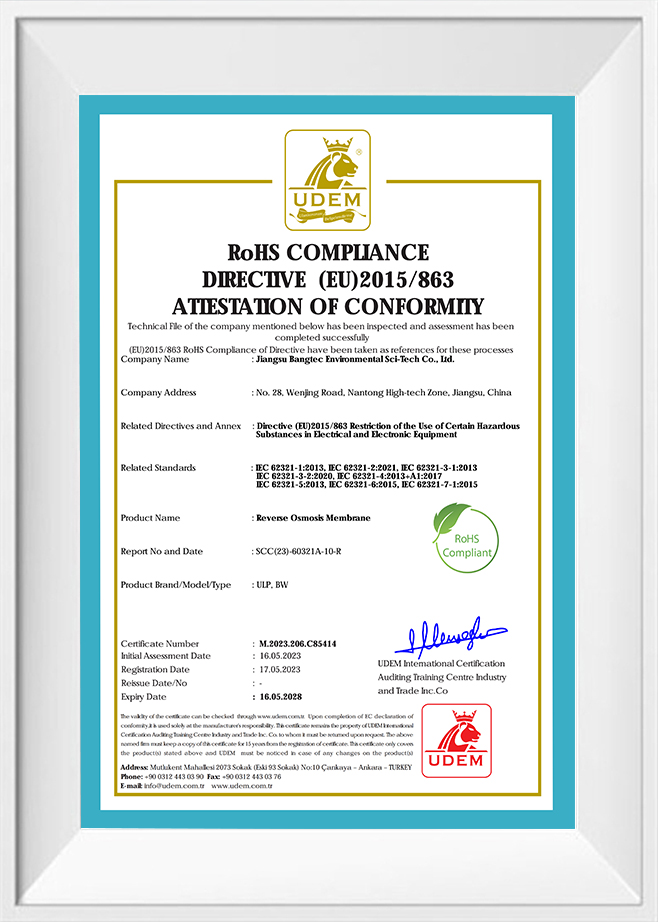
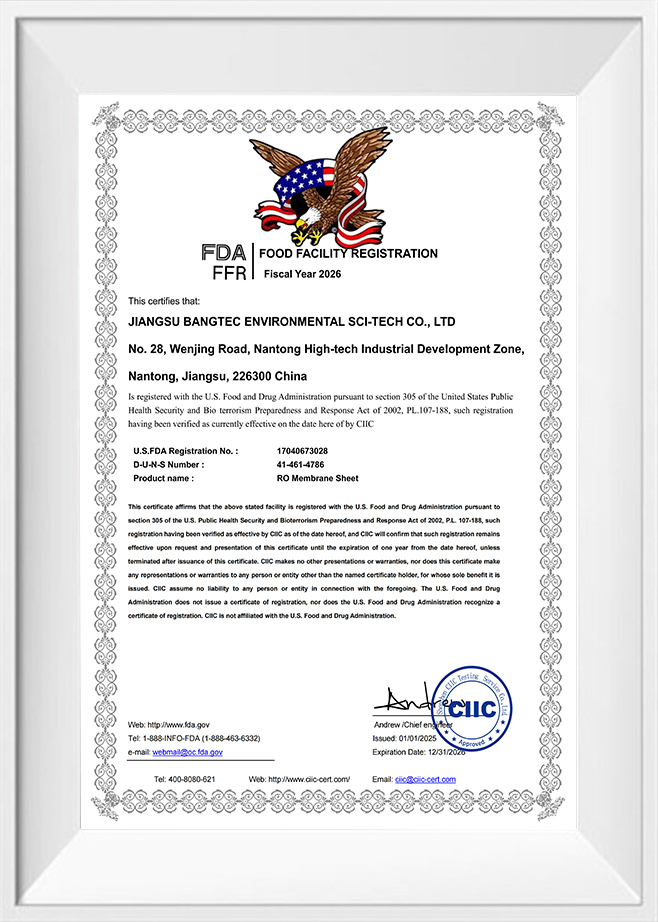
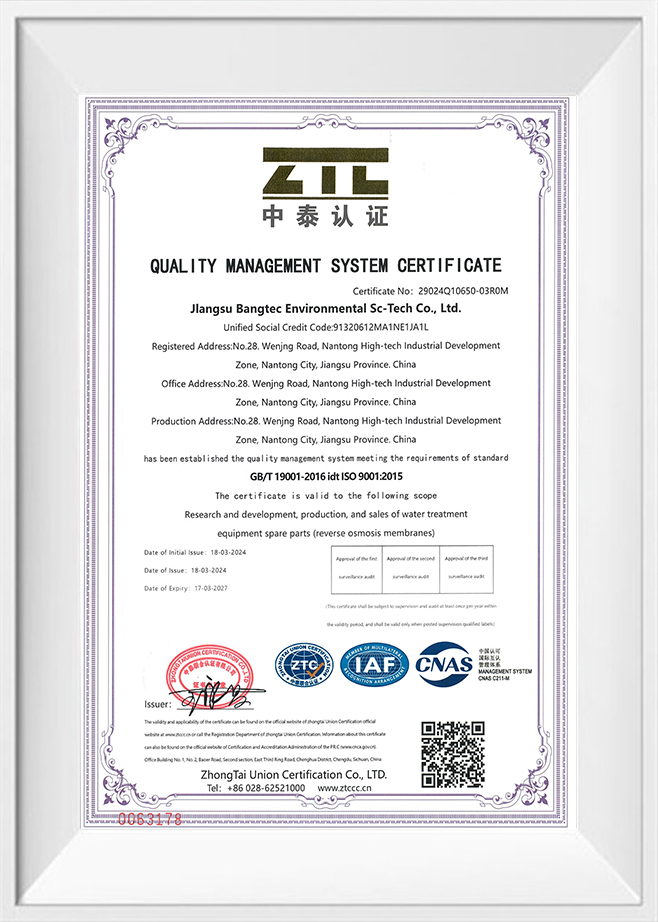
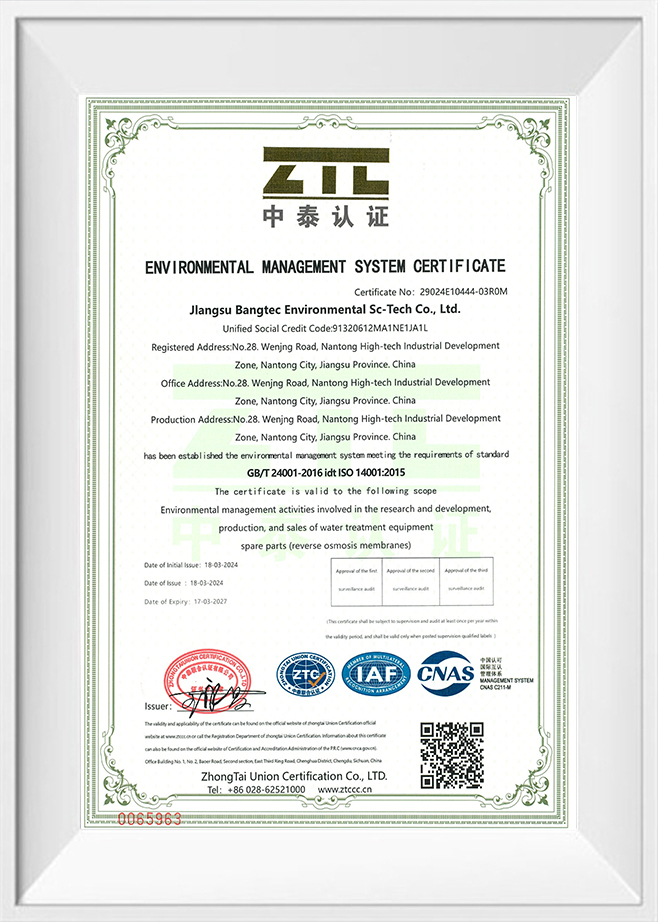
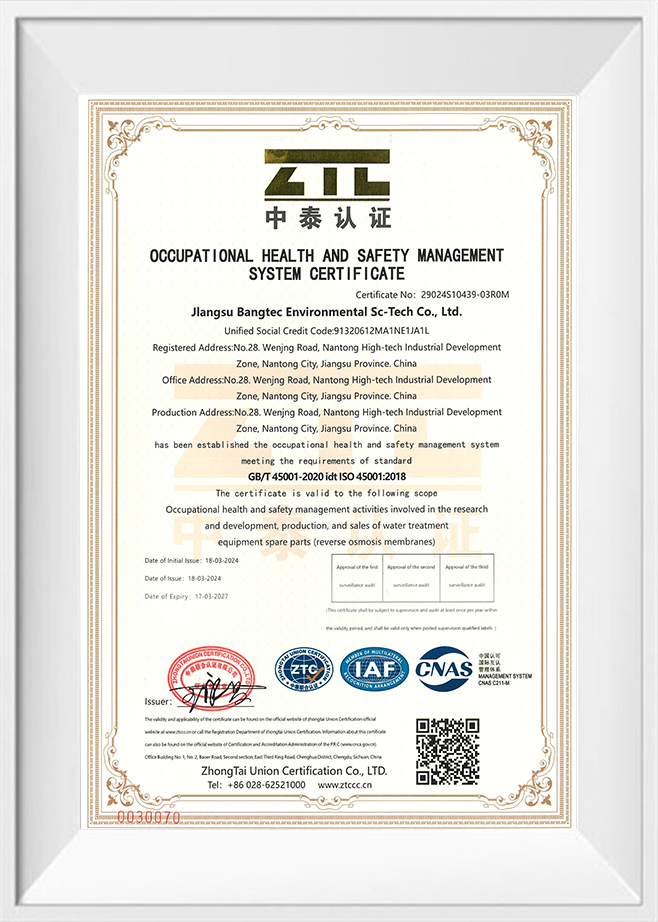
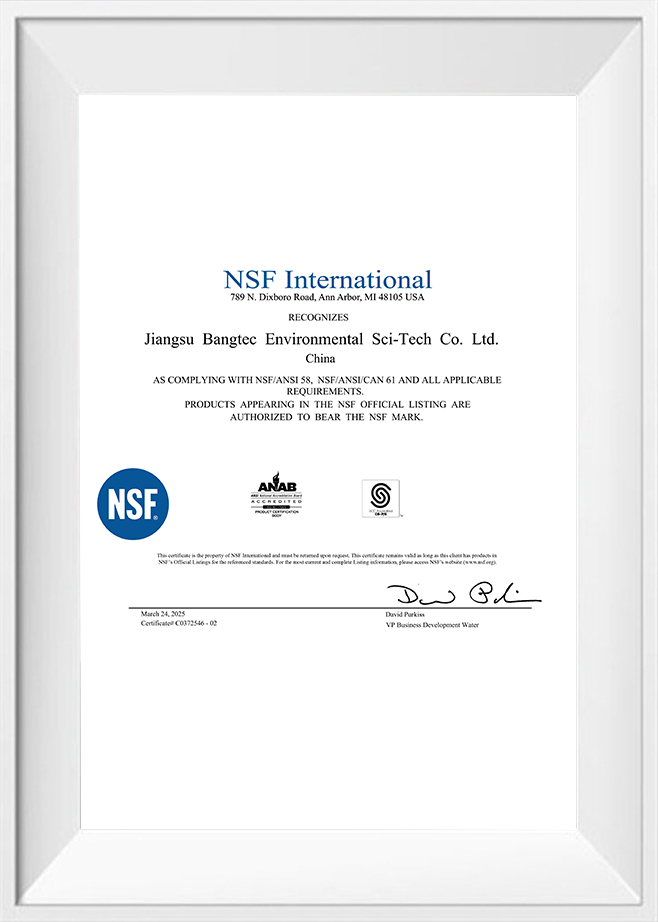
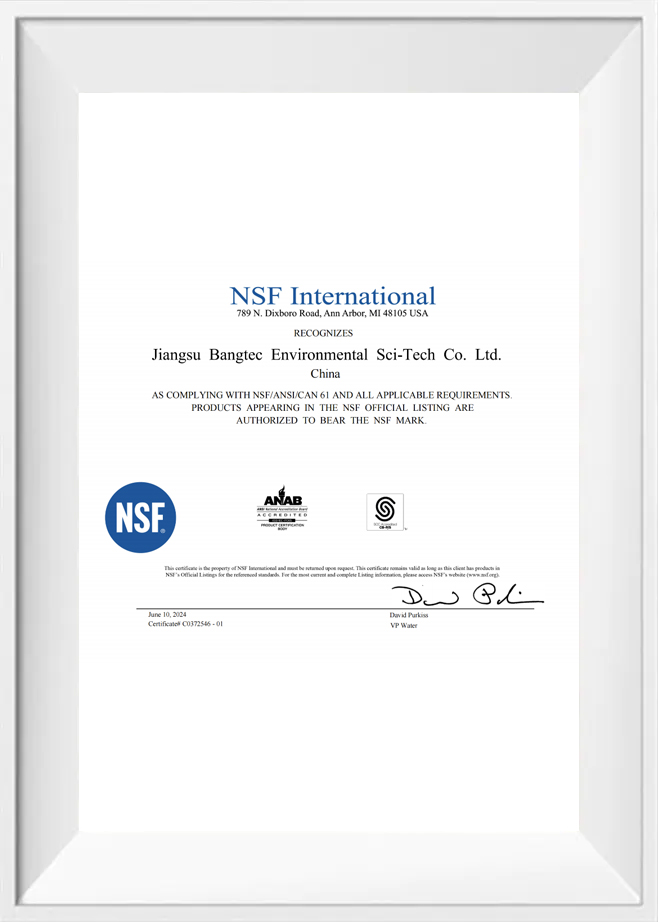
Bangtec has successively obtained the Triple Standards Integration Management System, namely ISO9001 Quality Management System, ISO14001 Environmental Management System, and ISO45001 Occupational Health and Safety Management System certifications, as well as CE certification and Jiangsu Provincial Water-related Approval. The company holds multiple domestic and international invention patents and has established three R&D institutions overseas to continuously drive the iterative upgrading of membrane sheet manufacturing processes.
Relationship Between RO Membrane Sheet and RO Membrane Element
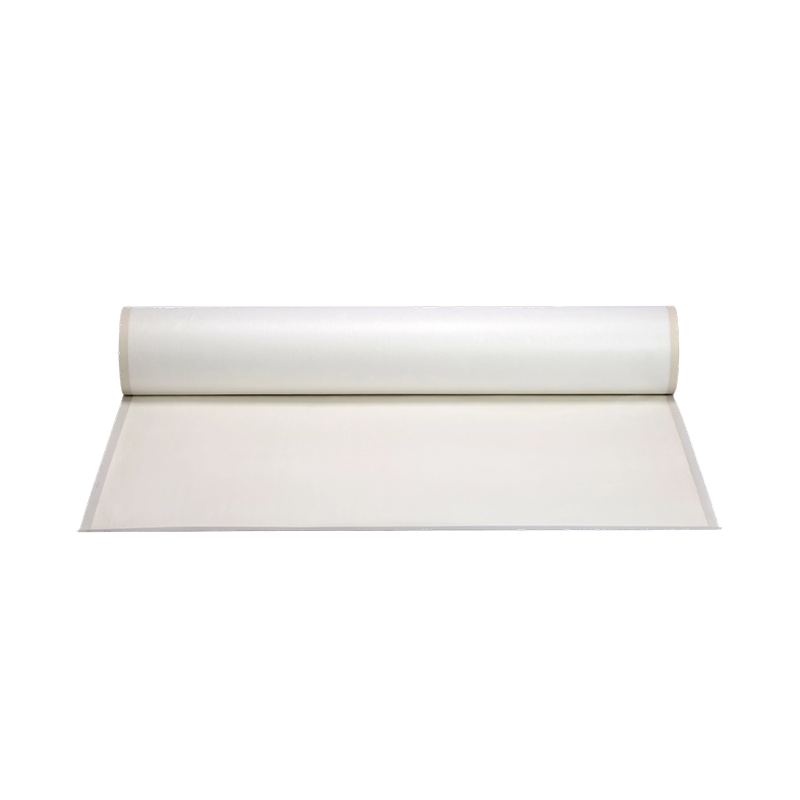
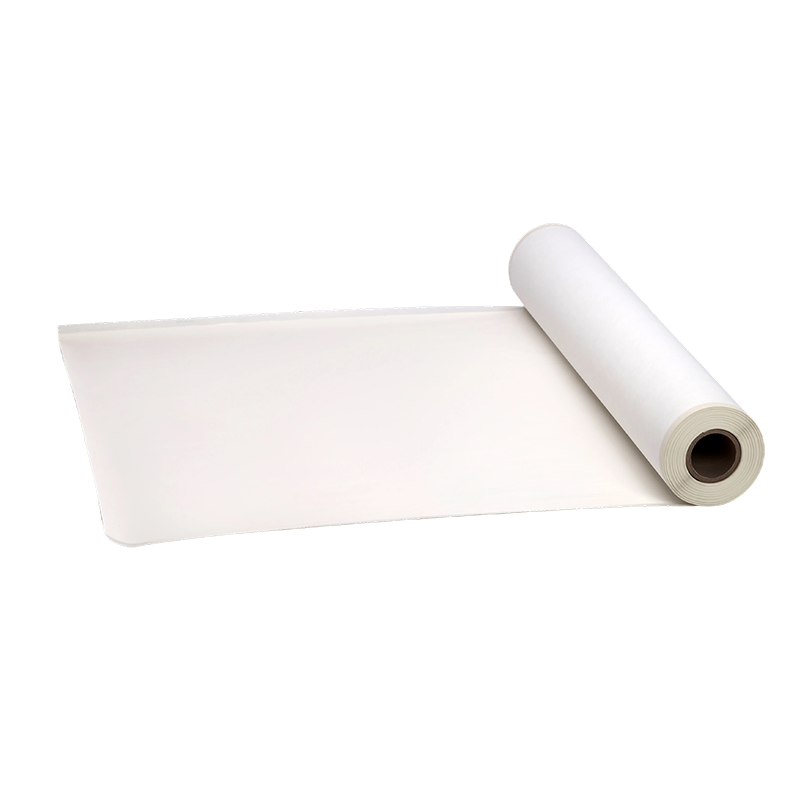
RO Membrane Sheet is the core raw material of RO Membrane Element. A standard-sized Flat Sheet, typically one meter wide in roll form, is cut, folded, bonded, and encapsulated in a housing to become an RO Membrane Element ready for direct installation in industrial systems. The performance ceiling of a membrane element is determined by the separation characteristics of the membrane sheet itself, while the flow channel design, sealing process, and housing material of the membrane element influence its actual operational performance.
Common membrane element specifications include 4-inch, 8-inch, and special custom sizes. Taking the 8-inch membrane element as an example, its interior typically contains approximately 37 square meters of effective membrane sheet area, collecting product water through the central tube and discharging concentrate through the brine channel. The rolling process of the membrane sheet directly affects the water production uniformity and fouling resistance performance of the element.
Key Points for RO Membrane Sheet Selection
When purchasing RO Membrane Sheet, it is recommended to conduct a comprehensive evaluation from the following dimensions:
| Evaluation Dimension |
Key Consideration Factors |
Recommended Standards |
| Salt Rejection Performance |
NaCl rejection rate under standard test conditions |
Greater than or equal to 99.0% (high pressure type greater than or equal to 99.5%) |
| Water Production Efficiency |
Water flux under standard test conditions |
Greater than or equal to 35 GFD (low pressure type greater than or equal to 50 GFD) |
| Chemical Compatibility |
pH range, free chlorine tolerance, cleaning agent compatibility |
pH 2-11, free chlorine less than or equal to 1.0 ppm |
| Mechanical Strength |
Tensile strength, pressure resistance |
Capable of withstanding greater than or equal to 16 bar operating pressure |
| Supplier Qualifications |
Quality certifications, patent reserves, R&D capabilities |
Triple ISO certification, invention patents greater than or equal to 5 |
| Batch Stability |
Performance deviation within the same batch |
Salt rejection rate deviation less than or equal to 0.3% |
As a professional China Flat Sheet Membrane manufacturer, Bangtec products have been validated through engineering applications across multiple industries including photovoltaics, lithium batteries, steel, electric power, chemicals, printing and dyeing, and coal chemical industries. The stability and consistency of membrane sheet performance have gained wide recognition from customers.
Frequently Asked Questions
What is the difference between RO Membrane Sheet and RO Membrane Element
RO Membrane Sheet is the raw material of the membrane element, existing in flat film form. RO Membrane Element is the finished product created by rolling or stacking membrane sheets and encapsulating them in a pressure vessel, ready for direct installation in water treatment systems. The performance ceiling of a membrane element is determined by the membrane sheet, while the flow channel design affects actual operational performance.
What scenarios are suitable for XLP RO Sheet
XLP RO Sheet, or Extra Low Pressure RO Sheet, is suitable for low salinity water sources with feed TDS below 1000 ppm, such as municipal tap water and groundwater. Its operating pressure can be as low as 0.5-1.0 MPa, achieving approximately 25% to 35% energy savings compared to standard low-pressure membranes.
What is the anti-fouling principle of FR RO Sheet
FR RO Sheet employs surface hydrophilic modification technology, introducing hydrophilic functional groups on the polyamide separation layer surface. This reduces the adsorption tendency of organic matter, colloids, and microorganisms on the membrane surface, thereby slowing the fouling rate and extending chemical cleaning intervals.
What are the storage requirements for RO Membrane Sheet
Unused RO Membrane Sheet should be stored in a cool, dry place away from direct sunlight, with temperature controlled between 5-35 degrees C and relative humidity below 70%. Wetted membrane sheets should be preserved in 1% sodium bisulfite solution to prevent microbial growth. The recommended storage period does not exceed 12 months.
How to determine when RO Membrane Sheet needs replacement
Replacement is recommended when any of the following conditions occur: water production drops by more than 15% of the initial value, salt rejection rate decreases by more than 1.5 percentage points, transmembrane pressure difference increases by more than 50% of the initial value, or performance cannot be restored to above 90% of the initial value after chemical cleaning.
What quality certifications does Bangtec RO Membrane Sheet hold
Bangtec RO Membrane Sheet has obtained ISO9001 Quality Management System, ISO14001 Environmental Management System, and ISO45001 Occupational Health and Safety Management System certifications, as well as CE certification and Jiangsu Provincial Water-related Approval. The company holds multiple domestic and international invention patents.


 EN
EN  عربى
عربى