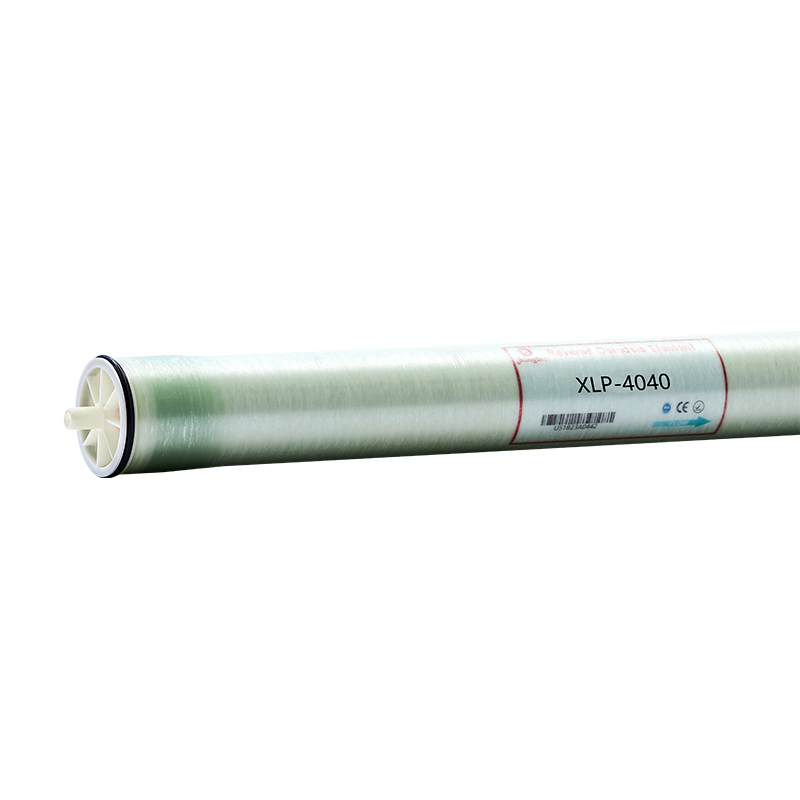
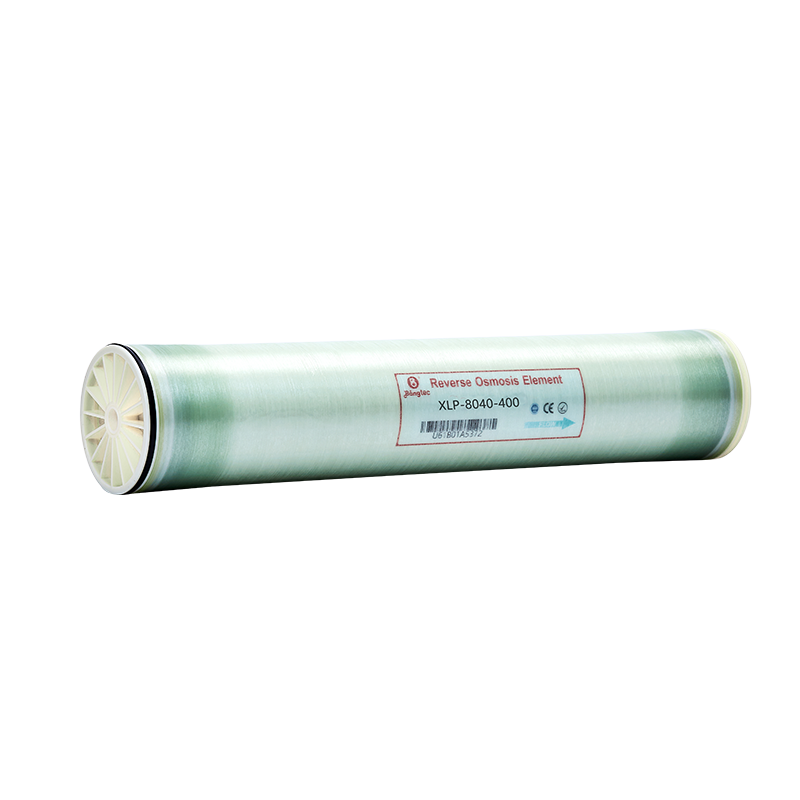
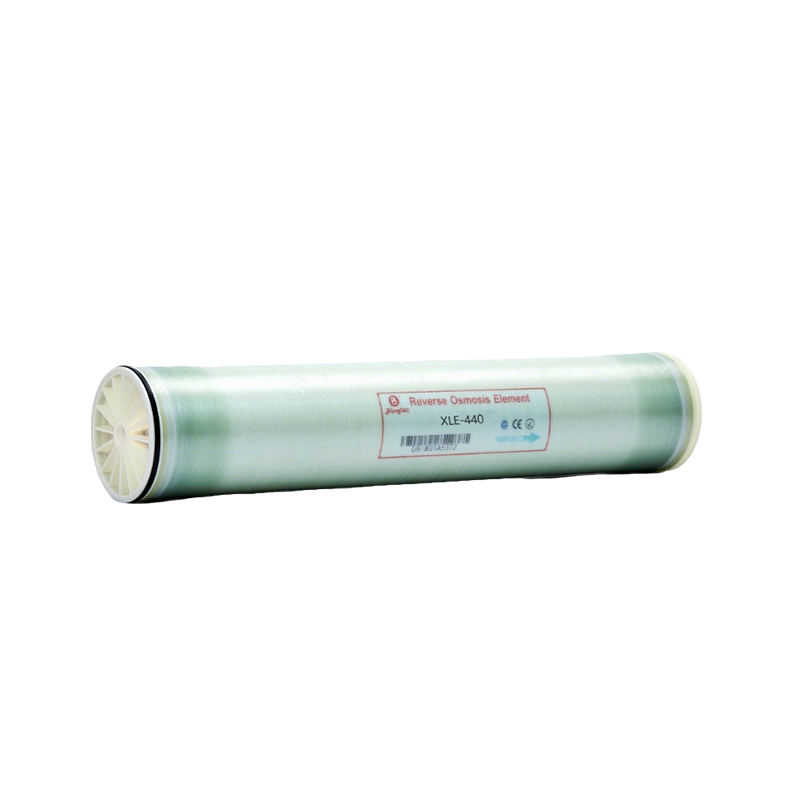
Extreme Low Pressure RO Membrane is an energy-efficient membrane element specifically engineered for low-salinity water sources, capable of achieving high salt rejection at operating pressures as low as 100 psi (0.69 MPa). Designed for feed water with TDS below 1000 ppm, including surface water, groundwater, and municipal tap water, this Extra Low Pressure RO Membrane technology operates at approximately half the pressure of conventional brackish water membranes. The significant pressure reduction translates into substantial pump energy savings and lower overall system capital expenditure. Applications span bottled drinking water production, boiler feed water, ultrapure water preparation, and second-pass treatment in two-stage RO systems. Jiangsu Bangtec Huachuang Sci-tech Co., Ltd., a leading China Extreme Low Pressure RO Membrane Manufacturer, leverages a research team led by CAS doctoral graduates and overseas R&D institutions to continuously advance Industrial XLP RO Membrane technology and industrialization.
Core Advantage: Ultra-Low Pressure Operation with Significant Energy Reduction
The defining strength of Extreme Low Pressure RO Membrane lies in delivering water flux and salt rejection comparable to conventional low-pressure membranes while operating at drastically reduced feed pressures. Under standard test conditions, XLP series membrane elements achieve stabilized salt rejection above 99.0% at 100 psi (0.69 MPa), with permeate flow rates reaching 2,600 GPD (9.8 m³/d). Compared to standard brackish water membranes requiring 225 psi, Extreme Low Pressure RO Membrane reduces pumping energy consumption by 25% to 35%, delivering compelling economic returns for municipal and light industrial water treatment applications. For feed water with TDS in the 200 to 1,000 ppm range, this membrane technology optimizes operating costs without compromising permeate quality.
Technical Principles and Membrane Structure
Extreme Low Pressure RO Membrane utilizes an aromatic polyamide thin-film composite structure. Through optimized interfacial polymerization, a thinner and more hydrophilic active layer is formed, enabling efficient water transport at lower driving forces while maintaining effective dissolved salt rejection. The feed spacer design, typically 28 mil or 34 mil, balances pressure drop reduction with fouling resistance. The research and development team at Jiangsu Bangtec Huachuang Sci-tech Co., Ltd. precisely controls polyamide cross-linking density to ensure stable rejection performance under low-pressure conditions, with technical achievements reaching internationally leading standards.
Typical Specifications and Performance Parameters
Industrial XLP RO Membrane is commonly available in standard industrial sizes 4040 and 8040, suitable for small-to-medium and large-scale water treatment systems respectively. The following table summarizes key performance indicators of mainstream XLP membrane elements:
| Model |
Active Membrane Area |
Permeate Flow |
Stabilized Salt Rejection |
Test Pressure |
Applicable Feed TDS |
| XLP-4040 |
90 ft² (8.4 m²) |
2,600 GPD (9.8 m³/d) |
99.0% - 99.2% |
100 psi (0.69 MPa) |
< 1,000 ppm |
| XLP-8040 |
400 ft² (37.2 m²) |
9,000 GPD (34.0 m³/d) |
98.0% - 99.0% |
100 psi (0.69 MPa) |
< 1,000 ppm |
| XLP-4021 |
36 ft² (3.3 m²) |
800 GPD (3.0 m³/d) |
99.2% |
100 psi (0.69 MPa) |
< 1,000 ppm |
| XLP-2540 |
28 ft² (2.6 m²) |
750 GPD (2.8 m³/d) |
99.0% |
100 psi (0.69 MPa) |
< 1,000 ppm |
Standard test conditions: 500 mg/L NaCl solution, temperature 25°C, pH 7.5-8.0, recovery rate 15%. Permeate flow tolerance: ±15%.
Primary Application Fields
Extra Low Pressure RO Membrane is widely deployed across the following sectors due to its low energy consumption profile:
- Bottled Drinking Water Production: Direct treatment of municipal tap water or groundwater to meet bottled water hygiene standards, with energy consumption reduced by over 30% compared to conventional RO.
- Boiler Feed Water: Provision of low-hardness, low-TDS makeup water for industrial boilers, preventing scale formation and improving thermal efficiency.
- Ultrapure Water Preparation: Serving as the second-stage membrane in dual-pass RO systems to further reduce permeate conductivity, supplying high-purity water for electronics and pharmaceutical industries.
- Municipal Water Supply Treatment: Desalination of surface water or low-salinity groundwater, suitable for municipal projects with daily capacities ranging from thousands to tens of thousands of cubic meters.
- Food Processing: Supplying process water for beverages, dairy products, and brewing, ensuring product taste and safety.
System Design and Operation Guidelines
When deploying Extreme Low Pressure RO Membrane systems, the following design parameters require careful attention:
- Feed SDI15: Must be controlled below 5.0. Pretreatment via multimedia filtration, activated carbon filtration, and cartridge filtration is recommended.
- Free Chlorine Tolerance: The upper limit for free chlorine is 0.1 mg/L. Feed water requires dechlorination or neutralization using reducing agents such as sodium bisulfite.
- Operating Temperature: Continuous operating range is 3-45°C, with optimal performance near 25°C. Permeate flow increases by approximately 3% for each 1°C rise in temperature.
- pH Range: Continuous operation pH 3-10; chemical cleaning pH 1-13. Operation outside these ranges may accelerate membrane hydrolysis or oxidative degradation.
- Maximum Pressure Drop: The maximum allowable pressure drop per element is 15 psi (0.1 MPa). System designs should incorporate at least a 20% safety margin.
Energy Comparison and Economic Analysis
Using a 100 m³/d system treating municipal water with 1,000 ppm TDS as an example, the following table compares operating costs between Extreme Low Pressure RO Membrane and standard brackish water membranes:
| Comparison Item |
Standard Brackish Water Membrane |
Extreme Low Pressure RO Membrane |
| Operating Pressure |
225 psi (1.55 MPa) |
100 psi (0.69 MPa) |
| Pumping Power Estimate |
Approx. 18.5 kW |
Approx. 8.2 kW |
| Annual Energy (8,000 hours) |
148,000 kWh |
65,600 kWh |
| Annual Electricity Cost (USD 0.11/kWh) |
USD 16,280 |
USD 7,216 |
| Annual Energy Savings |
— |
USD 9,064 |
| Three-Year Cumulative Savings |
— |
Approx. USD 27,192 |
These figures demonstrate that Extreme Low Pressure RO Membrane can save nearly USD 27,000 in electricity costs alone over a three-year operating cycle. Additionally, low-pressure operation reduces mechanical wear on piping, valves, and pump assemblies, further compressing maintenance expenditures.
Bangtec Technical Strength and Quality Assurance
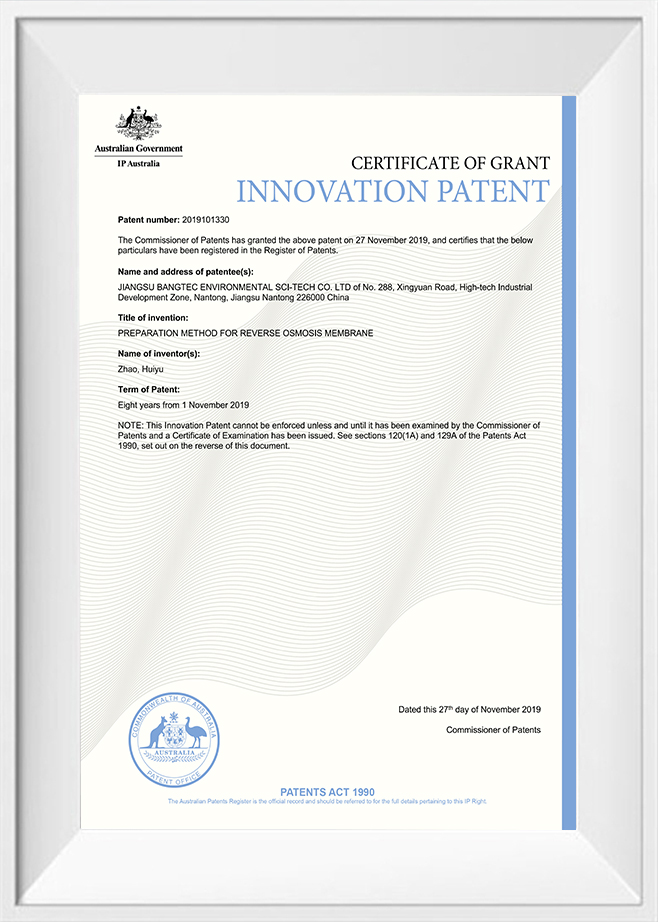
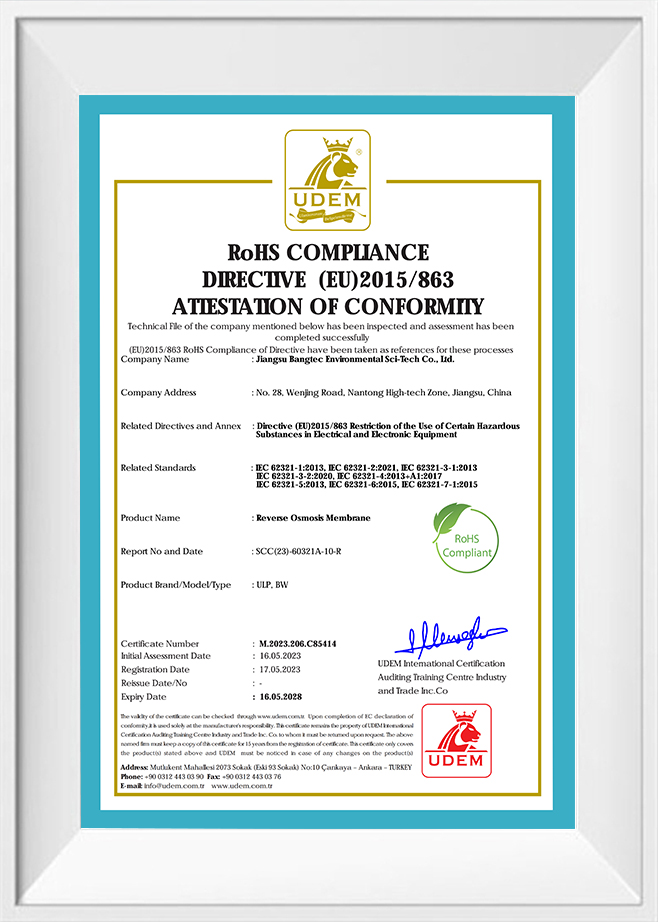
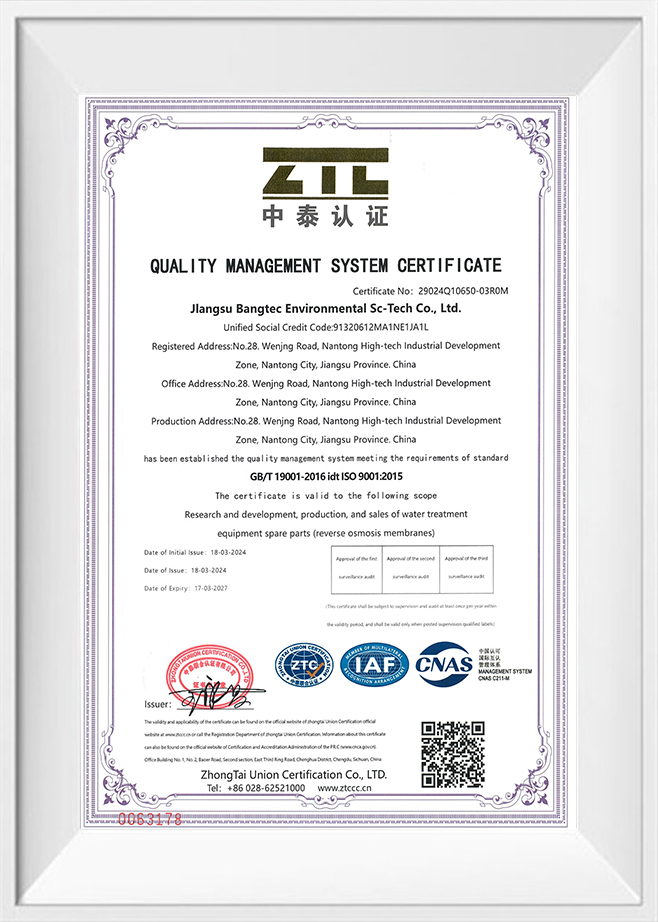
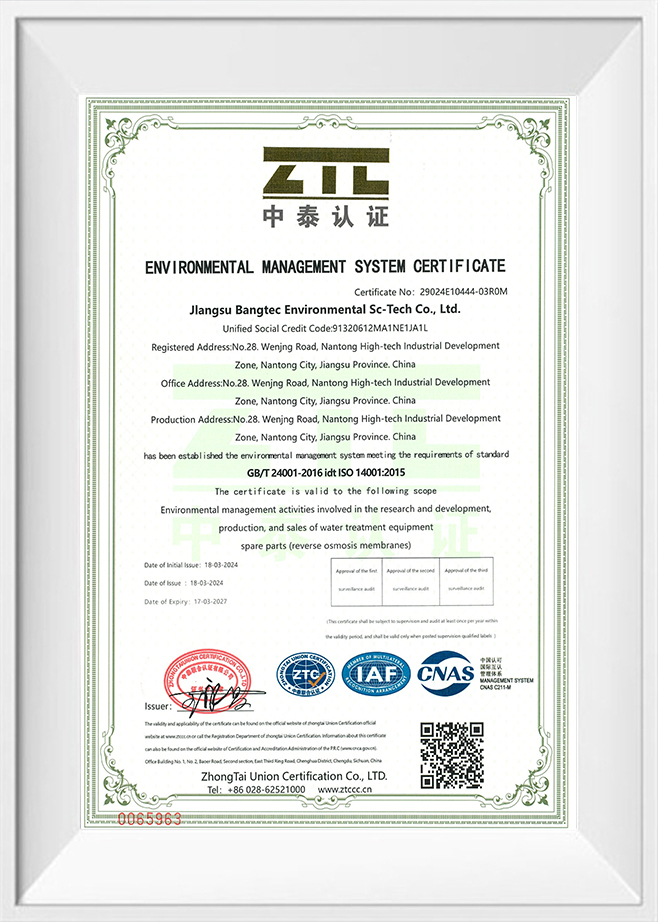
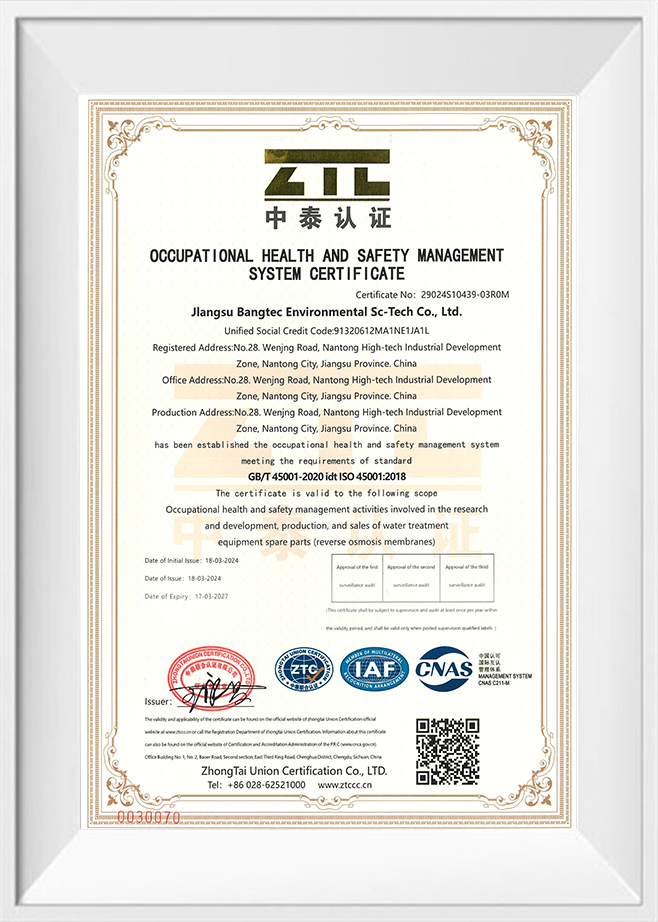
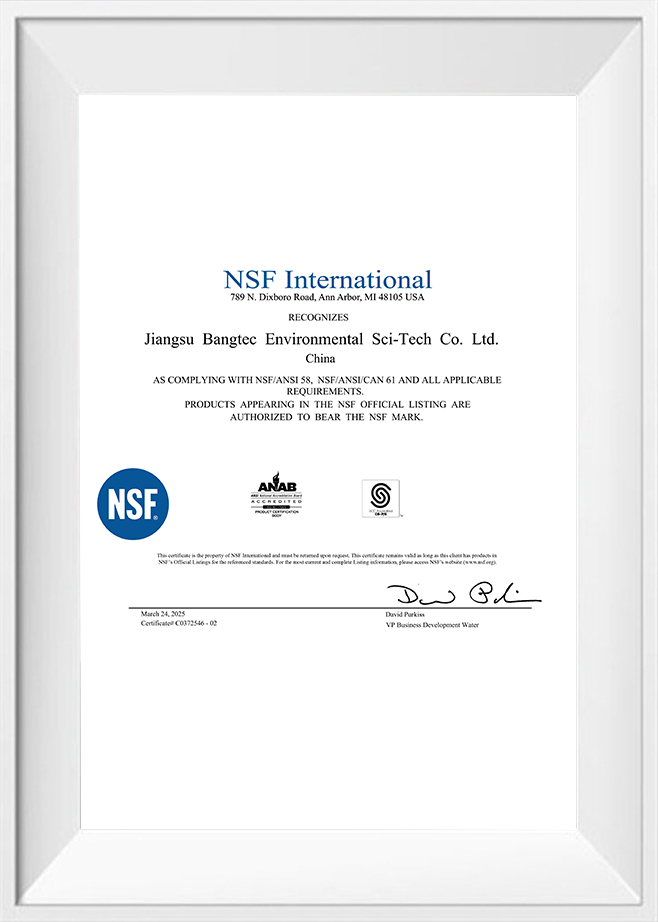
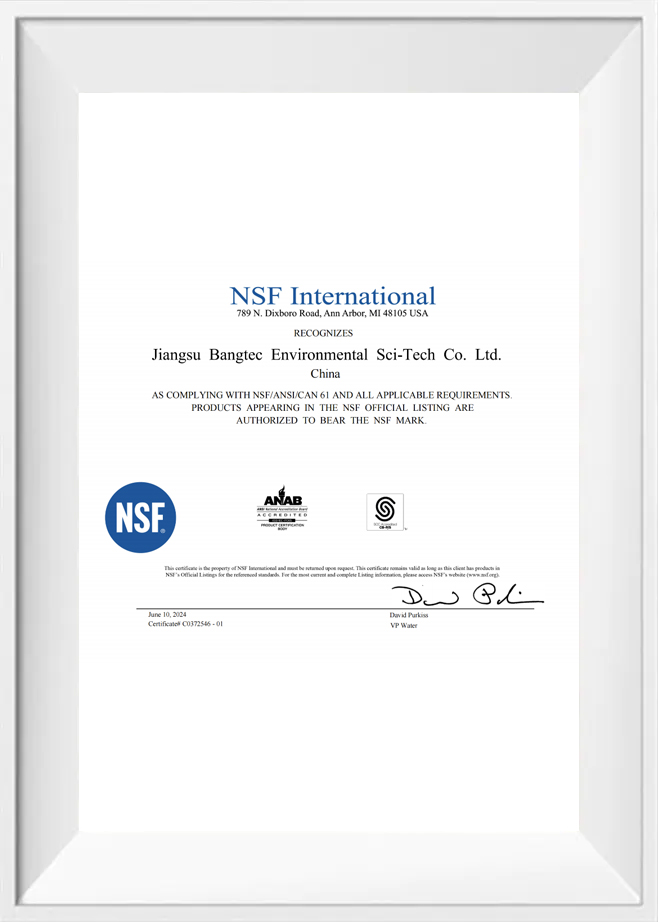
Jiangsu Bangtec Huachuang Sci-tech Co., Ltd., as an Extreme Low Pressure RO Membrane Supplier, has established a comprehensive product portfolio covering high, medium, and low-pressure reverse osmosis membranes, anti-fouling membranes, and special separation nanofiltration membranes. The company has obtained ISO9001 Quality Management System, ISO14001 Environmental Management System, and ISO45001 Occupational Health and Safety Management System certifications, along with CE certification and Jiangsu Provincial Water-Related Product Approval. With three overseas R&D institutions led by CAS doctoral graduates and returned overseas high-level talents, Bangtec continuously drives membrane material innovation. Product performance has been verified by third-party organizations to reach internationally leading levels, serving water treatment systems across photovoltaics, lithium batteries, steel, electric power, chemicals, printing and dyeing, and coal chemical industries.
Frequently Asked Questions
Difference Between Extreme Low Pressure and Ultra Low Pressure RO Membranes
Extreme Low Pressure RO Membrane (XLP) typically operates at 100 psi (0.69 MPa), lower than Ultra Low Pressure (ULP) membranes which generally operate at 110-150 psi. XLP membranes are specifically designed for ultra-low salinity feed water below 1,000 ppm TDS, offering more pronounced energy advantages.
Is This Membrane Suitable for Seawater Desalination
No. Extreme Low Pressure RO Membrane is designed for low-salinity brackish and municipal water. Seawater TDS typically reaches 35,000 ppm, far exceeding the design range of XLP membranes. Seawater desalination requires specialized seawater reverse osmosis membranes (SWRO) operating at 800-1,200 psi.
Expected Membrane Element Service Life
Under proper pretreatment, operation, and maintenance conditions, Industrial XLP RO Membrane service life typically ranges from 3 to 5 years. Key influencing factors include feed SDI value, free chlorine exposure, cleaning frequency, and chemical cleaning agent selection. Bangtec recommends quarterly normalized performance assessments, initiating cleaning procedures when permeate flow declines by 10-15% or salt rejection decreases.
Can Existing Standard Membranes Be Directly Replaced
In most cases, yes. XLP-4040 and XLP-8040 membrane elements conform to standard industrial dimensions and can be installed directly into existing pressure vessels. However, prior to replacement, the existing pump performance curve must be evaluated. If the original system was designed for 225 psi, switching to XLP membranes requires reducing operating pressure via variable frequency drives (VFD) or valve adjustment to prevent over-pressurization and membrane damage.
Pretreatment Requirements
Standard pretreatment for Extreme Low Pressure RO Membrane systems includes: multimedia filtration (suspended solids removal), activated carbon filtration (chlorine and organics removal), and 5-micron cartridge filtration (particulate removal). Feed SDI15 must be below 5.0, turbidity below 1 NTU, and free chlorine concentration below 0.1 mg/L. For high-organic water sources, ultrafiltration pretreatment is recommended.
Does Bangtec Offer Customized Membrane Products
Yes. Jiangsu Bangtec Huachuang Sci-tech Co., Ltd. supports customized Extreme Low Pressure RO Membrane solutions tailored to specific water quality conditions, permeate capacity requirements, and system configurations. Customers may provide feed water analysis reports, target permeate flow rates, and recovery rate specifications. The Bangtec engineering team will complete membrane model recommendations and operating parameter estimates within 24 hours.


 EN
EN  عربى
عربى