Content
A brackish water RO membrane is a spiral-wound reverse osmosis element built to desalinate feed water with total dissolved solids between roughly 1,000 and 10,000 ppm, such as groundwater, surface water, tap water, and low-salinity industrial process water. Operating at a moderate feed pressure of about 0.6 to 2.1 MPa, it uses a thin-film composite polyamide layer to reject dissolved salts, hardness ions, organics, and microorganisms while letting purified water pass through, typically reaching a salt rejection rate of 98.5 percent to 99.5 percent.
Because brackish water sits between fresh water and seawater in salinity, this membrane category is engineered around a different pressure and flux balance than a seawater element. It is the workhorse membrane behind municipal water plants, boiler feed pretreatment, food and beverage production lines, and a long list of industrial reuse systems that do not need the extreme pressure ratings a seawater membrane demands.
The membrane works on selective permeability. Once the applied pressure exceeds the osmotic pressure of the feed solution, water molecules migrate through the polyamide rejection layer while sodium, chloride, calcium, magnesium, sulfate, and larger organic molecules are held back on the concentrate side. Because the surface charge of the film is tuned during manufacturing, divalent ions such as calcium and magnesium are rejected more effectively than monovalent ions such as sodium and chloride, which is why hardness drops out fast even before total salinity does.
In a typical run with 3,000 ppm feed water, permeate conductivity can fall below 30 microsiemens per centimeter, which is clean enough to feed directly into boiler makeup systems or a downstream EDI polishing stage for electronic-grade ultrapure water. This balance of moderate pressure and strong rejection is exactly why the brackish water category, rather than a seawater or nanofiltration element, is chosen for most inland and municipal projects.
Membrane suppliers generally split the brackish water lineup into pressure tiers so operators can match energy consumption to the actual salinity of their source water, plus a fouling-resistant variant for difficult feed streams.
| Series | Feed Water Salinity | Typical Salt Rejection | Operating Pressure |
| Low-Pressure BW | 1,000 - 3,000 ppm | 98.5% or higher | 0.6 - 1.0 MPa |
| Medium-Pressure BW | 3,000 - 7,000 ppm | 99.0% or higher | 1.0 - 1.6 MPa |
| High-Pressure BW | 7,000 - 10,000 ppm | 99.2% or higher | 1.6 - 2.1 MPa |
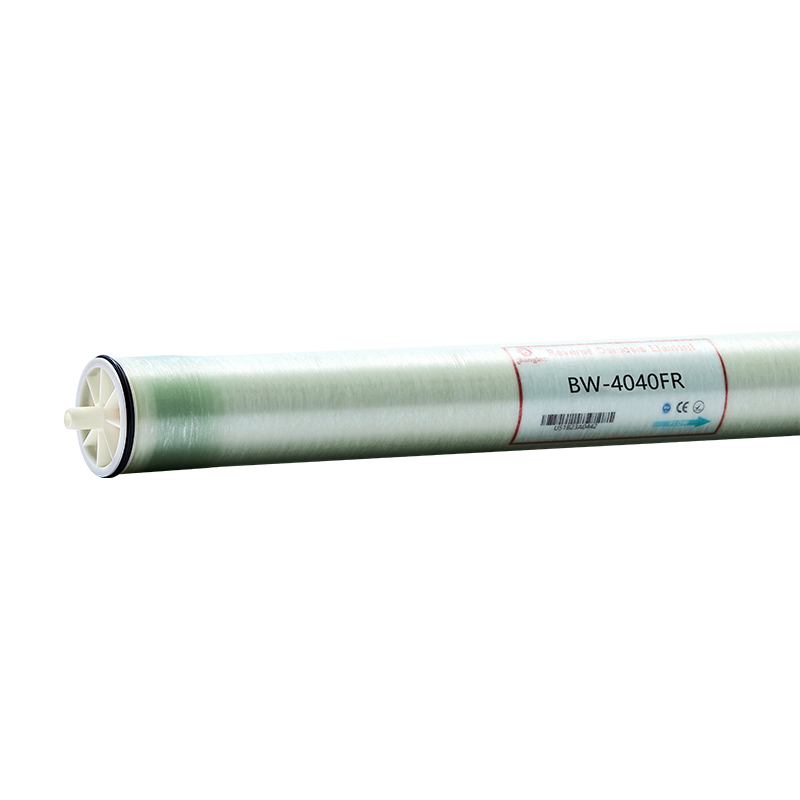
| BW-FR Fouling Resistant | High SDI feed water | 98.8% or higher | 1.0 - 1.8 MPa |
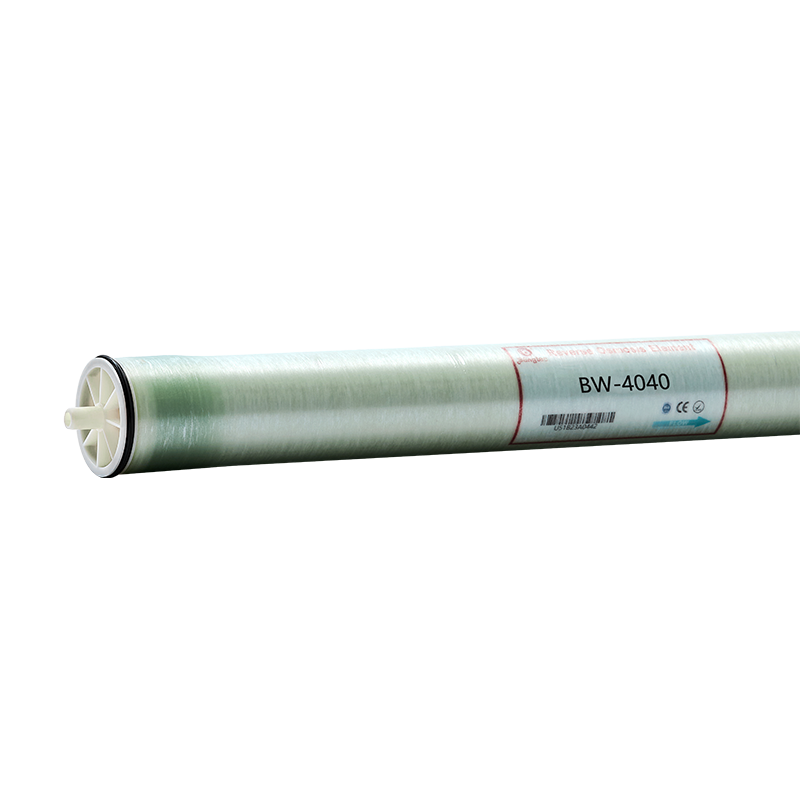
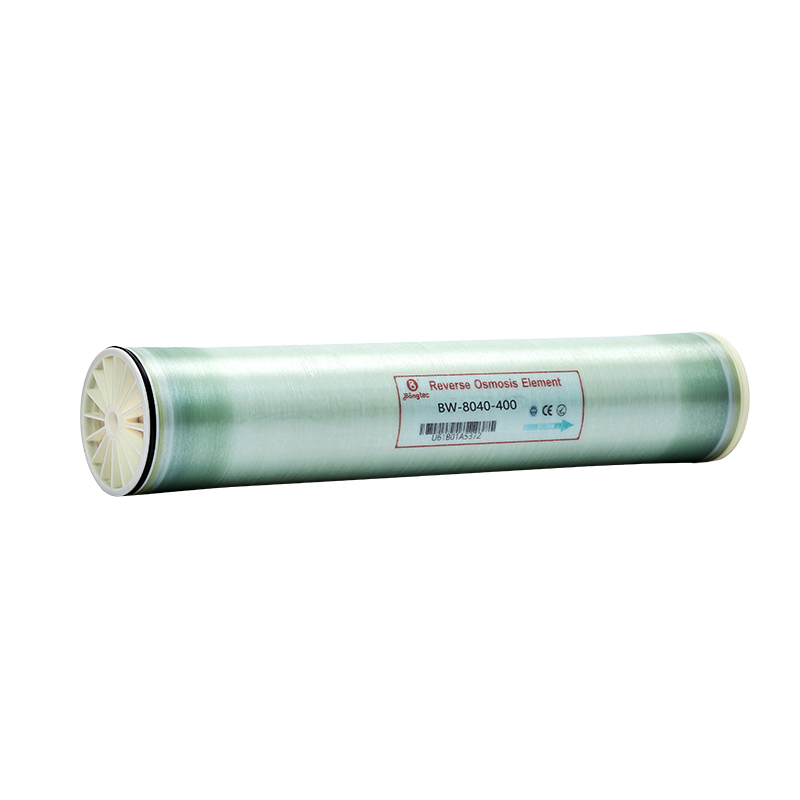
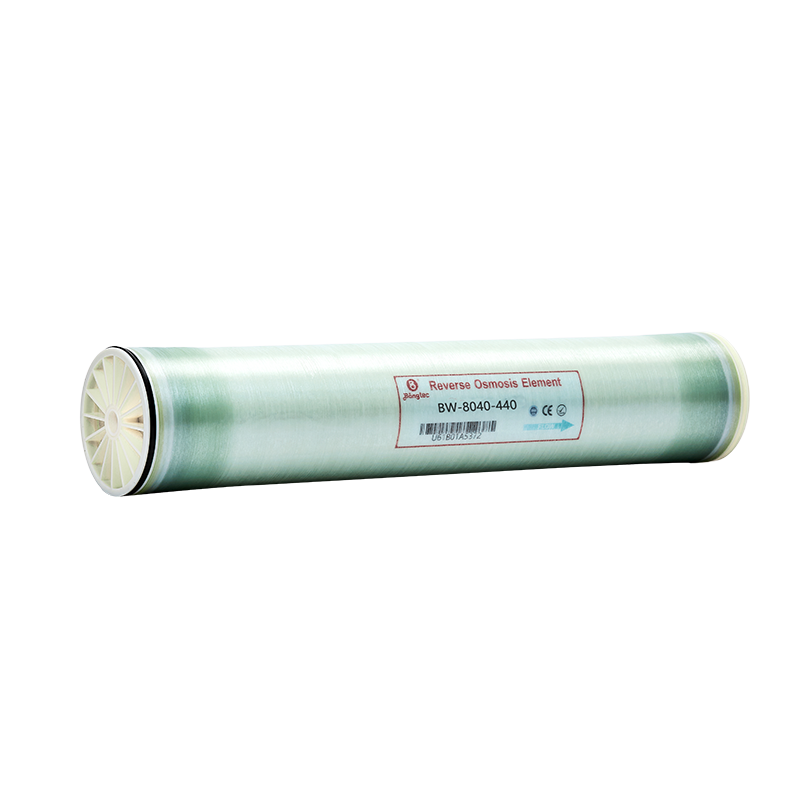
The 4040 (4-inch by 40-inch) and 8040 (8-inch by 40-inch) housings remain the two most common formats. A 4040 brackish element suits small pure water skids and laboratory systems with an output around 1.0 to 1.5 tons per hour, while an 8040 element covers large municipal or industrial trains, delivering roughly 7.5 to 9.5 tons per hour per element with far fewer housings needed for the same total capacity.
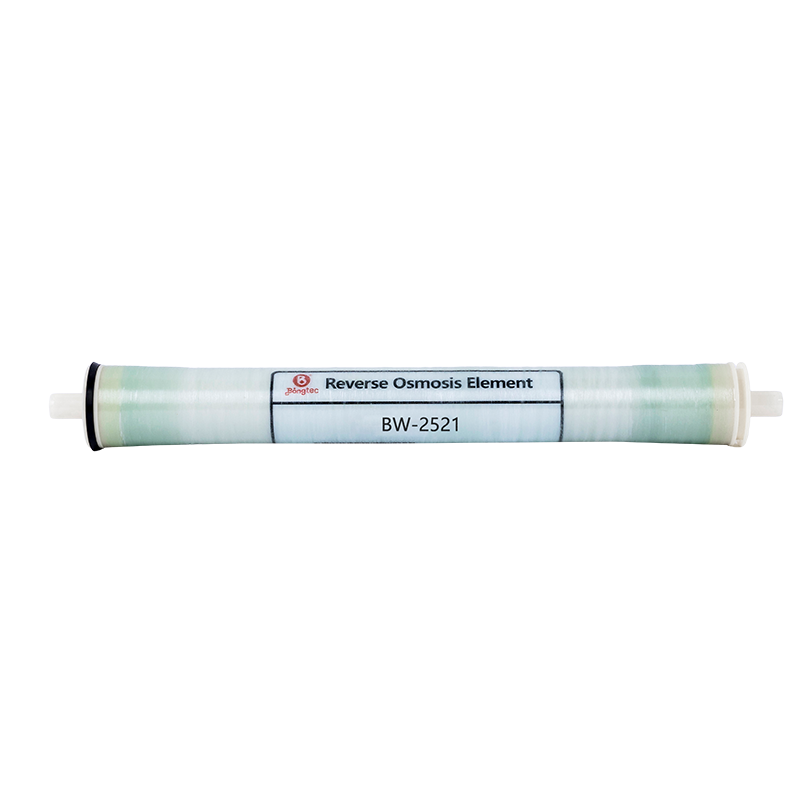
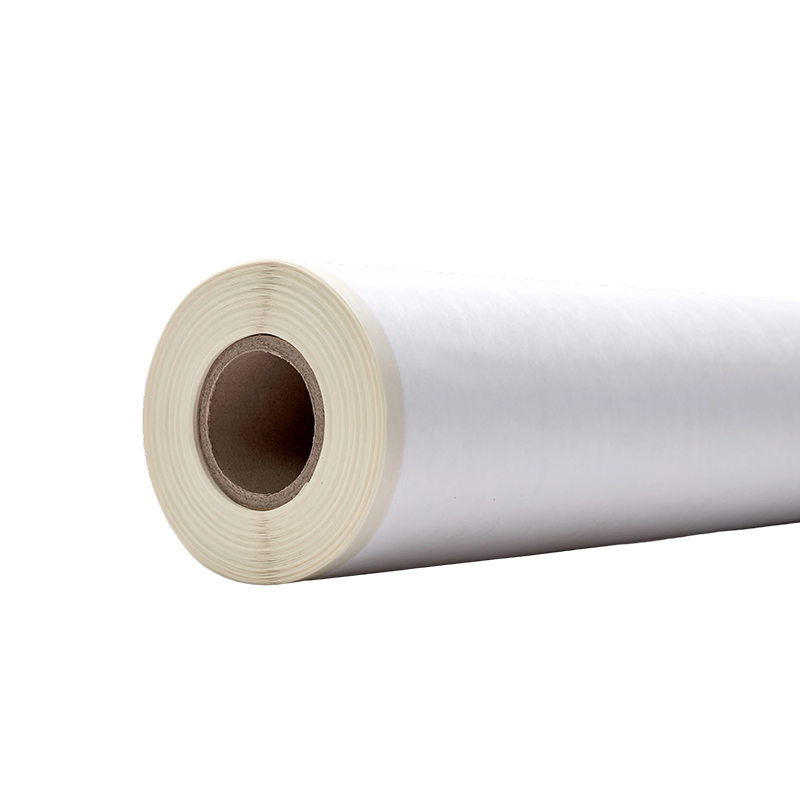
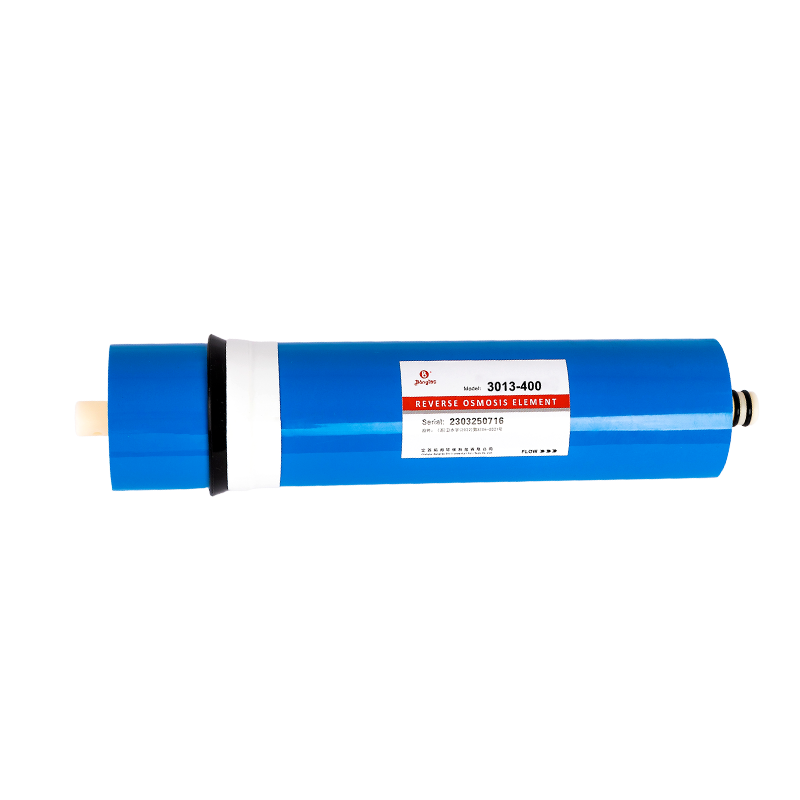
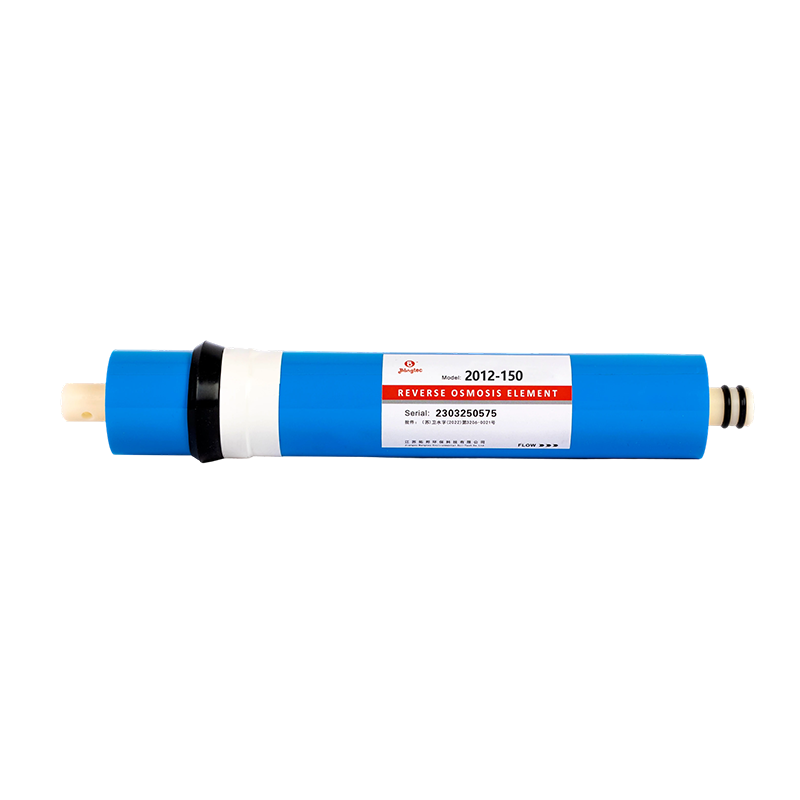
Five configurations covering industrial 8-inch elements, compact commercial housings, and flat sheet stock, so a treatment train can be sized from a small clinic to a multi-hundred-ton municipal plant using one consistent membrane chemistry.
Industrial demand for this membrane category has moved well beyond simple desalination into full process-water solutions across several heavy industries.
These two categories are sometimes confused because both are reverse osmosis elements, but they are not interchangeable.
| Attribute | Brackish Water RO Membrane | Seawater RO Membrane |
| Feed Salinity | 1,000 - 10,000 ppm | Above 35,000 ppm |
| Operating Pressure | 0.6 - 2.1 MPa | 5.5 - 6.9 MPa |
| Housing Pressure Rating | Standard-duty | Reinforced, high-pressure |
| Typical Use | Groundwater, municipal supply, industrial process water | Ocean water desalination |
Choosing between the low, medium, high-pressure, and fouling-resistant series comes down to four data points from the source water report.
Under standard operating conditions, a brackish water RO membrane element is designed for a three to five year service life, though the real number depends heavily on pretreatment quality. A typical pretreatment train includes multimedia filtration to bring turbidity below 1 NTU, activated carbon filtration to strip residual chlorine below 0.1 ppm, 5-micron cartridge filtration ahead of the membrane housing, and softening or antiscalant dosing where hardness or scaling risk is high.
Replacement is generally justified once permeate flow drops more than 15 percent from its initial value, salt rejection falls more than 1.5 percentage points, transmembrane pressure rises more than 20 percent, or a chemical clean-in-place cycle fails to restore performance to 90 percent of the original benchmark. Tracking normalized flow and rejection on a monthly basis makes these thresholds easy to catch early.
It is designed for feed water between roughly 1,000 and 10,000 ppm total dissolved solids, which covers most groundwater, surface water, and low-salinity industrial process streams.
The BW series is built for conventional brackish water with a normal fouling tendency. The BW-FR series adds a wider feed spacer and modified surface chemistry to resist fouling in high SDI, high turbidity, or organic-heavy water sources.
Three to five years under standard conditions with proper pretreatment. Poor feed water quality or infrequent cleaning can shorten that considerably, while well-maintained systems have run stably beyond four years.
No. A brackish water membrane is built for lower feed pressure and a thinner rejection layer than a seawater membrane, and it is not rated for the 5.5 to 6.9 MPa pressures that seawater desalination requires.
A standard train includes multimedia filtration, activated carbon filtration, 5-micron cartridge filtration, and softening or antiscalant dosing when hardness or scaling risk is elevated.
A brackish water RO membrane sits at the center of most inland water treatment systems because it hits the right balance between energy cost and salt rejection for the 1,000 to 10,000 ppm salinity range. Matching the right pressure tier, choosing a fouling-resistant series when the SDI calls for it, and keeping pretreatment consistent are what actually determine whether an element lasts three years or five.
Popular Products

+86-513 8659 8187
+86-189 6299 3952
No.28 Wenjing Road, Nangtong High-tech Industrial Development Zone, Jiangsu Province, China


 EN
EN  عربى
عربى