Content
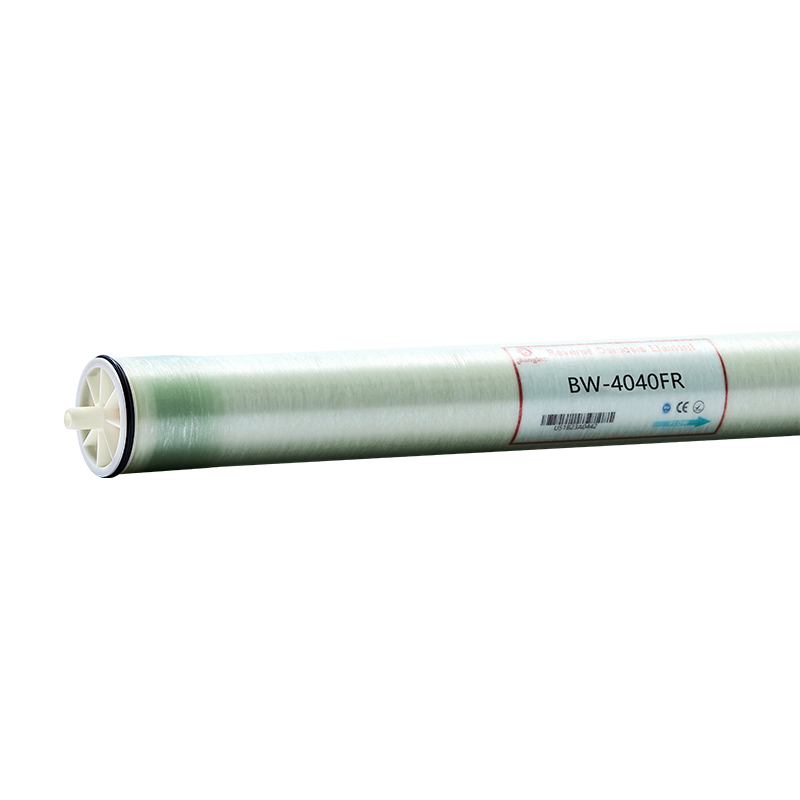
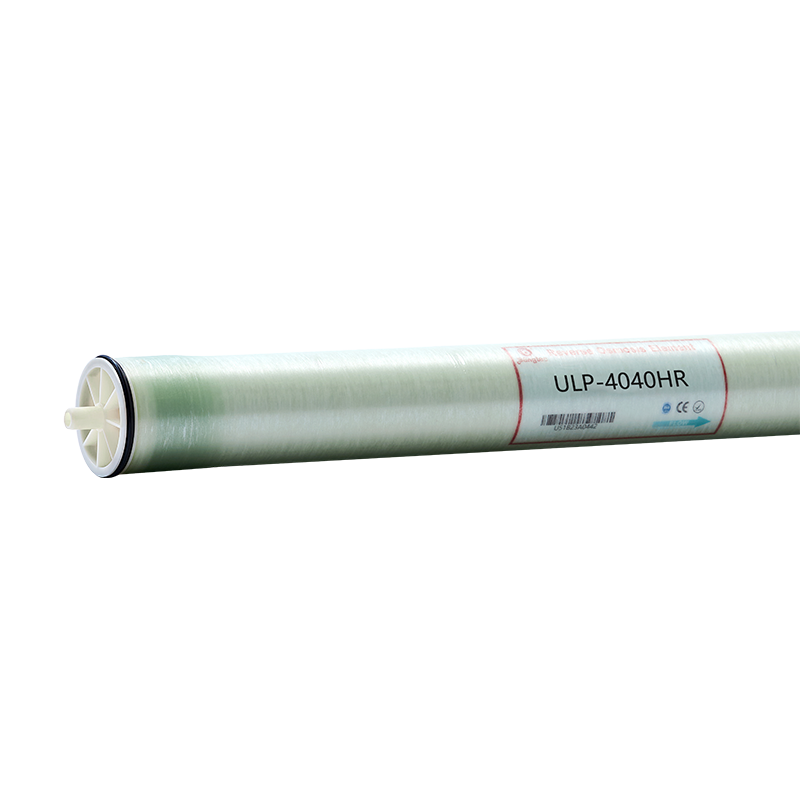
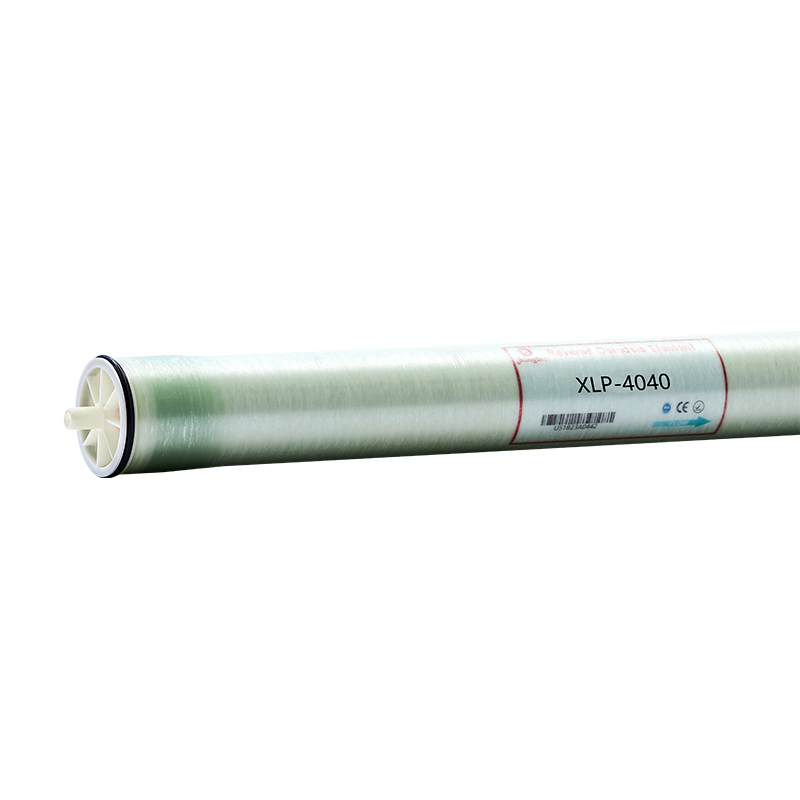
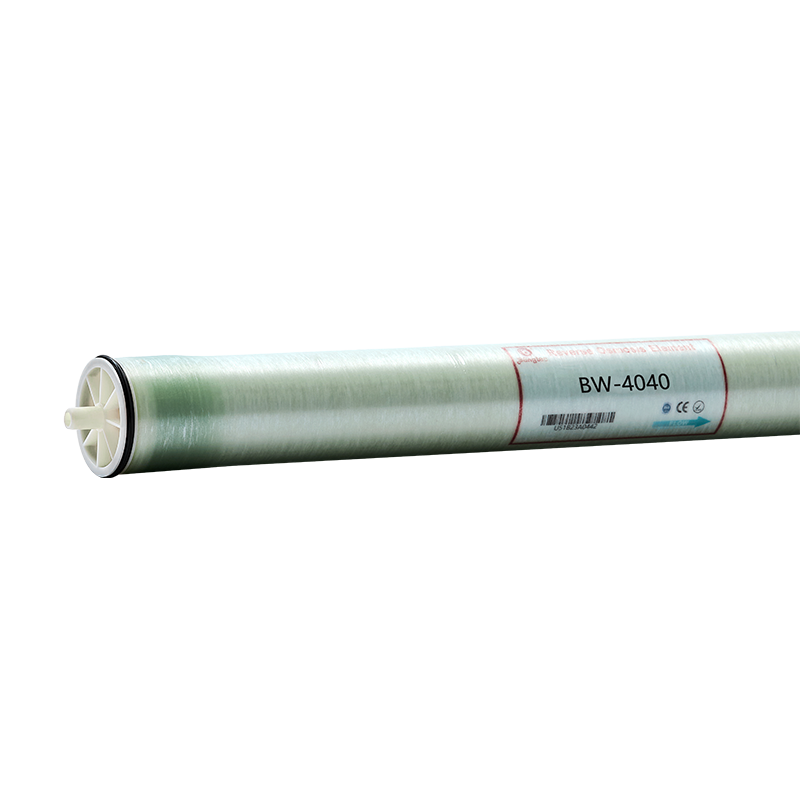
A Fouling Resistance RO Membrane is a reverse osmosis element built with a hydrophilic, low-adhesion surface and a wide feed channel, engineered specifically to slow the buildup of organic matter, colloids, and microorganisms on the membrane face. In practical terms, this means longer intervals between chemical cleanings, more stable permeate flow, and a longer working life when treating water with elevated turbidity, organics, or biological load compared with a standard reverse osmosis membrane.
Conventional reverse osmosis membranes are optimized for salt rejection and flux, not for resisting deposits. When feed water carries organic matter, colloids, or biological content, particles accumulate across the membrane surface and inside narrow feed spacers. The result is rising differential pressure, declining permeate flow, and a shortened service life. A Fouling Resistance RO Membrane addresses this at the material level rather than relying only on pretreatment.
Two design choices separate a Fouling Resistance RO Membrane from a general-purpose element. The first is surface chemistry: a specialized polyamide composite treatment adjusts hydrophilicity, surface charge, and roughness so that organic and biological matter has less opportunity to attach and accumulate. The second is mechanical: a widened flow channel design lowers the risk of stagnant zones where sediment would otherwise settle, which also reduces pressure drop across the element. Together, these two factors are what allow an anti-fouling RO Membrane Element to hold its rejection rate and flux over a longer operating window than a conventional design.
Feed water conditions vary widely by sector, and cleaning intervals shift accordingly. The figures below reflect typical field performance for anti-fouling reverse osmosis elements.
| Application Field | Typical Feed Conditions | Rejection Rate | Cleaning Interval |
| Photovoltaic Ultrapure Water | TOC below 5 mg/L, SDI below 3 | 99.5% or higher | 90 to 120 days |
| Lithium Battery Process Water | Conductivity below 2000 uS/cm | 99.2% or higher | 60 to 90 days |
| Steel Circulating Cooling Water | Turbidity 5 to 20 NTU | 98.5% or higher | 45 to 60 days |
| Printing and Dyeing Wastewater Reuse | COD 80 to 200 mg/L | 97.0% or higher | 30 to 45 days |
| Coal Chemical High-Salinity Water | TDS 5000 to 15000 mg/L | 98.0% or higher | 30 to 50 days |
Even in demanding conditions such as printing and dyeing wastewater reuse, a properly specified Fouling Resistance RO Membrane holds rejection above 97 percent, which is well above what a standard element typically sustains once organic loading rises.
Beyond the fouling-resistant series, Bangtec produces a full line of Industrial RO Membrane elements covering ultra low pressure, extreme low pressure, brackish water, and sea water applications, each engineered around a wide-channel spacer and consistent salt rejection performance.
Choosing the right Fouling Resistance RO Membrane comes down to matching membrane characteristics to feed water quality and system goals. The criteria below carry the most weight in that decision.
Polyamide composite membranes are the mainstream choice, with the surface requiring hydrophilic or charge modification to resist fouling.
A 34 mil wide-channel spacer design reduces concentration polarization and limits where pollutants can accumulate.
Low-pressure models under 1.5 MPa suit municipal reclaimed water, while high-pressure models above 4.0 MPa are built for sea water desalination.
Standard models run 98.0 to 99.0 percent rejection, while high-rejection models exceed 99.5 percent for demanding terminal water quality needs.
Standard 4040 elements at roughly 7.9 square meters and 8040 elements at roughly 37 square meters cover most water production capacity needs.
The element should tolerate common cleaning agents such as citric acid, sodium hydroxide, and sodium hypochlorite within the specified pH range.
An anti-fouling design extends cleaning intervals, but it does not remove the need for disciplined operation. The following practices keep a Fouling Resistance RO Membrane performing at its rated level.
The core distinction is surface characteristics and flow channel structure. Anti-fouling membranes use hydrophilic modification to reduce pollutant adhesion and a wide-channel design to limit dead-zone deposition, which can extend cleaning intervals by more than 40 percent in feed water with high organic content or turbidity.
These membranes are built to treat industrial wastewater and process water with SDI up to 4, turbidity up to 20 NTU, and COD up to roughly 200 mg/L, delivering rejection rates from 97.0 to 99.5 percent depending on the specific model.
Under standardized pretreatment and regular maintenance, anti-fouling membranes typically achieve a service life of 3 to 5 years, and can exceed 5 years in stable applications such as photovoltaic ultrapure water systems.
Initiate cleaning when standardized water production drops more than 10 percent, rejection rate falls more than 1 percent, or transmembrane pressure rises more than 15 percent from the initial values. Keeping operational records supports predictive maintenance.
Yes. Selection, system design, and application support can be tailored to specific feed water parameters, production capacity, and rejection rate targets for a given site.
As industrial water discharge standards tighten and zero-discharge policies expand, demand for the Fouling Resistance RO Membrane category continues to grow. Ongoing development is focused on nano-coating technology for further anti-fouling gains, wide-channel and low-pressure-drop designs that cut energy use, and intelligent monitoring integration that supports predictive maintenance rather than reactive cleaning. Backed by research and development teams and three overseas R&D institutions, Jiangsu Bangtec Huachuang Sci-tech Co., Ltd. continues to develop high-end nanofiltration membrane products, positioning itself as a reliable Fouling Resistance RO Membrane supplier and Fouling Resistance RO Membrane manufacturer for photovoltaic, lithium battery, steel, power, chemical, and coal chemical applications worldwide.
Popular Products

+86-513 8659 8187
+86-189 6299 3952
No.28 Wenjing Road, Nangtong High-tech Industrial Development Zone, Jiangsu Province, China


 EN
EN  عربى
عربى