
Content
Whether you are managing a home drinking water system or overseeing an industrial treatment train, the question always comes up: how long does an RO membrane last? The straightforward answer is that most reverse osmosis membranes perform well for 2 to 5 years, with some industrial elements reaching 7 years under ideal conditions. The real answer, however, is that lifespan is determined by feed water chemistry, pretreatment, operating parameters, and maintenance discipline. In this guide, we will explain typical service life, the factors that shorten or extend it, and how to recognize when replacement is truly needed.
An RO membrane is a semi-permeable barrier that rejects dissolved salts, organic molecules, and pathogens while allowing water molecules to pass under pressure. Over time, the membrane accumulates foulants, suffers from scaling, and may be damaged by oxidants or extreme conditions. This degradation is why a membrane has a finite service life rather than lasting forever. The rate of degradation depends on how well the system is designed and maintained, not just on the membrane material itself.
Industry surveys and field reports consistently place the typical RO membrane lifespan between 2 and 5 years. Residential membranes often need replacement after 2–3 years, commercial elements can last 3–4 years, and industrial membranes with robust pretreatment can operate for 4–7 years. The table below summarizes representative ranges based on application and feed water quality.
| Application | Feed Water | Expected Range |
|---|---|---|
| Residential | Municipal, low TDS | 2–3 years |
| Residential | Well water with hardness | 1–2 years |
| Commercial | Pretreated and softened | 3–4 years |
| Industrial | Pretreated with anti-scalant | 4–7 years |
| Seawater | Proper pretreatment | 3–5 years |
Several variables determine whether an RO membrane lasts two years or stays stable for five. Understanding these factors helps you plan maintenance and budget clearly.
Feed water with high total dissolved solids increases osmotic pressure and the risk of scaling. Hardness components like calcium and magnesium can precipitate as carbonate or sulfate scales on the membrane surface. Free chlorine reacts irreversibly with the polyamide layer, so any contact with chlorine, even briefly, destroys rejection. Iron, manganese, silica, and organic matter can also form tenacious fouling films.
Proper sediment filtration, carbon adsorption for chlorine removal, and antiscalant dosing prevent most premature failures. Undersized pretreatment or poor media replacement is a primary cause of early membrane change-out. Design elements like feed pressure, recovery ratio, and flow distribution determine how much stress a membrane element experiences during normal operation.
Pressure above the maximum rated value accelerates membrane compaction and reduces salt rejection over time. Temperatures above 45 °C degrade the membrane polymer. High recovery percentages push the last element into a concentration zone where sparingly soluble salts crystallize. Conversely, operation below the minimum concentrate flow can cause severe concentration polarization.
Membranes that receive periodic cleanings and performance tracking last considerably longer. Operators should log normalized permeate flow, salt passage, and pressure drops weekly. A cleaning step is usually required when normalized flow drops by 10–15% or salt passage rises by 10–20% from baseline. Waiting too long makes foulants harder to remove and leads to irreversible damage.
Even with excellent care, every membrane eventually reaches the end of its useful life. Here are the most reliable signs that it is time to replace the element rather than clean it again.
The routine decisions made by operators and homeowners have a big impact on membrane life. These measures require only modest effort and can often add one or two years of useful service.
The service life of an RO membrane is not the same across every installation. Residential, commercial, and industrial systems operate under different feed water conditions and operating regimes, so their membranes need different replacement expectations.
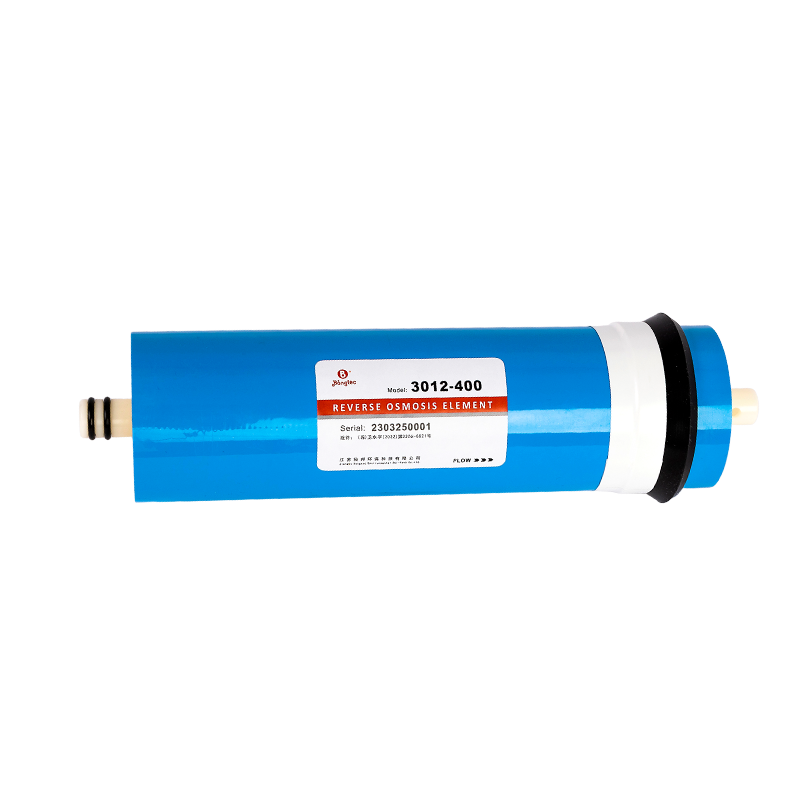
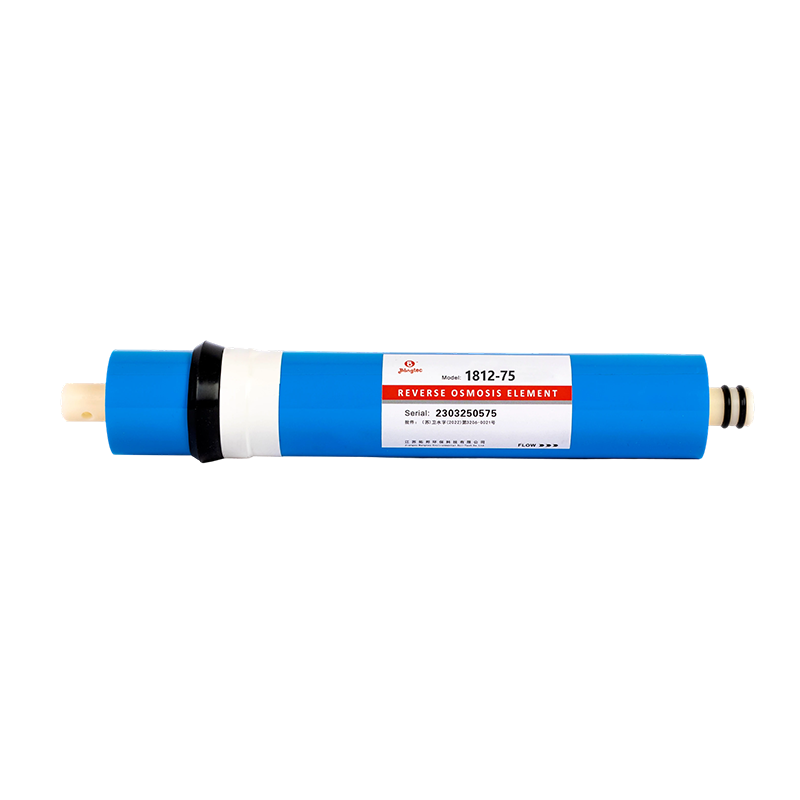
For a typical home RO system, the membrane is often a 1812 or 3013 element. Under municipal water conditions, you can expect 2–3 years of reliable service. Choosing a quality product from the start reduces the chance of early failure caused by inconsistent membrane manufacturing. Bangtec's 3013-400 element, for example, is produced on an automated line with stable rejection and flow characteristics.
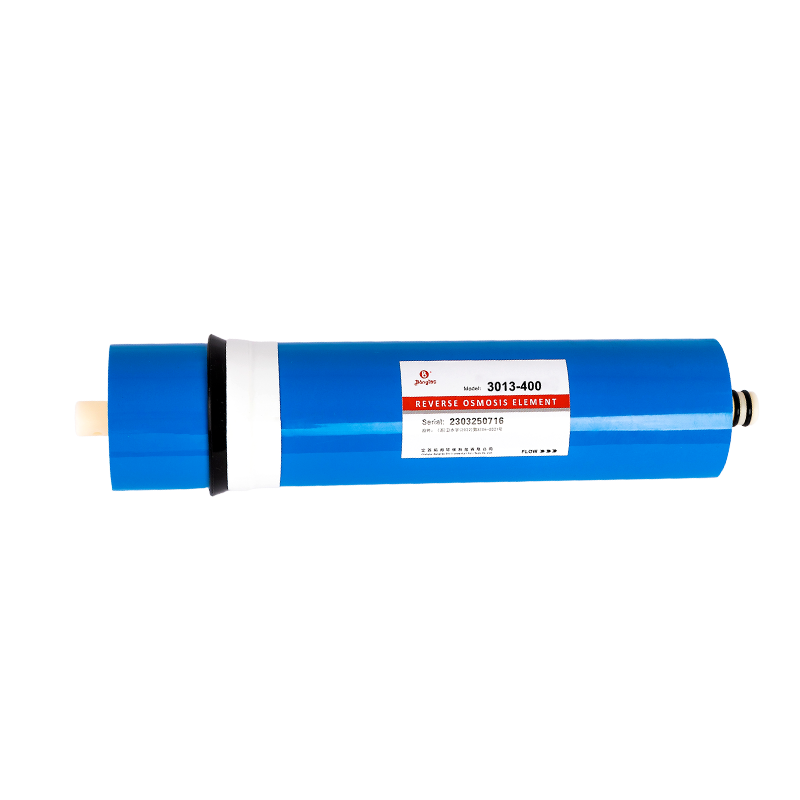 3013-400 Commercial RO Membrane Element for Reliable PurificationThis 3x13-inch reverse osmosis element is designed for commercial settings like offices, hospitals, and labs, handling brackish water up to 2000 ppm with up to 98% rejection and outputs from 150 to 800 GPD.View Product →
Commercial systems, such as those used in restaurants, vending machines, and small industrial processes, usually operate for longer daily hours. A brackish water RO membrane with more surface area, like the BW2540, can deliver 3–5 years when protected with proper prefiltration and operated within recommended parameters. Commercial elements are also more likely to be cleaned in place, which extends the interval between replacements.
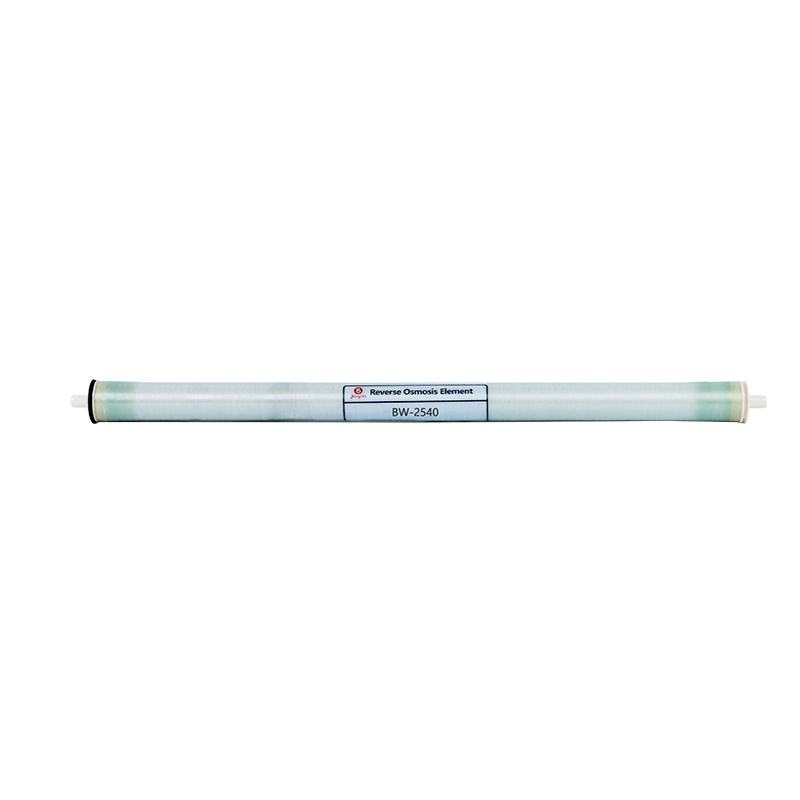 BW-2540 Brackish Water RO Membrane for Compact Commercial UseThis brackish water membrane suits systems with feed salinity under 5000 mg/L, including offices, boats, and small labs. Its larger surface area and anti-fouling design support longer service life in daily commercial operation.View Product →
Industrial plants face higher flow, tougher feed water, and more complex fouling chemistry. Fouling-resistant membranes are designed to tolerate high silt density, organic loads, and biofouling. A well-managed industrial system using a resistance element like the BW8040400FR often reaches 4–7 years, but only if the operator follows a disciplined cleaning and monitoring protocol. Bangtec's automated factory in China has the capacity to produce consistent 15 million square metres of membrane per year, which is why many industrial operators trust the brand for reliable performance.
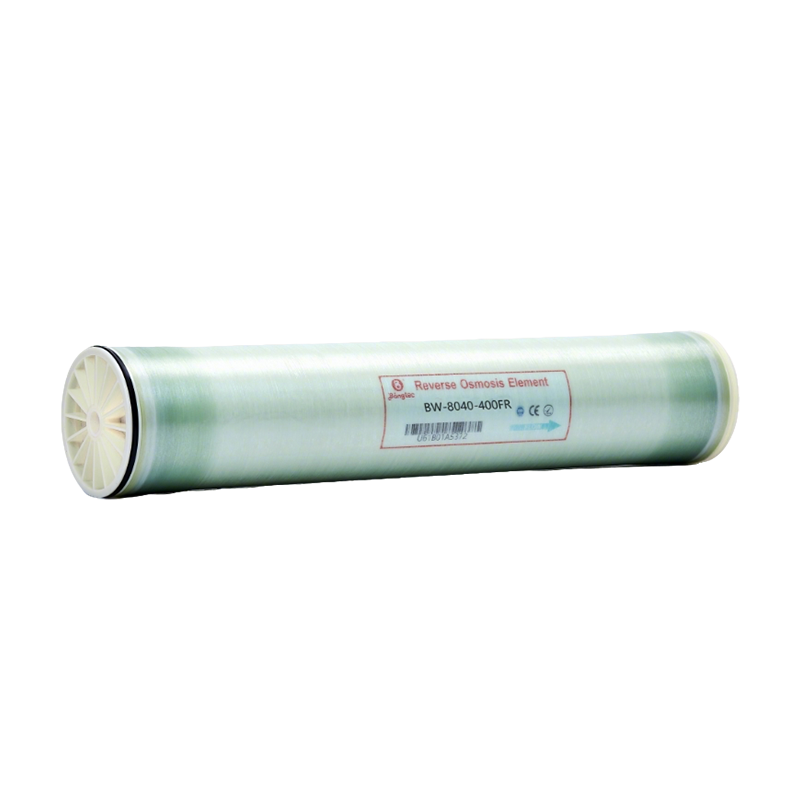 BW-8040-400FR Fouling-Resistant RO Membrane for Industrial Feed WaterThis fouling-resistant element treats complex water sources with TDS under 10,000 ppm, including surface water, wastewater, and reclaimed water. Its robust design tolerates high organic loads, supporting extended intervals between replacements in industrial systems.View Product →
In most households, the membrane should be replaced every 2–3 years. Commercial and industrial users should base the interval on normalized performance data rather than a fixed calendar, because systems under load can show signs earlier.
Chemical cleaning can restore flow and rejection in many cases, but only when the membrane is fouled rather than damaged. Oxidized or scaled membranes usually need replacement, because the polymer has deteriorated irreversibly.
Not necessarily. Stagnation can allow microbial growth and lower the pH inside the element, which actually shortens life. If the system is idle, flush it thoroughly and consider removing and storing the membrane properly.
A new membrane usually rejects 97–99% of the tested salt. If rejection drops below 90% after a cleaning, replacement is the smart choice because the removal barrier is no longer adequate.
High TDS raises osmotic pressure and the risk of scaling, especially at high recovery rates. Effective antiscalant use, lower recovery, and periodic cleaning become essential to keep the membrane working for its full expected life.
There is no single magic number for RO membrane lifespan, but 2 to 5 years is the realistic planning range for most systems. Feed water quality, pretreatment, operating discipline, and maintenance habits decide where your membrane falls within that window. Track performance data, clean when needed, and replace the element when salt rejection or flow fall outside acceptable bounds. A little preventive care will stretch the interval and keep your water quality consistent. For more industry insights, visit our industry news page. And if you need a dependable replacement membrane, consider options from Bangtec's verified product line.
Popular Products

+86-513 8659 8187
+86-189 6299 3952
No.28 Wenjing Road, Nangtong High-tech Industrial Development Zone, Jiangsu Province, China


 EN
EN  عربى
عربى