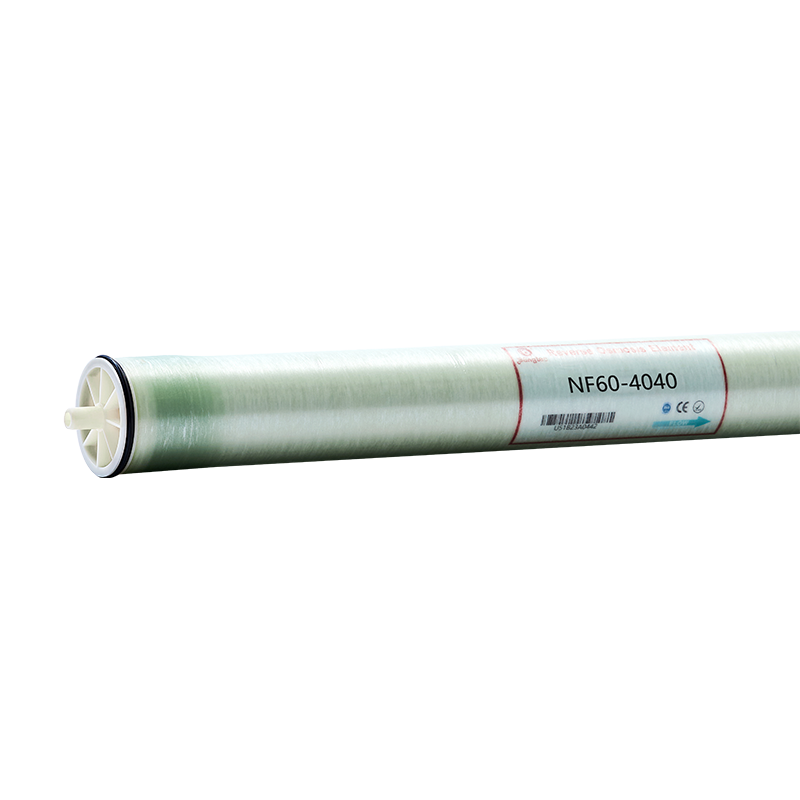
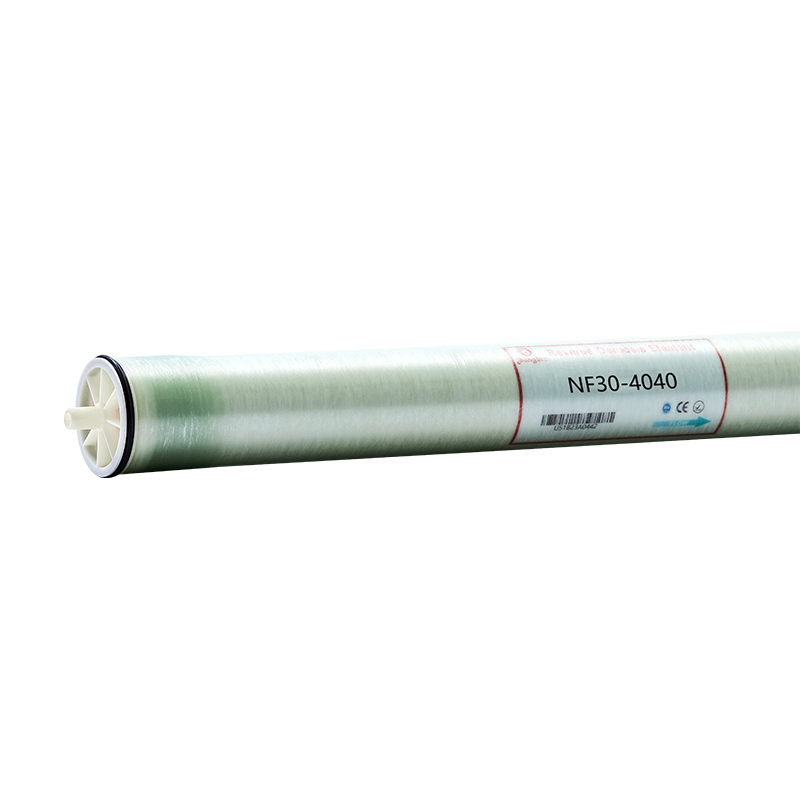
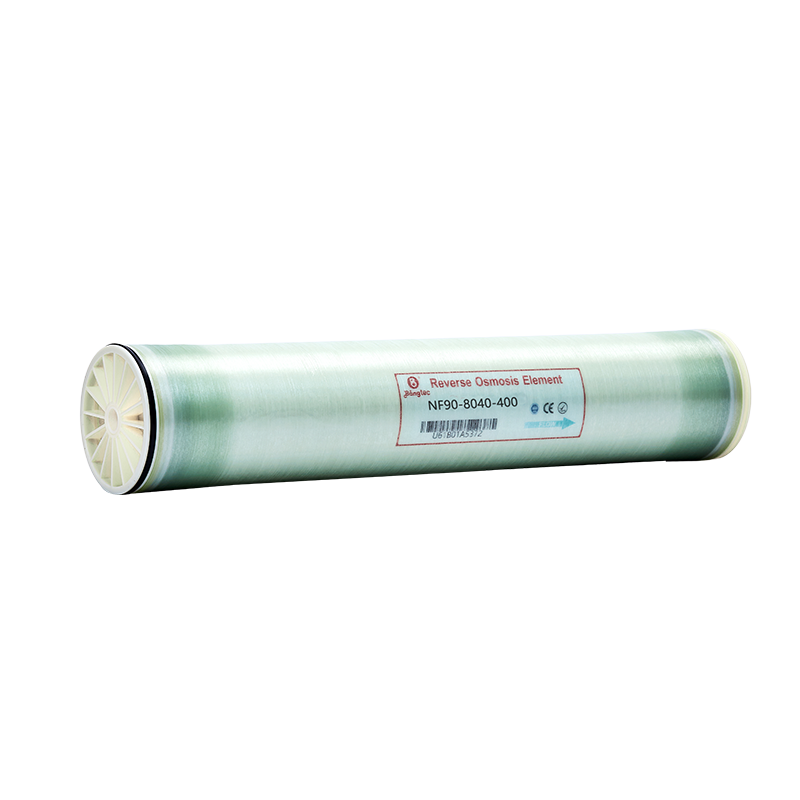
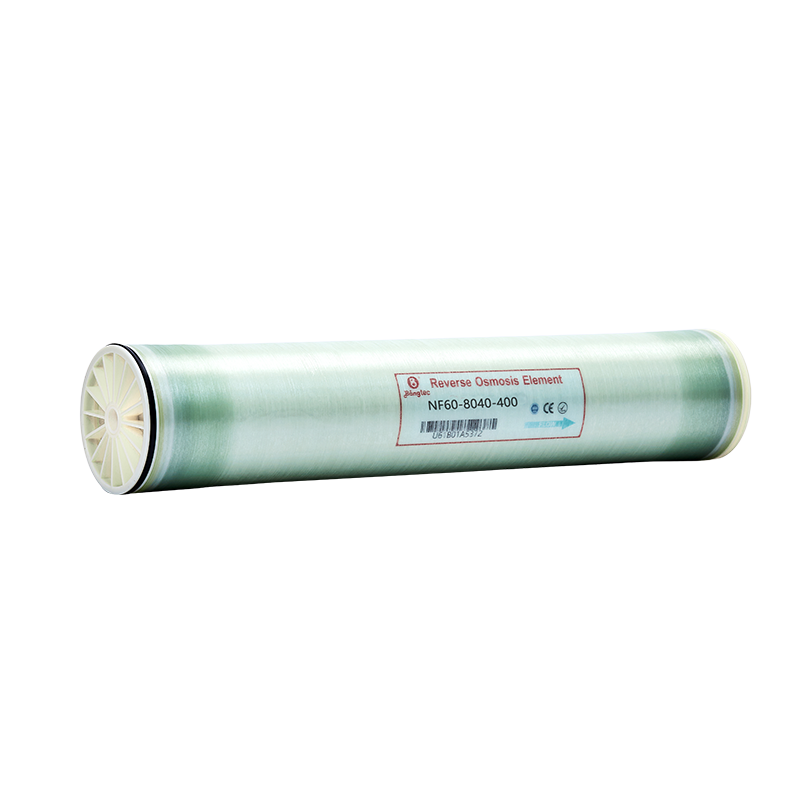
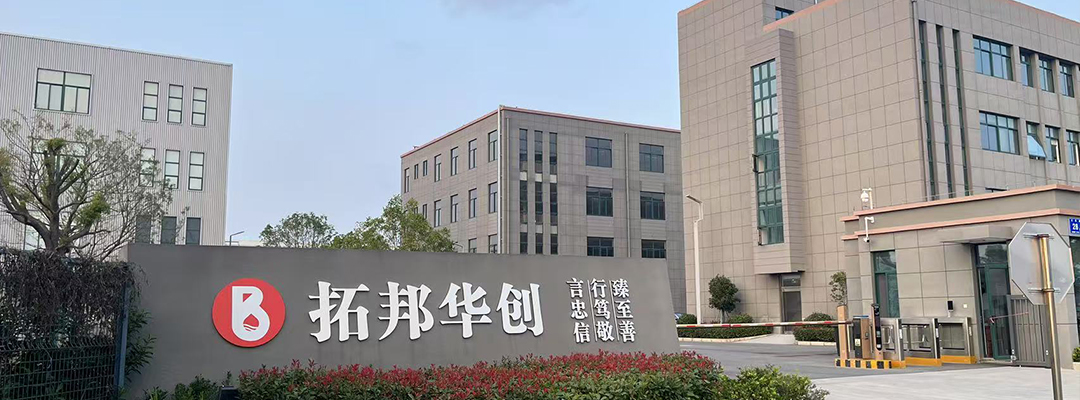
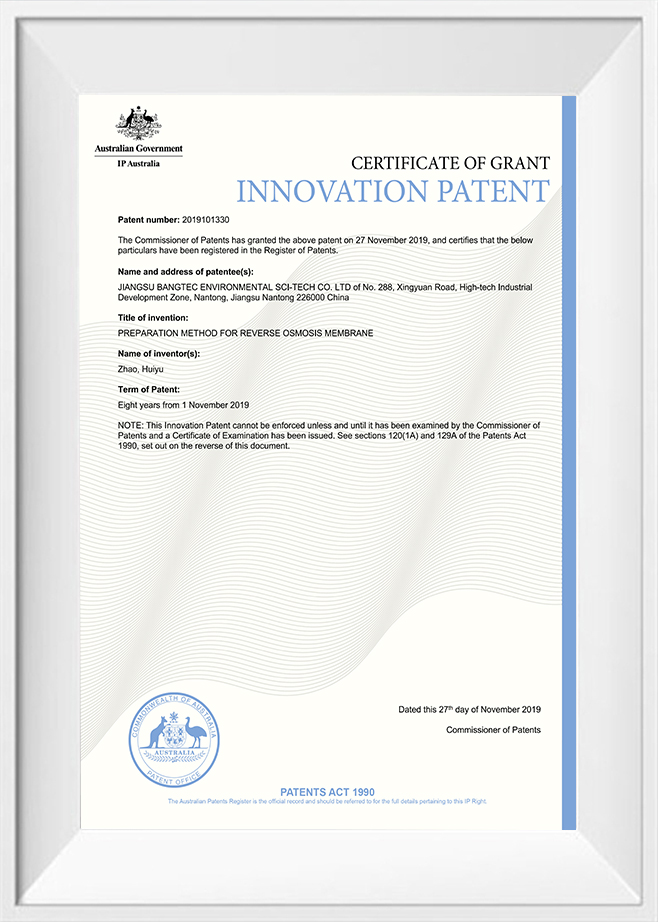
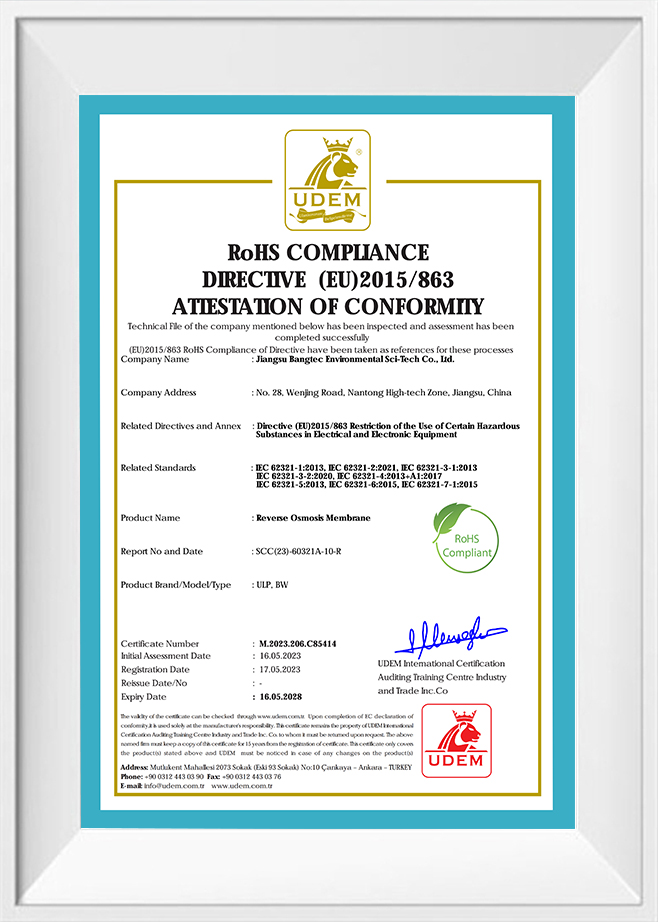
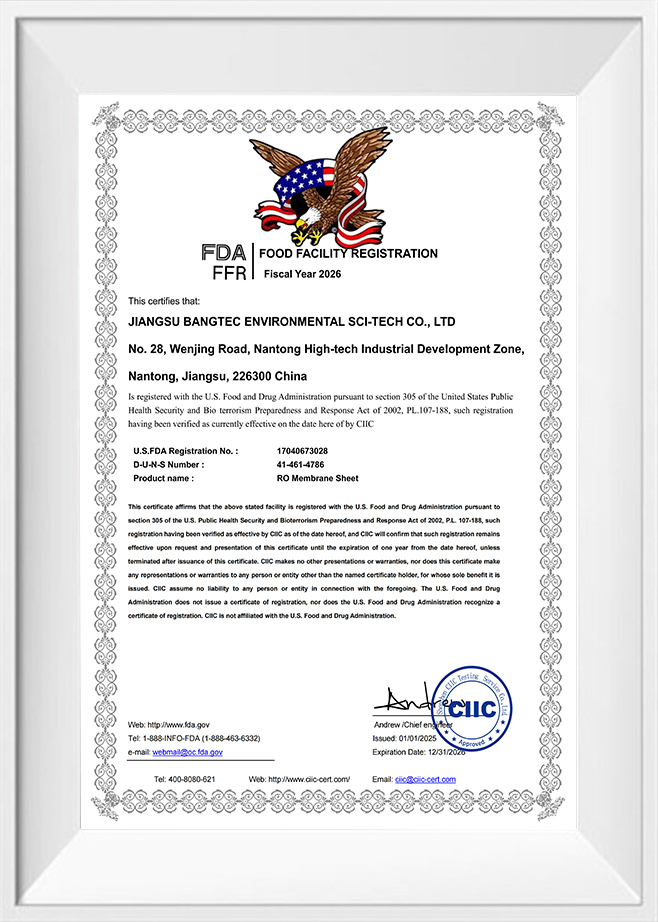
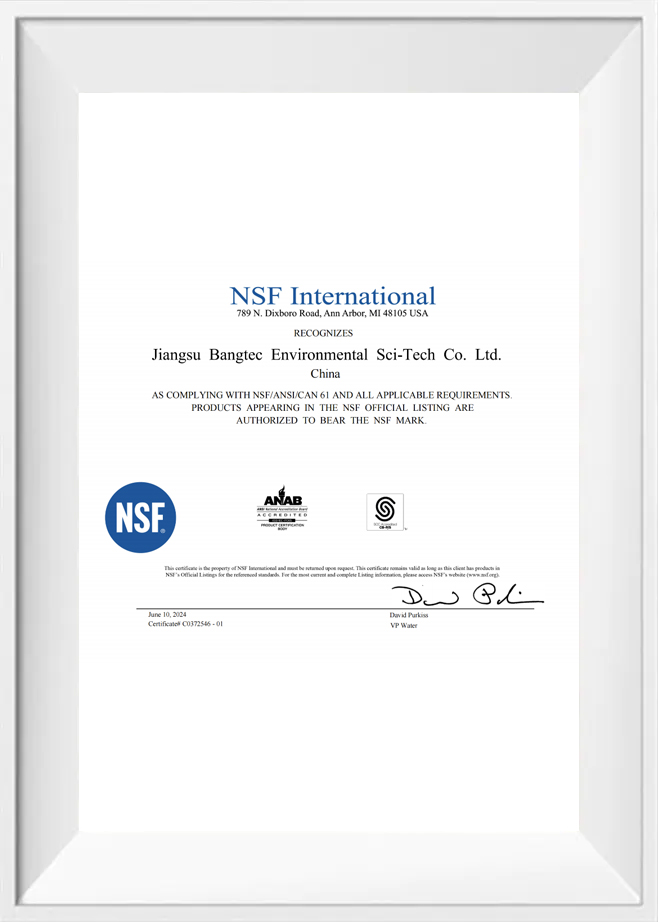
Industrial RO Membrane is the core separation element in water treatment systems, widely applied in seawater desalination, industrial wastewater reuse, ultrapure water production, and food and beverage concentration. As a China Industrial RO Membrane Manufacturer and Industrial RO Membrane Supplier, Jiangsu Bangtec Huachuang Sci-tech Co., Ltd. focuses on the industrialization of high-end nanofiltration membrane products. Its product portfolio covers high, medium, and low-pressure reverse osmosis membranes, anti-fouling reverse osmosis membranes, and special separation nanofiltration membranes. Among these, the 4040 RO Membrane and 8040 RO Membrane are the two most mainstream specifications in industrial applications.
Core Specifications and Selection of Industrial RO Membrane
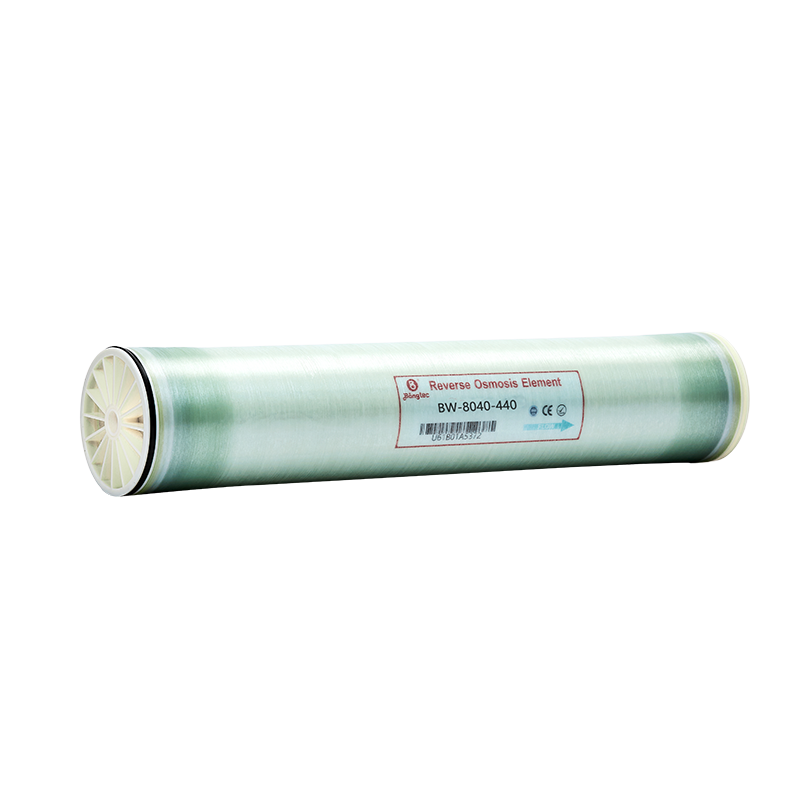
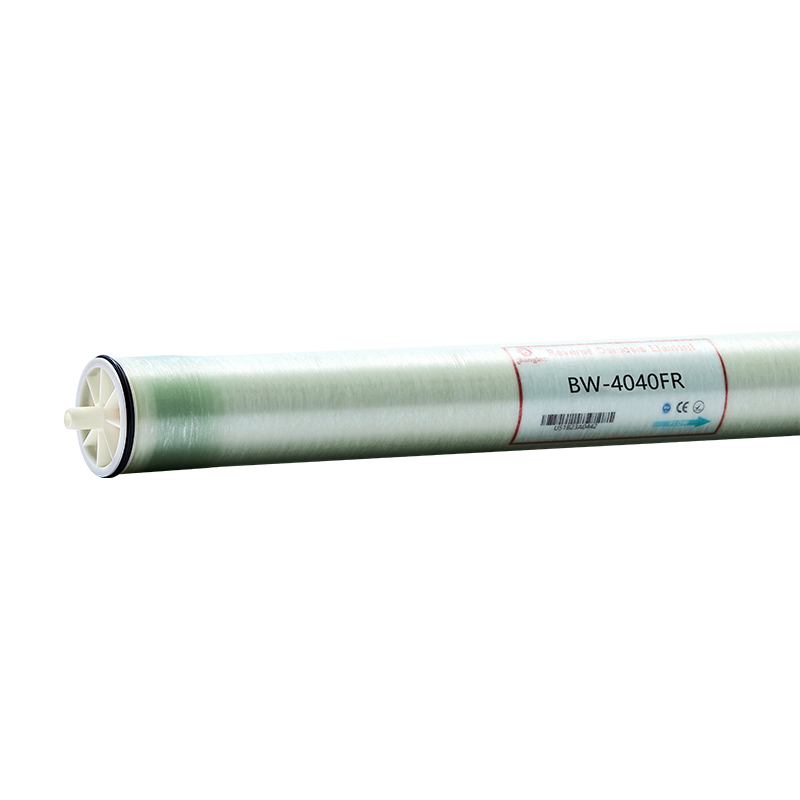
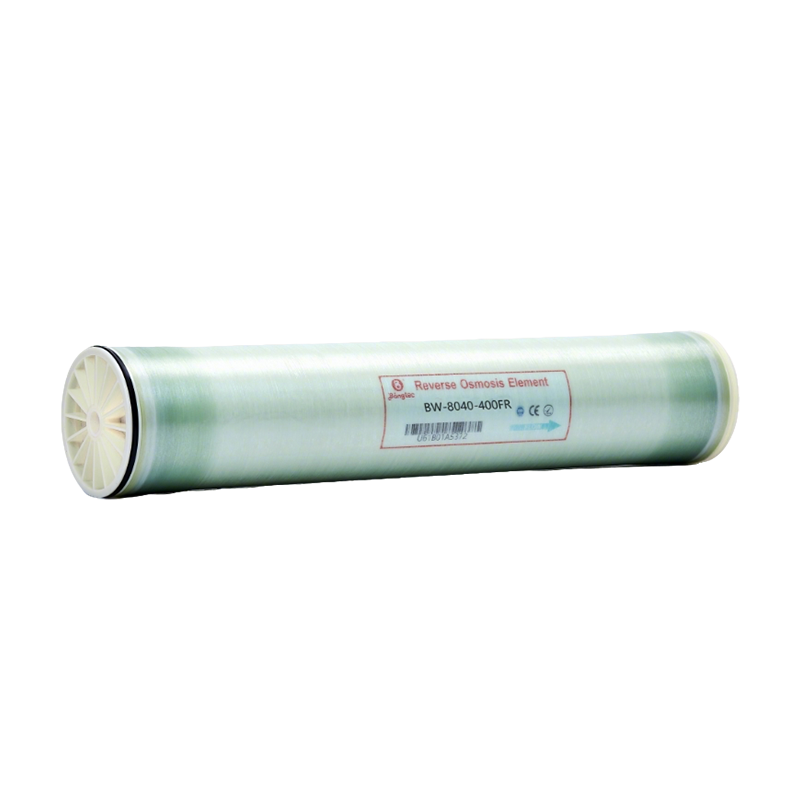
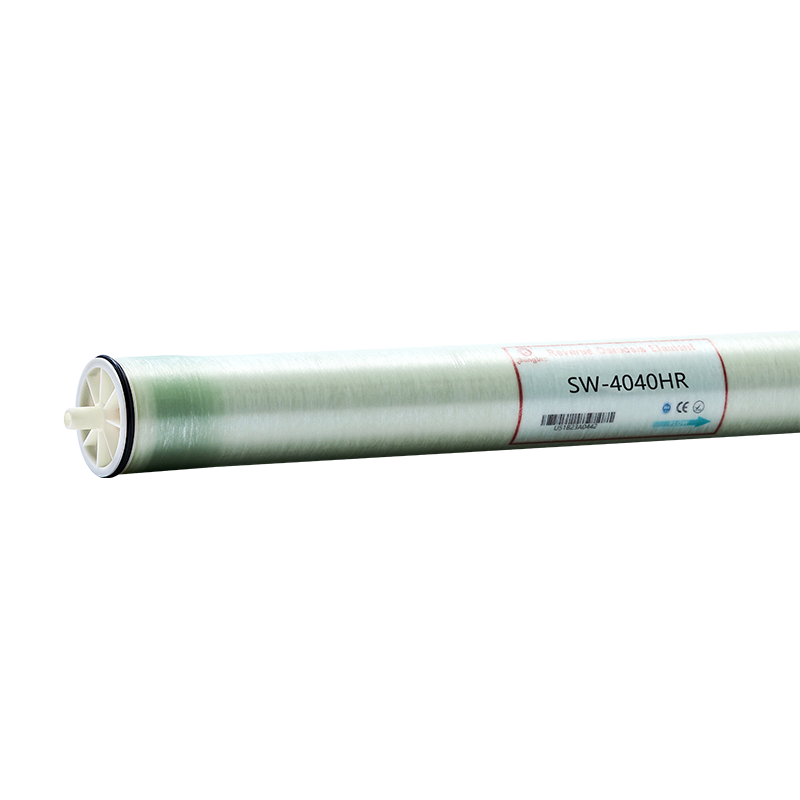
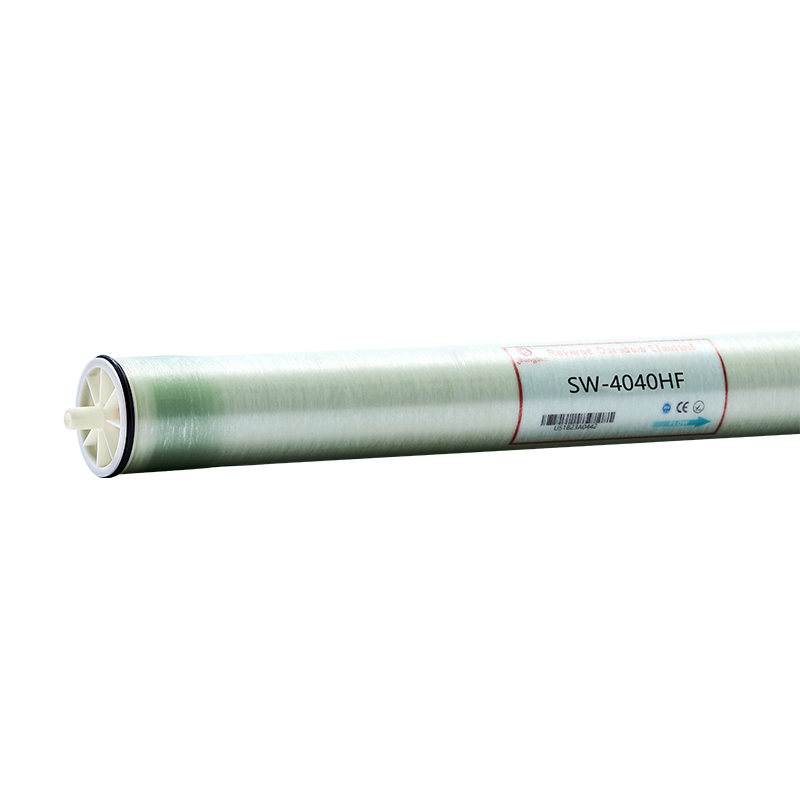
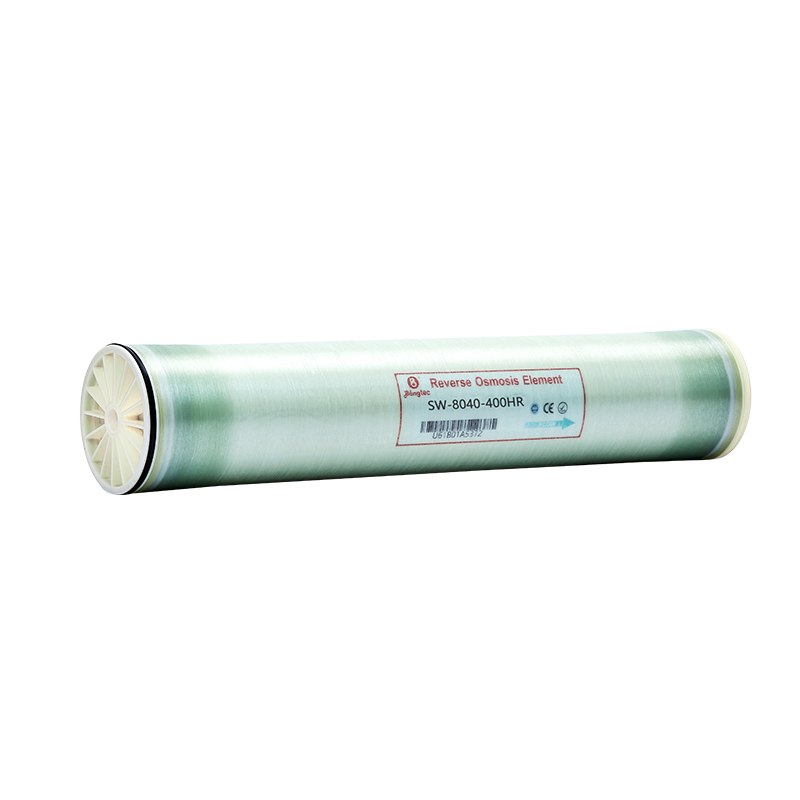
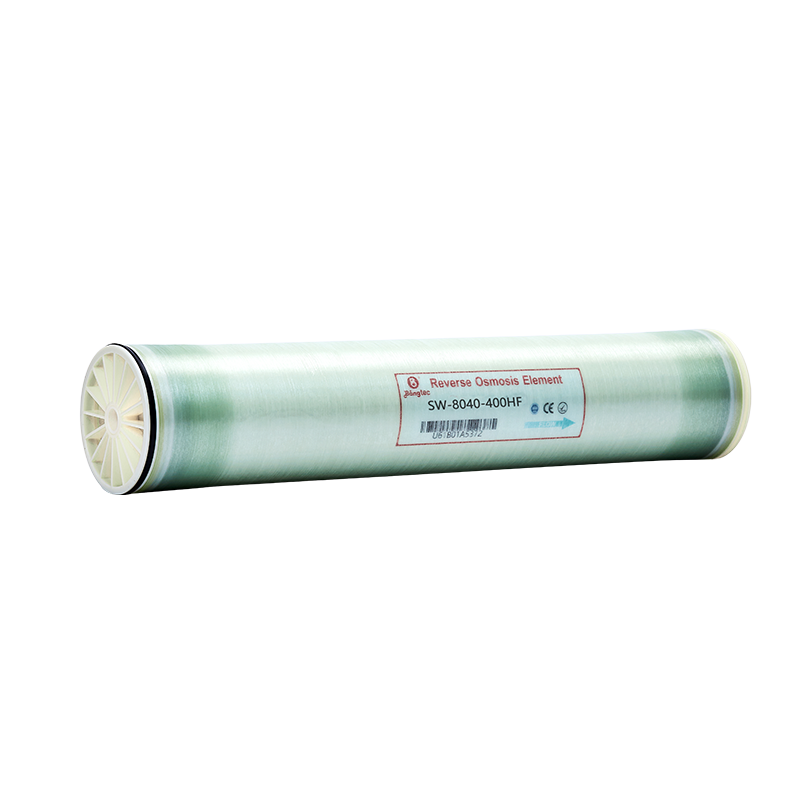
In industrial water treatment projects, the membrane element specification directly determines system output capacity and footprint. The 4040 RO Membrane (4-inch by 40-inch) and 8040 RO Membrane (8-inch by 40-inch) are currently the two most widely adopted standard sizes globally. The 4040 model offers an effective membrane area of approximately 7.9 square meters with a standard permeate flow of 1.0 to 1.5 tons per hour. The 8040 model provides an effective membrane area of approximately 37.2 square meters with a standard permeate flow of 7.5 to 9.5 tons per hour. For small and medium-sized industrial systems, the 4 x 40 RO Membrane is highly favored due to its compact installation dimensions and flexible modular design. In large municipal or chemical projects, the 8 x 40 RO Membrane delivers superior unit-area flux and significantly reduces the number of required membrane housings, thereby lowering both capital expenditure and operational costs.
| Model |
Dimensions |
Effective Area |
Standard Flow |
Typical Applications |
| 4040 RO Membrane |
4 in x 40 in |
Approx. 7.9 m2 |
1.0-1.5 T/h |
Small pure water systems, laboratory units |
| 8040 RO Membrane |
8 in x 40 in |
Approx. 37.2 m2 |
7.5-9.5 T/h |
Large industrial treatment, municipal supply |
Technical Principles and Performance Indicators
Industrial RO Membrane operates on the principle of selective permeation through a semi-permeable membrane. When external pressure exceeding the solution osmotic pressure is applied, typically ranging from 1.5 to 10.0 MPa, water molecules preferentially pass through the membrane layer while dissolved salts, organic compounds, heavy metal ions, and microorganisms are retained on the concentrate side. Modern industrial reverse osmosis membranes generally achieve salt rejection rates of 99.0% to 99.7%, with rejection of boron and silica exceeding 93%. The high-performance membrane products developed by Jiangsu Bangtec Huachuang Sci-tech Co., Ltd. have demonstrated internationally leading performance indicators in long-term field operations across sectors including photovoltaics, lithium batteries, steel, power generation, chemicals, textile dyeing, and coal chemical industries.
When selecting an Industrial RO Membrane, the following key parameters require careful evaluation:
- Salt Rejection Rate: Measures the membrane's ability to remove total dissolved solids. Premium industrial membranes should maintain stable rejection above 99.5%.
- Permeate Flow: The daily water output per membrane element under standard test conditions of 25 degrees Celsius, 2000 ppm NaCl, and 1.55 MPa.
- Operating Pressure Range: Low-pressure membranes operate at 0.8 to 1.6 MPa, while high-pressure membranes require 4.0 to 10.0 MPa, matching the feed water quality.
- Chemical Compatibility: Must tolerate common cleaning agents such as citric acid, sodium hydroxide, and sodium hypochlorite within specified pH ranges.
- Anti-Fouling Performance: Surface charge, roughness, and hydrophilic modification directly affect long-term stability in complex water matrices.
Typical Application Scenarios
Industrial RO Membrane applications have expanded from traditional seawater desalination to nearly all industrial sectors with strict water quality requirements. In the photovoltaic industry, ultrapure water production demands effluent resistivity exceeding 18 MΩ·cm, and the 8040 RO Membrane serves as the core element in secondary reverse osmosis systems, working with EDI modules to achieve this target. In the lithium battery sector, electrolyte preparation water requires calcium and magnesium ion concentrations below 0.01 ppm, and the 4040 RO Membrane is commonly used in laboratory-grade small pure water systems or as pretreatment units in large systems. In steel and power generation industries, circulating cooling water blowdown treated by 8 x 40 RO Membrane achieves reuse rates above 75%, saving approximately 2 million tons of fresh water annually for a single gigawatt-scale power plant. In textile dyeing and coal chemical fields, high-salinity high-organic wastewater is concentrated and reduced using special anti-fouling Industrial RO Membrane, decreasing subsequent evaporation and crystallization energy consumption by 30% to 40%.
| Application Sector |
Core Water Quality Requirement |
Recommended Membrane |
Typical Treatment Scale |
| Photovoltaic Ultrapure Water |
Resistivity > 18 MΩ·cm |
8040 RO Membrane |
50-200 T/h |
| Lithium Battery Electrolyte Water |
Ca2+/Mg2+ < 0.01 ppm |
4040 RO Membrane |
1-10 T/h |
| Power Plant Circulating Water Reuse |
Salinity reduction > 90% |
8040 RO Membrane |
100-500 T/h |
| Textile Dyeing Wastewater Concentration |
COD rejection > 95% |
Anti-Fouling 8040 RO Membrane |
20-100 T/h |
| Coal Chemical High-Salinity Wastewater |
TDS concentrated to 80,000 ppm |
High-Pressure 8040 RO Membrane |
50-300 T/h |
Maintenance and Lifecycle Management
The design service life of Industrial RO Membrane is typically 3 to 5 years, though actual lifespan depends on feed water quality, operating pressure, cleaning frequency, and chemical compatibility. Under standard municipal tap water or adequately pretreated surface water conditions, the permeate flow decline rate of the 8040 RO Membrane can be controlled within 5% annually. If feed water Silt Density Index exceeds 5, or residual chlorine concentration remains above 0.1 ppm for extended periods, irreversible oxidative degradation or biofouling will occur on the membrane surface, causing a sharp decline in salt rejection. Therefore, proper pretreatment including multimedia filtration, activated carbon adsorption, and softening or antiscalant dosing, combined with regular chemical cleaning in place, is essential for extending membrane life. Jiangsu Bangtec Huachuang Sci-tech Co., Ltd. recommends that users develop customized cleaning protocols based on actual water quality and select cleaning agents compatible with the membrane material to avoid chemical damage.
FAQ
How to choose between 4040 RO Membrane and 8040 RO Membrane?
The 4040 model suits small and medium systems with output of 1 to 5 T/h, offering flexible installation and lower capital investment. The 8040 model is designed for large systems above 10 T/h, delivering lower unit water energy consumption and reducing membrane housing quantity by approximately 75%, making it more economical for long-term operation.
What salt rejection rate can Industrial RO Membrane typically achieve?
Standard industrial reverse osmosis membranes typically achieve salt rejection rates of 99.0% to 99.7%. Rejection of sodium chloride is highest, while rejection of boron and silica ranges from 93% to 96%.
How often does Industrial RO Membrane need replacement?
Under proper pretreatment and regular maintenance, membrane elements typically last 3 to 5 years. With poor feed water quality or inadequate cleaning, service life may shorten to 1 to 2 years.
How to determine when Industrial RO Membrane requires cleaning?
When permeate flow declines by 10% to 15%, transmembrane pressure differential increases by 15% to 20%, or salt rejection drops by more than 1%, a chemical cleaning in place procedure should be initiated.
What is the technical level of China Industrial RO Membrane manufacturers?
Represented by Jiangsu Bangtec Huachuang Sci-tech Co., Ltd., domestic manufacturers have achieved internationally leading performance in core indicators including salt rejection, permeate flow, and anti-fouling capability. Their products are widely deployed in high-end industrial sectors such as photovoltaics, lithium batteries, and steel production.


 EN
EN  عربى
عربى