
Content
No RO membrane lasts forever, and the first sign of trouble is usually a set of numbers that drift from the day-one baseline. After two or three years of normal service, a brackish water element typically shows one of three warnings: normalized permeate flow that has fallen 15 to 20 percent below the rated value, salt rejection that has slipped under the 95 to 97 percent range, or a pressure differential across the vessel that keeps climbing no matter how often the system is backwashed. When any one of those signals appears, membrane replacement is not a maintenance option: it is the cheapest repair available, because every day of delay costs extra electricity, extra feed water, and higher dissolved solids in everything downstream of the element.
This guide answers the three questions that decide the outcome of a replacement job: when the element is truly spent, how to swap it without damaging the new one, and which replacement element actually fits the system duty. The principles apply across small 1812 point-of-use cartridges, 2.5-inch commercial elements, and 4-inch or 8-inch industrial pressure vessels.
Replace the element when the data, not the calendar, says so. Membrane life varies widely with feed chemistry, so operators that rely on a fixed schedule either replace too early or run a degraded element too long. The four indicators below are the standard triggers used in plant operations.
| Indicator | Healthy Baseline | Replace When | What It Points To |
|---|---|---|---|
| Normalized permeate flow | 100% of rated output | Falls below 80–85% of rating | Fouling or scaling that cleaning cannot recover |
| Salt rejection | 98–99% or higher for brackish water elements | Drops below 95%, or permeate TDS doubles | Membrane hydrolysis or mechanical damage |
| Pressure differential per vessel | 15–25 psi for a standard 8-inch vessel | Exceeds 35–40 psi | Severe colloidal or biological fouling |
| Permeate conductivity | Stable within plus or minus 10% | Steady climb over several weeks | O-ring seal failure or element leakage |
Salt passage is the most reliable early warning. The chart below shows a typical 36-month decline in normalized permeate flow for a brackish water element running on properly pretreated feed; the dashed line marks the usual replacement threshold.
Feed chemistry sets the upper limit of membrane life; element quality determines where the actual life falls inside that range. On clean municipal water, a standard polyamide thin-film composite element usually delivers three to five years of service. Treated surface water cuts that to two to three years, and a challenging feed with a high silt density index, iron, or biological activity can reduce life to one or two years.
The usual reasons for premature failure are well documented. Free chlorine above roughly 0.1 ppm oxidizes the polyamide layer quickly and permanently. Feed pH outside the 2–11 operating range attacks both the membrane surface and the element adhesives. A silt density index above 5, or turbidity above 1 NTU, accelerates colloidal fouling. Recovery set above the manufacturer's recommendation drives calcium carbonate and sulfate scaling, and long idle periods without proper preservation invite biological attack. Remove these causes and the element will almost always reach the expected replacement interval.
For a single 2.5-inch or 4-inch housing, the actual swap takes 30 to 60 minutes. The most common damage happens not during extraction but during insertion, when a new element is forced into a dirty housing or pushed in with an incorrectly seated brine seal. The steps below work for most small and medium elements; 8-inch industrial vessels follow the same logic with a few extra safety checks.
The cheapest element is rarely the cheapest replacement. Three specifications have to match: the element dimensions, the flow and pressure class, and the salt rejection rating appropriate for the feed water. Fitting a low-pressure domestic element into an industrial brackish loop raises salt passage immediately, while fitting a seawater element into a low-pressure system wastes flow and energy.
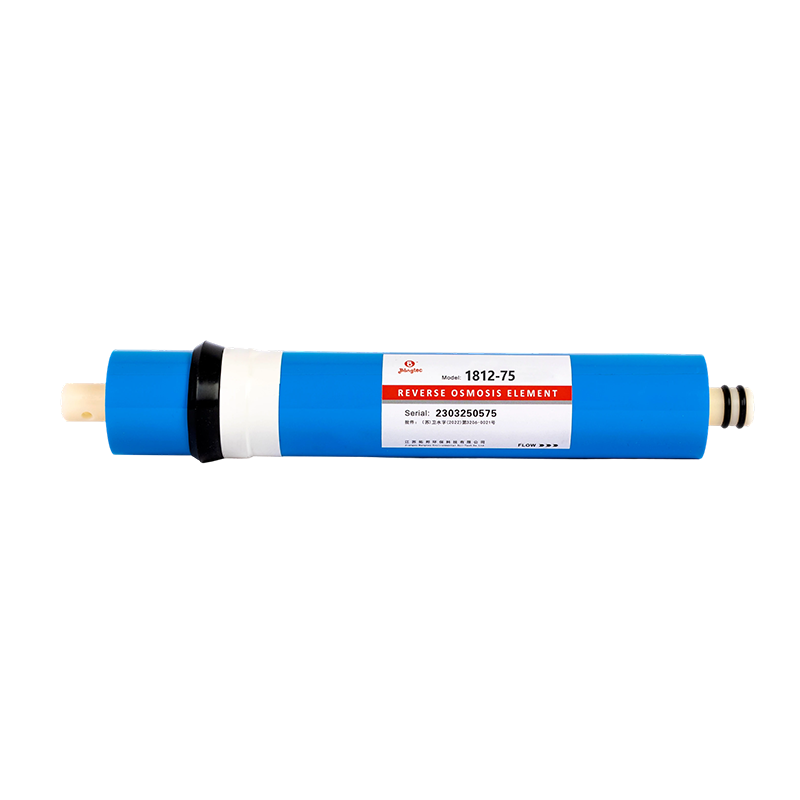
For a point-of-use system due for routine service, a 100 GPD RO1812 replacement membrane restores original flow and rejection without changing brackets or tubing. For a commercial coffee bar, water dispenser, or vending machine, a BW2540 commercial brackish water membrane fits standard 2.5-inch housings and holds salt rejection above 98 percent at modest pressure. In an industrial skid, the BW8040400 eight-inch brackish water element remains the workhorse for capacities between a few hundred and several thousand liters per hour.
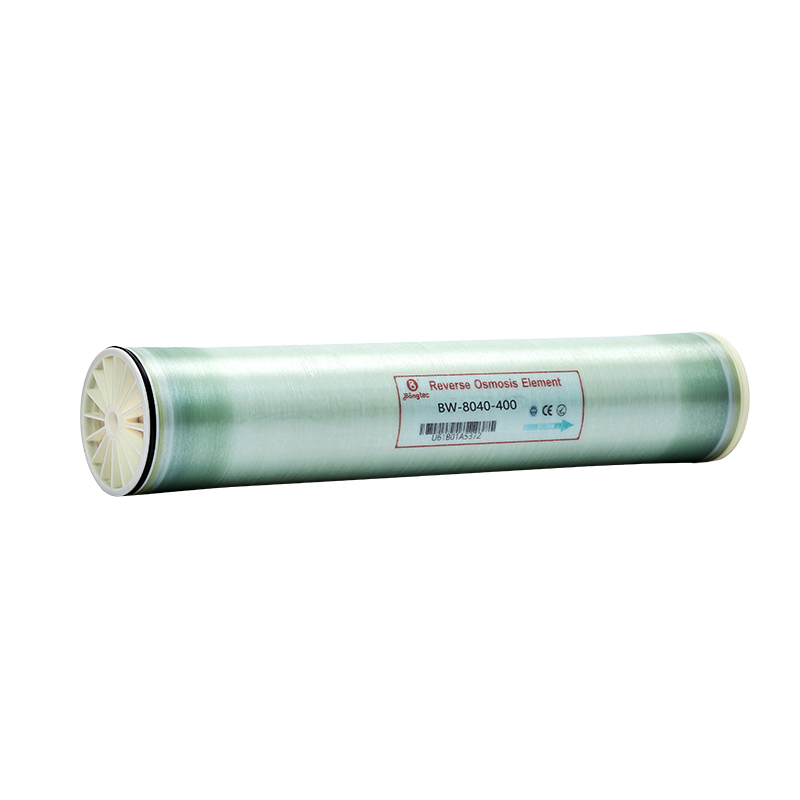 Brackish Water RO Membrane Elements BW-8040-400 Manufacturer, FactoryJiangsu Bangtec Huachuang Sci-tech Co., Ltd is China brackish water ro membrane elements bw-8040-400 manufacturer and exporter factory, W...View Product →
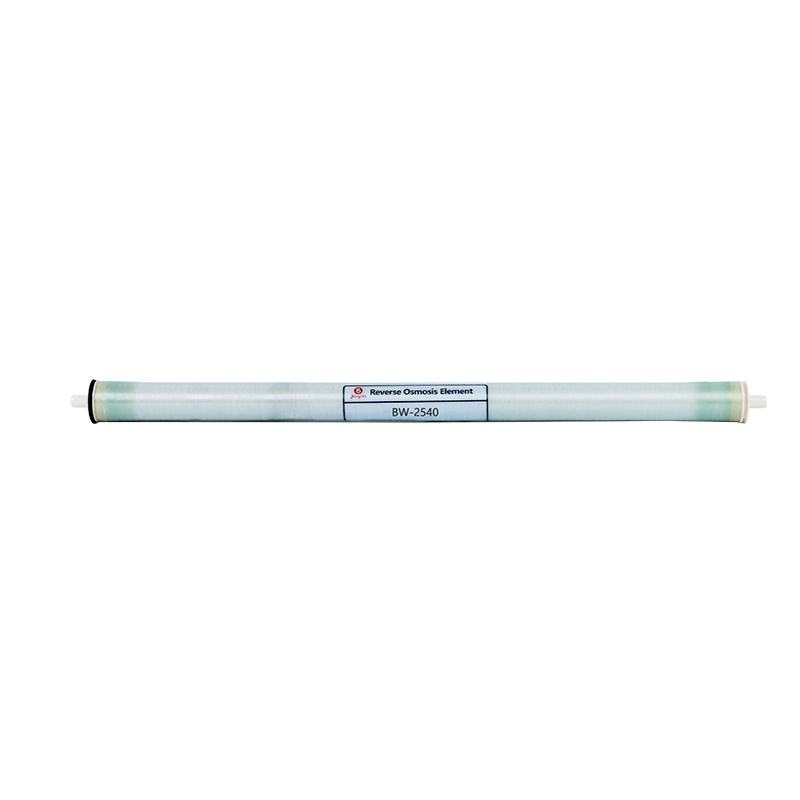 Wholesale Brackish Water Ro Membrane Elements BW-2540 Manufacturers, Exporter FaJiangsu Bangtec Huachuang Sci-tech Co., Ltd is China wholesale Brackish Water Ro Membrane Elements BW-2540 manufacturer and exporter fact...View Product →
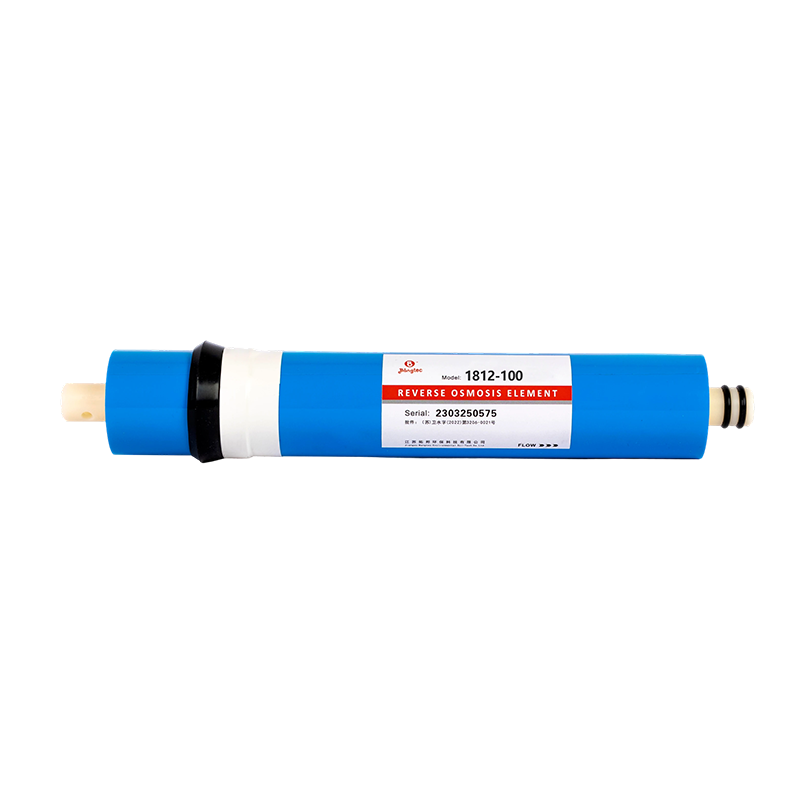 Wholesale Reverse Osmosis Membrane Elements RO-1812-100 Manufacturers, Exporter Jiangsu Bangtec Huachuang Sci-tech Co., Ltd is China wholesale Reverse Osmosis Membrane Elements RO-1812-100 manufacturer and exporter fa...View Product →
Operators who buy from a vertically integrated manufacturer gain one practical advantage: the same production lines that cast the raw membrane sheet also wind the finished elements, so quality stays consistent from batch to batch. Bangtec's automated membrane production facility turns out more than 15 million square meters of membrane per year, and its research team, built around experience from GE and the Chinese Academy of Sciences, holds more than fifty patents in membrane science. For smaller systems, the domestic RO membrane selection guide explains how flow, rejection, and element length interact in point-of-use applications.
Most replacement failures show up within the first two weeks. They are rarely caused by the membrane itself; they are almost always installation errors. The five below account for the majority of cases.
Data is the cheapest insurance a membrane owner can buy. Log permeate flow, feed pressure, and product TDS weekly, and compare every reading against the baseline taken after the first 24 hours. Clean the system when normalized flow drops 10 to 15 percent below that baseline instead of waiting for the next scheduled service window. Before any planned shutdown lasting more than a few days, preserve the element according to the manufacturer's storage guidelines. That one habit prevents biological growth, keeps the replacement from becoming a re-replacement, and pushes the element closer to its full design life. When the numbers eventually drift again, you will have the record needed to decide whether cleaning, preservation, or a new membrane replacement is the right call.
Popular Products

+86-513 8659 8187
+86-189 6299 3952
No.28 Wenjing Road, Nangtong High-tech Industrial Development Zone, Jiangsu Province, China


 EN
EN  عربى
عربى