Content
A nanofiltration membrane is a pressure-driven separation membrane that sits between ultrafiltration and reverse osmosis, with a molecular weight cutoff of roughly 200 to 1000 Daltons. It blocks most divalent and multivalent ions, organic molecules, and microorganisms while letting monovalent salts and water pass through at comparatively low operating pressure. Because of this selective behavior, a nanofiltration membrane is the tool of choice whenever a process needs softening, decolorization, or targeted ion removal rather than full desalination.
The rest of this guide breaks down how a nanofiltration membrane element works, how it compares with reverse osmosis and ultrafiltration, what the common product classes look like, and how to pick and maintain one for industrial, municipal, or residential duty.
The spread in that last figure is the whole story of NF membrane selection: a domestic NF membrane for a drinking fountain runs near 0.3 MPa, while a high pressure NF membrane concentrating industrial brine can push past 6 MPa. Matching the grade to the duty is what separates a membrane that lasts five years from one that fails in five months.
Two mechanisms work together inside every nanofiltration membrane element. The first is straightforward size exclusion: the active polyamide layer is dense enough to physically stop organic molecules, viruses, and bacteria larger than the cutoff. The second is the Donnan effect, an electrostatic phenomenon where the membrane surface carries a slight negative charge at neutral pH. That charge repels multivalent anions and, indirectly, drags along their paired cations, which is why a nanofiltration membrane rejects calcium and magnesium sulfate far more effectively than it rejects plain sodium chloride.
This combination explains why a municipal system running a nanofiltration membrane can drop outlet hardness sharply while still passing a portion of the original sodium and potassium content, preserving the taste and mineral profile that a full reverse osmosis system would otherwise strip out.
Choosing among these three technologies comes down to how much you need to remove and how much pressure and energy you can spend removing it.
Most catalogs group NF membrane elements by the sodium chloride passage they allow, since that figure tells an engineer instantly how much mineral content will remain in the permeate.
All three grades typically hold divalent MgSO4 rejection at 97% or higher, which is what makes the sodium chloride figure the real differentiator between them.
| Category | Pressure Range | Typical Duty |
| Industrial NF Membrane | 4.0-8.0MPa | Zero-discharge wastewater, brine concentration, lithium recovery |
| Municipal Administration NF Membrane | 0.5-1.5MPa | Water softening, organic and TOC removal |
| Water Purifier NF Membrane | 0.2-0.5MPa | Direct drinking fountains, household purifiers |
| Acid or Alkali Resistance NF Membrane | 1.0-4.0MPa | Chemical, printing and dyeing, coal chemical wastewater |
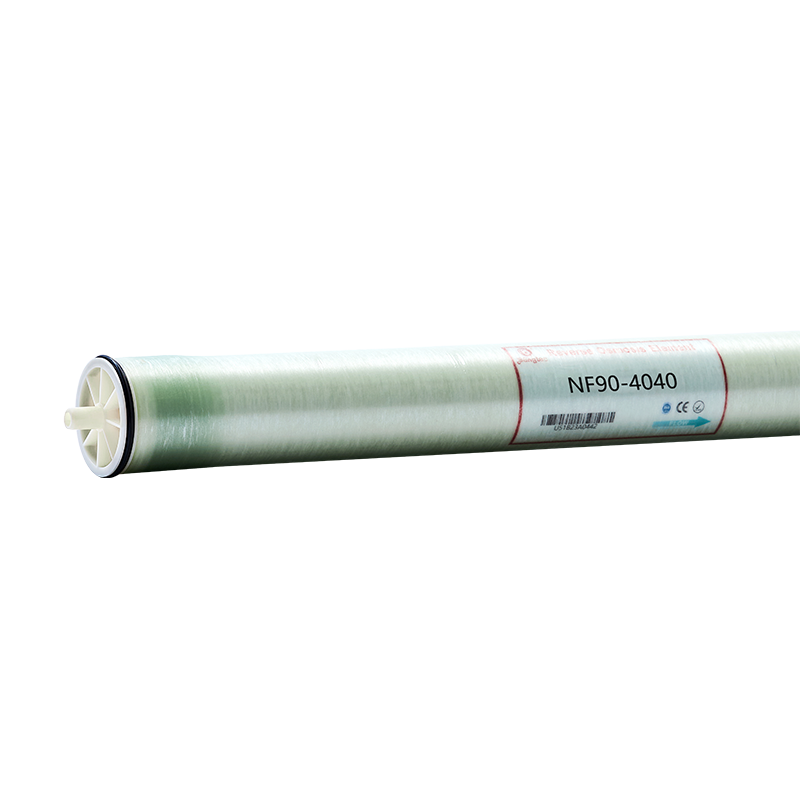
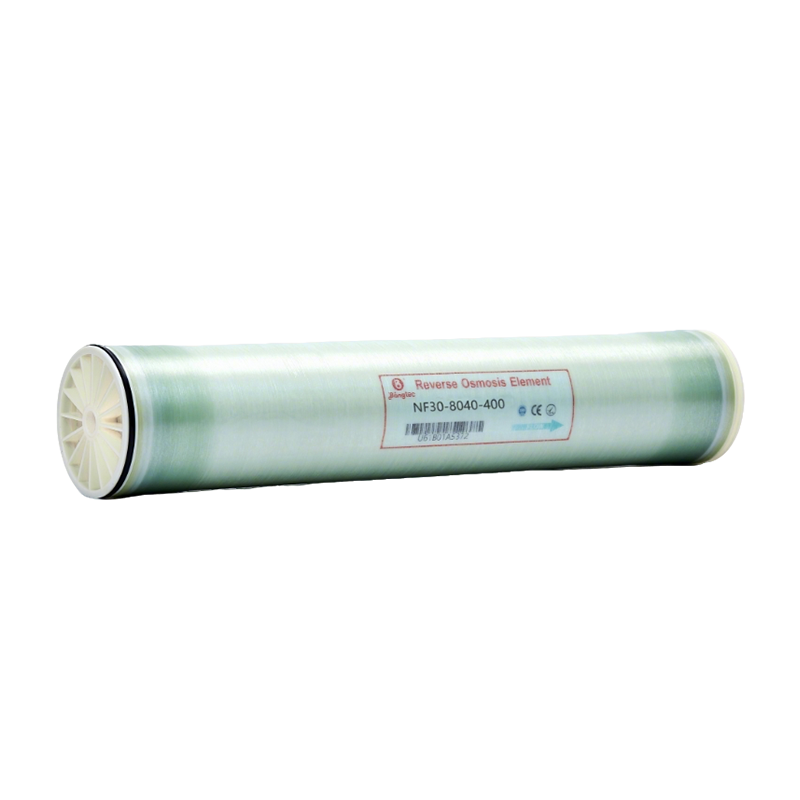
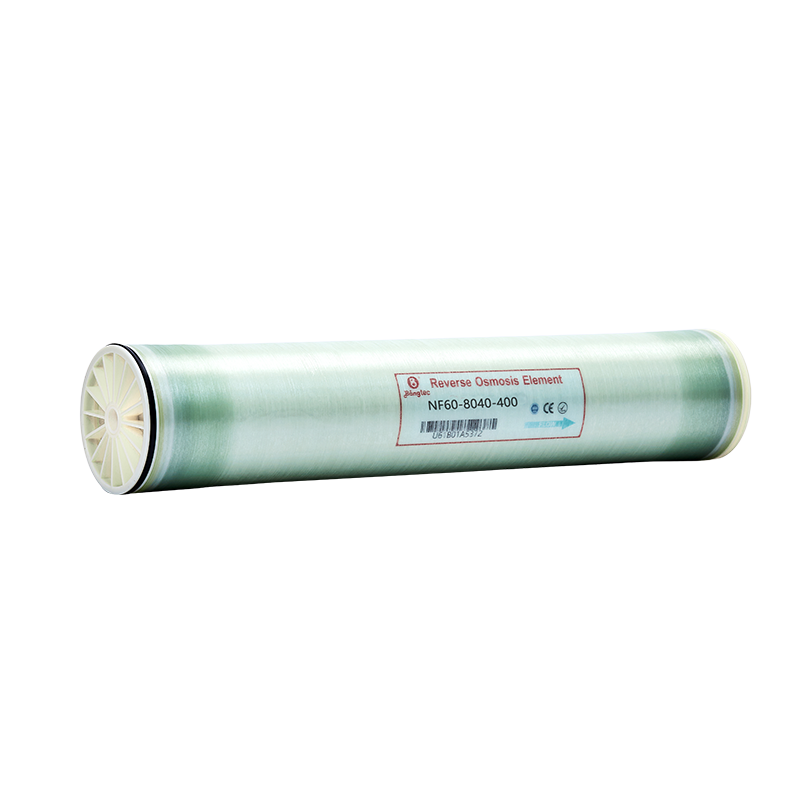
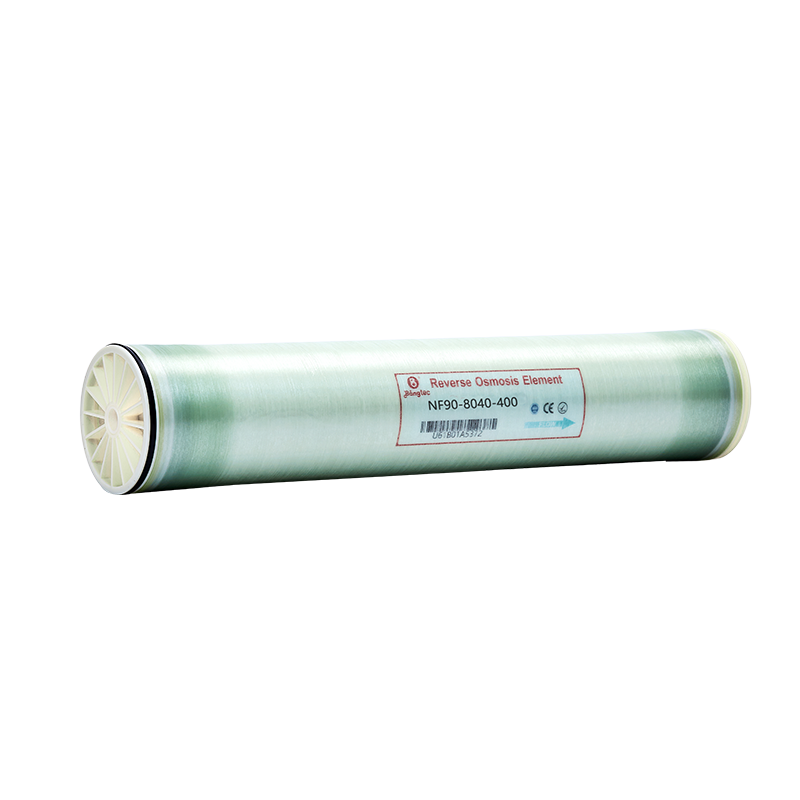
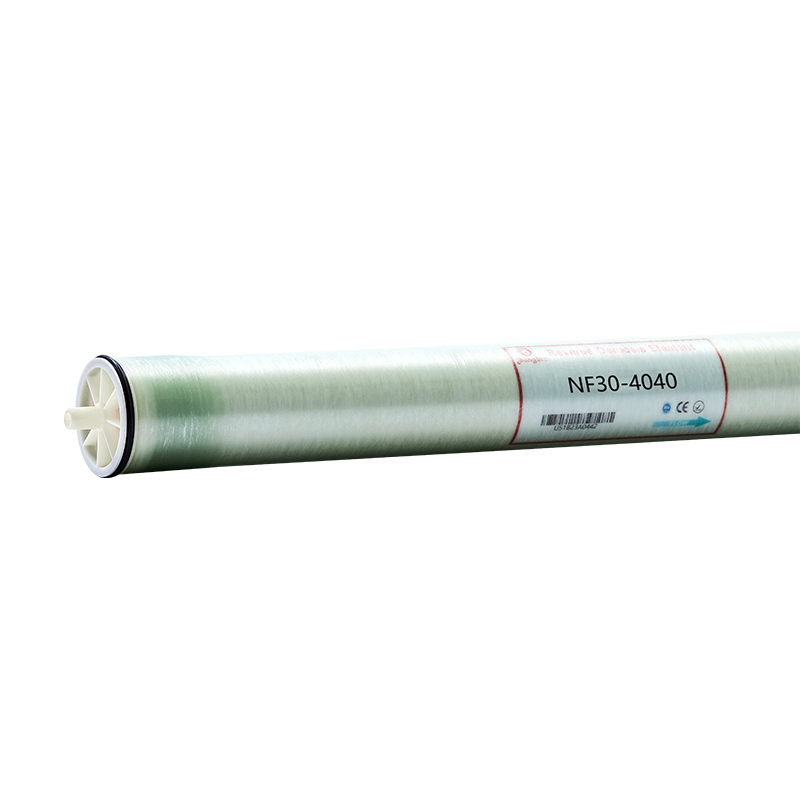
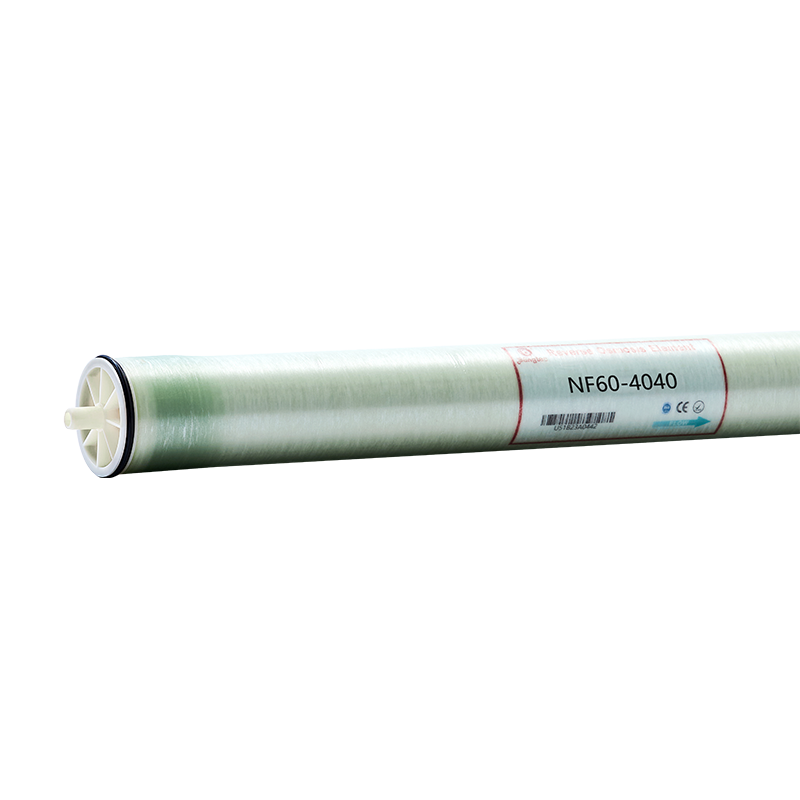
The table above sorts by pressure class; the elements themselves are sized for standard 4040 and 8040 housings and are graded by salt passage so an engineer can match rejection to the target water quality without over-spending on pressure.
Two figures matter more than any spec sheet number when judging a nanofiltration membrane in the field: how fast permeate flux declines under continuous operation, and how well the membrane tolerates the chemical extremes of the process stream it treats.
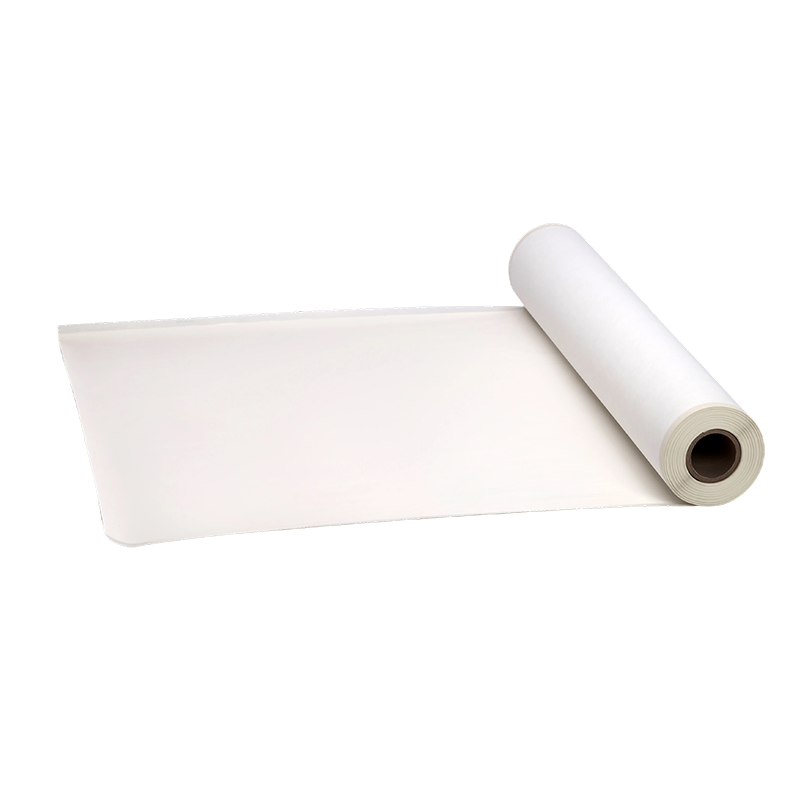
Nearly every commercial nanofiltration membrane uses a thin-film composite structure, and the quality of each layer determines how the finished element performs in the field.
Surface zeta potential on a well-made active layer typically sits between minus 15 and minus 25 millivolts at neutral pH, which is the electrical signature behind reliable anti-fouling behavior and consistent divalent ion rejection over the membrane's service life.
This split is an illustrative pattern based on common deployment across the sectors listed above, not a certified market statistic, and it shifts with regional water quality and regulation.
A nanofiltration membrane has a molecular weight cutoff around 200 to 1000 Daltons and rejects divalent ions strongly while letting a portion of monovalent salt through, typically at 0.3 to 8 MPa. A reverse osmosis membrane rejects nearly everything and needs higher pressure, often 1.5 to 10 MPa, making it the better fit for full desalination rather than selective softening.
Under proper pretreatment and cleaning discipline, an industrial-grade element commonly runs 3 to 5 years, and well-maintained high pressure NF membrane models can exceed 7 years. Feed water SDI, residual chlorine exposure, and cleaning frequency are the three biggest factors that shorten or extend that window.
Yes. Divalent heavy metal ions such as lead, cadmium, and chromium are commonly rejected above 95 percent by a nanofiltration membrane, while beneficial minerals like calcium and magnesium are only partially retained, which is why NF is popular for residential purifiers that need to clean water without stripping it completely.
Inorganic scaling, organic fouling, and biofouling are the three leading causes, often compounded by concentration polarization at the membrane surface. Controlling recovery rate, improving pretreatment, and keeping a disciplined cleaning schedule are the standard ways to hold annual flux decline under 5 percent.
Replacement is the right call once standardized permeate output falls more than 20 percent, pressure differential climbs more than 25 percent, salt rejection drops more than 10 percent, or a chemical cleaning cycle fails to restore performance. High-precision uses such as pharmaceutical separation warrant tighter monitoring than these general thresholds.
Popular Products

+86-513 8659 8187
+86-189 6299 3952
No.28 Wenjing Road, Nangtong High-tech Industrial Development Zone, Jiangsu Province, China


 EN
EN  عربى
عربى